

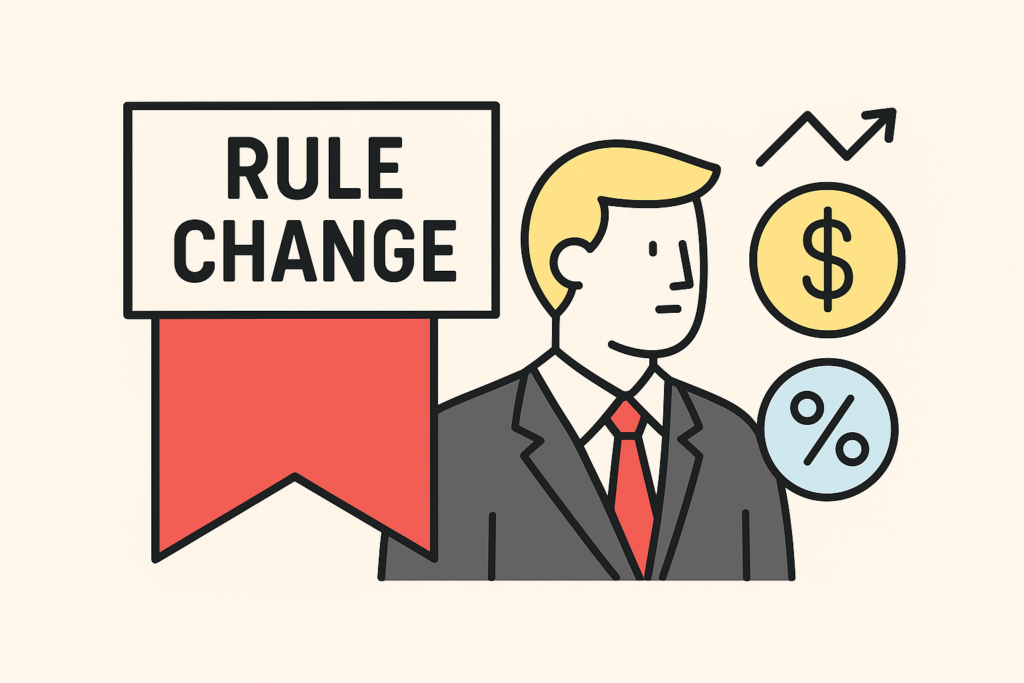
Episode 13 : 게임의 룰이 바뀌었다.
IMF시대를 겪으며 우리의 자본환경은 대폭 변경되었습니다. 폐쇄적이던 금융환경과 시장환경이 내부의 필요가 아닌 외부의 힘에 의해 대폭 개방되었고, 그에 따라 시장의 시스템도 선진국 시스템으로 체질 개선을 해야 했습니다.
시장의 시스템 변화에 필연적으로 수반된 것이 바로 저금리입니다. 두 자릿수의 금리가 한 자릿수로 떨어졌다는 것은 시장의 활력이 대폭 저하되었다는 이야기이고, 더 이상은 고도의 성장이 불가능하다는 이야기입니다.
이 전에 우리는 그저 많이 벌고 많이 모으는 데 집중했지만 이제는 어떻게 위험을 피할 것인가에 대해서도 신경을 써야 하는 상황이 되었습니다.
이는 시장과 사회의 대폭적인 체질개선을 요구하는 일이기 때문에 작금의 우리가 느끼는 현실은 매우 혼란스럽고 고통스러운 것입니다.
고금리 시절에는 은행에 예금을 하든 증권사에 투자를 하든 별 차이가 없었지만 저금리가 정착된 지금은 은행에 몰리던 예금이 투자시장으로 나가야 하는 상황에 직면하여 돈의 속성을 모르는 사람들을 혼란스럽게 합니다.
게다가 고령화 사회로 접어들고 인구마저 줄어들며 부동산 시장에까지 문제가 발생할 조짐이 보입니다. 우리나라 사람들의 자산구조 중 제일 큰 비중을 차지하는 부동산 시장의 버블 붕괴는 다시 한 번 재앙을 불러 올 수 있는 수준이 될 지도 모릅니다.
금리와 수익 그리고 위험에 대해 둔감하면 이제 돈을 모을 수도 지킬 수도 없는 세상이 된 것입니다.
주식이라면 투기를 떠올리는 사람들이 투자를 해야 하고, 대출을 부끄러운 것이라고 생각하는 사람들이 적정한 대출을 활용해야 하고, 부동산을 믿던 사람들이 금융시장으로 가야 하는 완전히 다른 패러다임의 세계가 도래한 것입니다.
우리가 알고 있던 게임의 규칙은 완전히 바뀌었습니다.
IMF 이전의 대한민국과 이후의 대한민국은 완전히 다른 게임의 룰을 적용하고 있음에도 불구하고, 우리는 그런 사실조차 모른다는 데 문제가 있지요.
이 게임은 이겨도 그만, 져도 그만인 국지전이 아니라 죽느냐 사느냐의 존망이 걸린 전쟁입니다. 백 번을 싸워도 위태롭지 않기 위해 우리는 적과 나에 대해 명확히 알아야 합니다. 최소한 이기지는 못하더라도 절대 지지 않을 싸움을 해야만 합니다. 돈과의 게임은 이제 나의 생존이 걸린 전쟁이기 때문입니다.

—————
Episode 13 : Rule Change in the Financial Game
During the IMF era, the domestic capital environment underwent a drastic transformation. A previously closed financial and market structure was abruptly opened under external pressure rather than internal demand, requiring the market to reshape itself according to advanced-economy standards.
A key change accompanying this systemic shift was the advent of the low-interest era. When double-digit interest rates collapse into single digits, it signifies a significant loss of market dynamism and the end of an era of high-velocity growth.
In the past, the focus rested solely on earning more and saving more, but now the question of how to mitigate risk has become just as important.
Because such changes demand a sweeping structural overhaul of both the market and society, the reality we face today feels confusing and painful.
In the high-interest era, there was little difference between depositing funds in a bank or investing through a securities firm. But in today’s entrenched low-interest structure, deposits that once flowed into banks must now move into investment markets, unsettling those who do not understand the nature of money.
At the same time, an aging society, a shrinking population, and emerging stress signals in the real estate market present additional risks. A burst in the real-estate bubble—which accounts for the largest portion of household assets—could once again create catastrophic consequences.
In an environment where sensitivity to interest rates, returns, and risk determines survival, one can no longer accumulate or protect wealth without understanding these factors.
Those who associate equities with speculation must now invest; those who consider borrowing shameful must learn to utilize appropriate leverage; those who relied solely on real estate must move into financial markets. A fundamentally different paradigm has arrived.
The rules of the game we once knew no longer apply. The Korean economy before and after the IMF crisis operates under entirely different rule sets, yet many remain unaware of this fact.
And this is not a local skirmish where winning or losing is optional. It is a battle for survival. To avoid peril even after a hundred clashes, we must understand both our opponent and ourselves. Even if victory is uncertain, we must at least fight the kind of battle that guarantees we do not lose. The game of money is now a war in which individual survival is at stake.