

Episode 36: 골치 아프니 전문가에게 맡긴다고?
시장의 전문가라고 해서 투자도 잘 할까요? 투자는 스스로의 책임으로 하는 것이라고 하지요. 책임에는 권리도 따르기 마련입니다. 책임을 남에게 지운다면 권리도 찾을 수 없겠지요.
알아서 투자해 주세요.
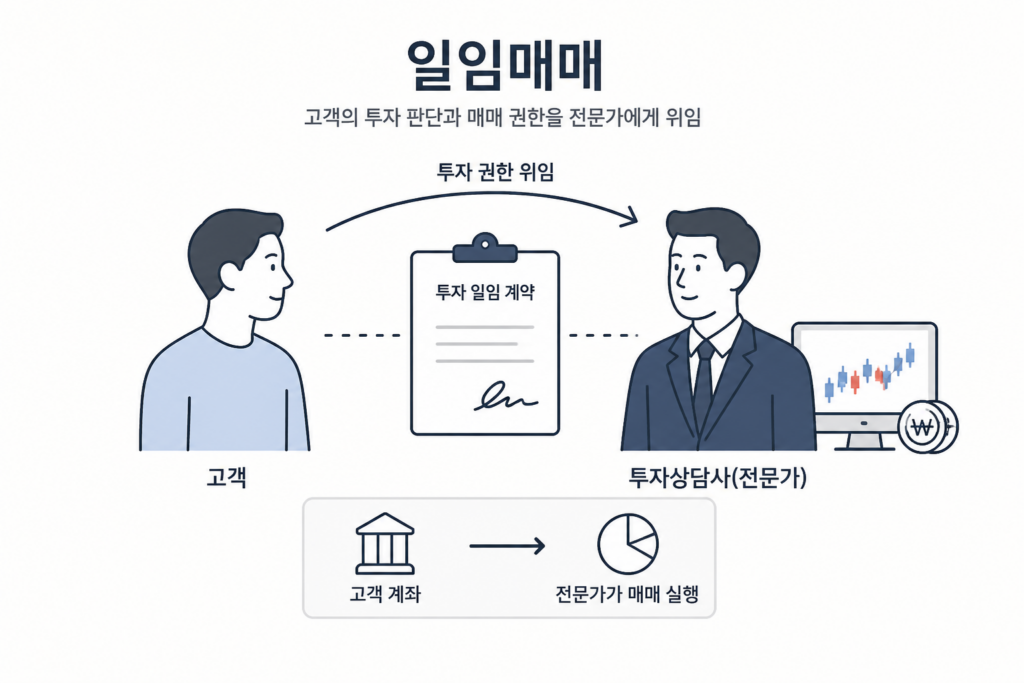
일임매매라는 것이 있습니다.
골치 아프게 공부하기도 싫고 투자하는 데 신경쓰기 싫은 사람이 돈을 증권사 계좌에 넣어 두고 투자상담사에게 거래를 일임하는 행위입니다. 투자상담사는 고객의 인감과 각종 거래에 필요한 서류들을 모두 가지고 사고 팔고를 대행해줍니다. (물론 돈을 인출할 수 있는 것은 아니겠지요.)
고객입장에서는 어렵고 귀찮은 투자를 전문가가 알아서 해 준다니 편하다고 생각하겠지만 과연 이것이 합법적인 투자일까요? 물론 불법입니다.
장이 좋아서 꾸준히 수익이 발생한다면 고객은 기분 좋게 일임을 계속하겠지만, 장이 안 좋아서 손해가 발생하면 난리가 납니다. 왜 이런 거래를 했느냐는 등 내 돈 물어내라는 등 고발하겠다는 등
그럼에도 불구하고 이런 거래행태가 음성적으로 계속되는 이유는 일하기가 편리하기 때문입니다.
그러나 투자상담사는 고객의 수익률도 내 주어야 하지만 회사의 수입도 만들어 주어야 합니다. 가끔은 거래수수료를 늘리기 위해 고객의 돈으로 불필요한 사고팔고를 계속할 지도 모릅니다.
그러니 투자에 대한 책임은 반드시 스스로 져야 합니다.
전문가의 조언은 참고일 뿐이며 잘 모른다면 공부하셔야 한다는 말씀이지요.
이런 불법화된 일임매매를 합법화하기 위해 만들어 진 것이 바로 Wrap Account입니다. Wrap Account는 전문가가 알아서 자산을 관리해 주는 계좌를 말하지요. 물론 이에 대한 계약을 하셔야 하고, 보수도 조금 더 주셔야 하지만 편하게 관리한다는 장점이 있습니다.

* 보험에 대한 오해와 편견
보험회사는 이익을 목적으로 하지 않는 상조회라고 했습니다.
그런데 보험회사와 거래해서 좋은 결과를 얻었다는 사람이 많지 않습니다. 왜냐하면 그 동안 보험회사가 보여 준 행태가 없는 사람들 등치는 것처럼 보였기 때문입니다. 심지어는 보험을 사회악이라고 지칭하는 분들도 있습니다.
그런데 한 가지는 분명히 밝혀두어야 하겠습니다.
실제로 금융업의 한 축으로 보험이 담당하고 있는 부분은 매우 중요한 부분임에도 불구하고 어렵다는 것이 보험의 훌륭한 활용은커녕 손해만 봤다고 느끼게 하는 것입니다.
보험사를 거래하는 대부분의 고객들이 보험이 무엇인지 잘 모를 만큼 보험상품은 이해하기 어렵습니다. 덩달아 보험사들은 그런 고객의 약점을 아주 잘 이용해 덩치를 불려왔던 것이지요.
보험이란 상품은 실제로 이기적인 사람들이 사는 곳에서는 절대 발생할 수 없는 금융상품입니다. 왜냐하면 서로간의 부조를 위해서 만들어진 상품이기 때문입니다. 하지만 상품의 구조가 복잡하고 일반적으로 알고 있는 상식과는 전혀 다른 개념의 금융상품이어서 이해하기 곤란하다는 것이 문제인 것입니다. 보험에 대한 일반적인 편견은 매우 뿌리 깊고 다양한 오해에서 출발하므로 정확한 개념의 정립을 위해 조금 긴 이야기를 써야 하겠습니다. (계속)
————–
Episode 36: Do You Hand It Over to Experts Because It’s Too Complicated?
Does being a market expert necessarily mean being good at investing? Investment is said to be something one must undertake under one’s own responsibility. Responsibility is inherently accompanied by rights. If responsibility is assigned to others, one cannot claim those rights.
“Please manage the investment for me.”
There exists something called discretionary trading.
It refers to the act of an individual—who dislikes studying complex financial matters or paying attention to investments—depositing money into a securities account and entrusting all trading authority to an investment advisor. The advisor holds the client’s seal and all necessary documentation to execute buy and sell transactions on their behalf (though, of course, they cannot withdraw the funds).
From the client’s perspective, it may seem convenient to have an expert handle the difficult and tedious aspects of investing. However, is this a lawful form of investment? In fact, it is illegal.
If the market performs well and generates steady returns, the client may be satisfied and continue the discretionary arrangement. However, if the market declines and losses occur, disputes inevitably arise—questions about why certain trades were made, demands for compensation, or even threats of legal action.
Despite this, such practices persist informally because they offer operational convenience.
However, investment advisors are responsible not only for generating returns for clients but also for contributing to their firm’s revenue. At times, they may engage in excessive or unnecessary trading using the client’s funds to increase transaction fees.
Therefore, responsibility for investment decisions must ultimately rest with the individual.
Expert advice should serve only as a reference, and if one lacks sufficient knowledge, one must study and understand the subject.
To legalize such discretionary practices, the Wrap Account was introduced. A Wrap Account is a type of account in which professionals manage assets on behalf of the client under a formal contract. While it requires higher fees, it offers the advantage of convenient asset management.
- Misconceptions and Biases About Insurance
Insurance companies are often described as mutual aid organizations that do not pursue profit.
However, there are not many people who claim to have had positive outcomes from dealings with insurance companies. This is largely because the historical conduct of insurers has often appeared exploitative, especially toward less informed customers. Some even label insurance as a social ill.
Nonetheless, one point must be clearly stated.
Despite being a crucial pillar of the financial industry, insurance is often perceived negatively because of its complexity, leading many to feel they have only incurred losses rather than benefited from it.
Most customers engaging with insurance companies have limited understanding of what insurance actually entails, as insurance products are inherently difficult to comprehend. Insurance companies have, in many cases, capitalized on this lack of understanding to expand their business.
In essence, insurance is a financial product that could not exist in a purely self-interested society. It is fundamentally designed for mutual aid among individuals. However, its structural complexity and divergence from common financial intuition make it difficult to grasp.
The widespread misconceptions about insurance stem from deeply rooted and varied misunderstandings, and establishing a clear conceptual understanding requires a more extensive explanation. (To be continued)