

중소기업의 CEO들은 마치 앞만 보고 달리는 경주마처럼 매출 증대를 위해 질주해왔다. 그러다 어느 순간 같은 방식으론 더 이상 성장이 안된다는 것을 느끼게 된다. 그리고 뒤늦게 전문가의 의견을 구하게 되는데, 사실 아무리 컨설팅을 받아도 쉽게 변하진 않는다. 그 이유는 여전히 오너 중심적 사고에서 벗어나지 못하기 때문이다.
나는 경마장에 한번도 가본 적이 없지만, TV를 통해 봤던 말들은 모두 눈 옆에 가림막이 있다. 원래 초식동물들은 뒤에서 공격하는 포식자들의 공격을 막기 위해, 어느 정도 뒤쪽도 볼 수 있도록 눈이 옆에 생기게 진화했는데, 그걸 막아버린 것이다. 그렇다면 앞만 보고 달릴 수밖에 없다. 그리고 잘되면 1등으로 골인하겠지만, 잘못되면 고꾸라지고 넘어져서 죽임을 당할 수도 있다.
기업도 마찬가지다. 앞만 보고 달렸던 회사는 많이 성장할 수도 있었지만, 더 이상 질주할 수 없는 지경에 왔을지도 모른다. 내가 컨설팅 했던 한 회사도 10 여년간 앞만 보고 질주했다가 더 이상 달릴 수 없을 거 같아서 내게 도움을 요청했었다. 하지만 막상 그 회사에 들어가 보니, 나의 의견은 필요가 없어졌다.
앞만 보고 달렸던 말은 눈 가리개를 제거하고 주변을 살펴볼 수 있는 시야를 가지게 해줬는데도 불구하고, 여전히 앞만 보고 달리는 것만 할 수밖에 없었다. 그래서 나의 자문을 듣고도 변화를 습관적으로 거부하는 CEO를 난 2개월만에 떠날 수밖에 없었다. 원래 경마용 말은 기수에 따라 달라질 수 있겠지만, 쉽게 새로운 기수에 길들여 지지 못하는 것과 같은 이치라 생각한다. 난 중소기업 자수성가형 CEO들이 대부분 그렇다고 생각한다.
기업의 성장과 발전에 있어 “전략적 시야의 중요성”은 말 그대로 생존과 직결되는 요소다. 경주마처럼 오직 전방만을 바라보고 질주하는 것은, 한편으로는 집중력과 속도를 극대화하는 전략이 될 수 있지만, 이는 동시에 주변 환경의 변화나 숨겨진 위험을 간과하게 만드는 리스크를 내포하고 있다. 자수성가형 CEO들은 창업 초기의 전력질주로 높은 성장이라는 성과를 가져왔지만, 여전히 그 모습 그대로 시장의 변화, 소비자 니즈의 다변화, 기술 혁신 등 외부 환경 변화에 적절히 대응하지 못하면서, 결국은 지속 가능한 성장을 이어가기 어렵게 된다.
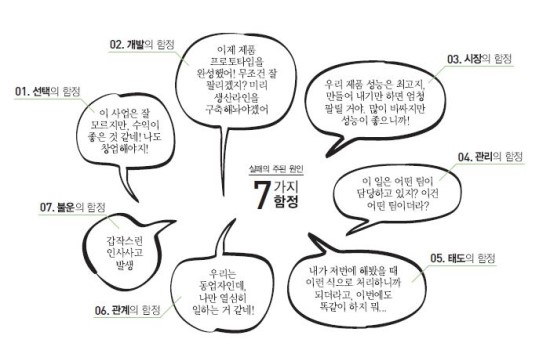
내가 한양대학교 대학원에서 박사과정 공부를 했을 때, 중소기업청장이셨던 한정화 교수님에게 벤쳐경영전략에 대해 한 학기 강의를 들었던 적이 있다. 그때 한교수님은 창업가들이 장기적인 사업에 실패하는 다음과 같은 7가지 함정을 이야기했다. 물론 7가지가 모두 화장품 사업과 관련 있진 않지만, 창업한 지 몇 년 안된 기업에게 시사하는 바가 커서 옮겨본다.
- 선택의 함정: 창업 아이템, 기술이나 업종 선정의 잘못으로 겪는 어려움이 크다. 그 이유는 사업의사 결정 시 정확한 판단에 필요한 지식과 정보가 충분하지 않기 때문이다. 사업을 해보기 전에 모든 정보와 지식을 숙지하는 건 불가능하다. 또한 보유하고 있는 자원이나 역량에 비해 무리한 분야를 택하는 경우도 대부분 실패한다. 더욱이 어느 사업분야가 유망하다고 무조건 뛰어드는 쏠림현상은 대량 실패를 가져올 수 있으니 주의해야 한다.
- 개발의 함정: 개발 위험은 예상했던 것보다 시간과 비용이 많이 들어가는 경우이다. 수년간 막대한 자금을 투자했는데, 개발이 지연되는 경우 운전자금의 압박을 가져오고, 이에 따라 핵심인재가 이탈하게 되면 결국 기술개발에 실패하게 된다. 또한 개발된 기술의 성능이나 품질에 결함이 있는 경우도 실패를 가져온다. 신속하게 보완하여 고객의 기대에 부응해야 하는데, 그러지 못할 경우나, 시제품은 성공적인데 양산과정에서 문제가 생기는 경우 어려움을 겪다가 실패하게 된다. 전 직장의 기술과 정보를 활용하여 창업했을 경우, 지적재산권 분쟁도 개발단계에서 좌절을 겪게 하므로 주의해야 한다.
- 시장의 함정: 연구개발을 통해 만들어낸 제품이 시장에서 수용되지 못하면 사업은 실패할 수밖에 없다. 그 이유는 창업자의 기술중심 사고 때문이다. 고객이 바라는 문제해결을 못해주거나, 가격 대비 가치를 만족시켜주지 못한다면 실패한다. 또한 시장에는 진입장벽이 존재한다. 고객이 신제품을 구입하는 전환비용, 치열한 경쟁, 제품 차별화, 규모의 경제, 유통망에의 접근, 정부의 정책 등 다양한 장벽이 존재한다. 시장 진입장벽을 넘지 못하거나 진입 후에 경쟁우위 약화 등이 시장에서 실패를 가져온다.
- 관리의 함정: 창업이후 성장함에 따라 조직의 규모가 커지고 관리의 복잡성이 증가한다. 급성장하는 벤쳐기업이 조직의 성장속도보다 관리역량이 따라가지 못할 때, 업무의 비효율성, 낭비의 증가, 생산성 저하 등의 문제가 발생하다. 규정이나 원칙의 모호성으로 내부갈등이 발생하고, 자금관리, 매출채권관리 결여로 현금흐름(Cash Flow)이 나빠지며, 품질관리, 영업관리, 재고관리, 수익관리 등의 어려움이 발생한다.
- 태도의 함정: 창업자의 지나친 자기 확신, 완벽주의, 과도한 통제욕구, 독선과 권위주의, 자기방식에 대한 집착 등이 실수의 원인이 된다. 자신의 비젼에 사로잡혀 부정적인 정보를 무시하게 되어, 위험을 과소평가하고 제대로 대응하지 못해 실패를 초래하는 경우가 많다. 또한 직관적 판단이나 감정에 치우쳐 성급하게 행동하거나 무리한 의사결정을 하는 경우도 대부분 실패하게 된다.
- 관계의 함정: 창업은 수많은 이해관계 속에서 이루어지기 때문에, 관계의 실패가 사업의 실패를 초래한다. 경영진 상호간의 신뢰저하 및 내부갈등은 직원들을 동요하게 하며, 핵심 투자자와 관계가 나빠지면 자금조달에 지장이 생겨 대외적 신뢰도 저하된다. 또한 창업멤버와 영업인력 간의 갈등, CEO의 도덕적 해이로 인한 조직갈등은 부정적 영향을 준다.
- 불운의 함정: 기업내부나 외부에서 통제하기 어려운 사건이 발생하여, 경영에 심각한 영향을 미치는 경우들이 많다. 급격한 경기변동, 정책변화, 사고, 사기, 횡령, 중요 거래처의 부도 등으로 회사가 어려움에 취하게 된다. 따라서 기업은 사전대응능력을 준비하여 위기관리 역량을 배양해야 한다.

—————————————
CEOs of small and medium-sized enterprises (SMEs) often charge forward with a focus on increasing sales, much like racehorses with blinders on. However, at some point, they realize that growth is no longer possible using the same methods. Even when they belatedly seek expert opinions, real change is difficult. This is because they are unable to break away from an owner-centered mindset.
I have never been to a racetrack, but I have seen racehorses on TV, and they all have blinders on. Herbivores have evolved to see somewhat behind them to avoid predators attacking from the rear, but these blinders prevent that. Thus, they can only run forward. If they succeed, they might finish first, but if they fail, they could stumble and even die.
The same goes for companies. Companies that have focused solely on running forward may have grown significantly, but they might now be at a point where they can no longer continue. One company I consulted with had been charging ahead for over ten years but reached a point where they sought my help because they couldn’t run any further. However, when I got there, my advice was unnecessary. Despite being given a broader perspective, they continued to focus solely on running forward. I had to leave after two months because the CEO habitually rejected change. It’s similar to how a racehorse might not easily adjust to a new jockey. I believe most self-made CEOs of SMEs are like this.
The importance of “strategic vision” in corporate growth and development is literally a matter of survival. Running like a racehorse, focusing only on what’s ahead, can maximize concentration and speed, but it also entails the risk of overlooking environmental changes and hidden dangers. Self-made CEOs might have achieved high growth through early, all-out efforts, but if they continue with the same approach, they will struggle to sustain growth in response to market changes, diversified consumer needs, and technological innovations.
While studying for my PhD at Hanyang University, I took a semester-long course on venture management strategy with Professor Han Jeong-hwa, then the Commissioner of the Small and Medium Business Administration. He spoke about the seven traps that cause long-term business failures for entrepreneurs. Though not all seven are directly related to the cosmetics industry, they offer significant insights for companies that have been in business for a few years, so I will share them here.
- The Trap of Choice: Difficulties arise from incorrect selection of business items, technology, or industries. This is because entrepreneurs lack sufficient knowledge and information to make accurate decisions. It’s impossible to have all the information and knowledge before starting a business. Moreover, choosing a field beyond one’s resources or capabilities usually leads to failure. Jumping into a supposedly promising industry without thorough consideration can result in widespread failure.
- The Development Trap: Development risks occur when more time and money are required than expected. If significant capital is invested over several years but development is delayed, working capital pressure mounts, leading to the departure of key personnel and ultimately, development failure. Even if the developed technology has performance or quality issues, failure can occur. Rapidly addressing these issues to meet customer expectations is crucial, but failure to do so, or encountering problems during mass production, can lead to difficulties and eventual failure. Using technology and information from a previous job can also lead to intellectual property disputes and development setbacks.
- The Market Trap: If products developed through research and development are not accepted by the market, the business will inevitably fail. This stems from the entrepreneur’s technology-centered thinking. Failure occurs if the product does not solve customer problems or fails to satisfy value-for-money expectations. There are also market entry barriers, including customer switching costs, intense competition, product differentiation, economies of scale, access to distribution channels, and government policies. Failure to overcome these barriers or weakened competitive advantage after entry leads to market failure.
- The Management Trap: As a startup grows, the organization’s size increases, and management complexity rises. When rapidly growing venture companies cannot keep up with organizational growth in terms of management capabilities, issues like inefficiency, waste, and decreased productivity arise. Internal conflicts due to ambiguous rules or principles, poor cash flow due to inadequate cash and accounts receivable management, and challenges in quality, sales, inventory, and profit management all emerge.
- The Attitude Trap: Excessive self-confidence, perfectionism, excessive control, authoritarianism, and obsession with one’s own methods are common causes of failure. Being fixated on one’s vision can lead to ignoring negative information, underestimating risks, and inadequate response, resulting in failure. Additionally, making hasty decisions based on intuition or emotions often leads to failure.
- The Relationship Trap: Business is conducted amid numerous relationships, and failures in these relationships can lead to business failure. Deteriorating trust and internal conflicts among executives disturb employees, while poor relationships with key investors hinder funding and reduce external credibility. Conflicts between founding members and sales staff, or ethical lapses by the CEO, can also negatively impact the organization.
- The Bad Luck Trap: Uncontrollable events within or outside the company can have severe impacts on management. Sudden economic fluctuations, policy changes, accidents, fraud, embezzlement, or major customer bankruptcies can all put the company in jeopardy. Therefore, companies must prepare contingency capabilities and cultivate crisis management skills.