역사란 무엇일까요? 동양에서 역사는 지날 역(歷)자와 사관 사(史)자가 합쳐진 말입니다.
역(歷)이란 대자연 속에서 무엇인가를 이루고자 꿈을 안고 살아가는 인간 삶의 발자취를 의미합니다. 그래서 역사란 인간이 자연환경에 적응하며 살아가는 과정에서 이룩한 삶의 총체를 일컫습니다.
사(史)는 가운데 중(中)과 손 수(手)가 합쳐진 말로서, 한쪽으로 치우침이 없는 중도 정신을 뜻합니다. 주관에 치우친 편협한 안목으로 역사를 해석하는 것은 중도 정신에서 벗어나므로, 무엇보다 역사는 있는 그대로 보는 것이 중요합니다.
히스토리(History)의 어원인 ‘히스토리아(Historia)’는 원래 ‘탐구’라는 의미를 가진 그리스 말입니다. 이 용어는 히스토리아이(Historiae)를 지은 그리스의 역사가 헤로도투스(Herodotos)가 책 제목으로 사용하면서 일반화되었습니다. 헤로도투스는 페르시아 전쟁의 원인을 찾아내기 위해 여러 곳을 찾아다니며 많은 사람을 만났고, 그때 수집한 자료를 28개의 이야기로 정리하여 이 책을 썼습니다. 과거에 대한 고증과 조사를 바탕으로 쓴 서양 최초의 역사책인 ‘히스토리아이’에서 ‘히스토리’라는 말이 생겨난 것입니다.
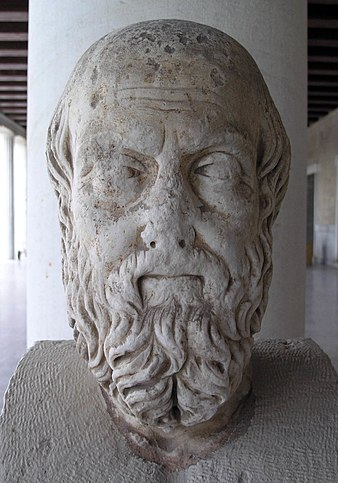
그래서 역사란 과거의 진실을 탐구하는 것을 뜻합니다. 하지만 이것이 역사의 전부는 아닙니다. 역사는 과거에 일어난 사건의 의미를 찾는 것입니다. 지난 과거사의 역사적 의미를 찾아내어 현재 삶을 향상시킬 최선책을 찾는 것입니다. 따라서 역사는 의미가 있는 글입니다, 즉, History is meening 입니다.
단재 신채호는 “역사를 읽게 하되 어릴 때부터 읽게 할 것이며, 역사를 배우게 하되 늙어 죽을 때까지 배우게 할 것이며, 남자뿐 아니라 여자도 배우게 할 것이며, 지배 계급뿐만 아니라 피지배 계급도 배우게 할 것이다” 라고 외쳤습니다.
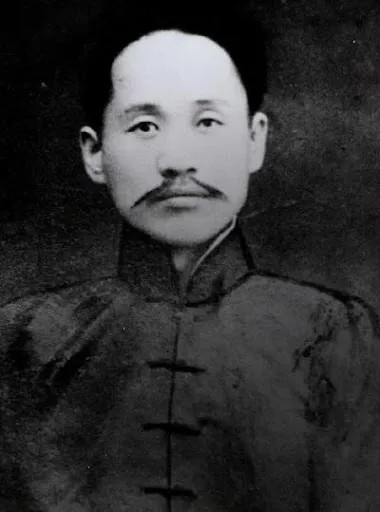
그가 말하는 역사는 국가와 민족을 소생시키고 인류의 참된 소명을 깨닫게 하는, 정신이 살아 있는 역사입니다. 때문에 “정신이 없는 역사는 정신이 없는 민족을 낳고, 정신이 없는 나라를 만든다”라고 절규하였습니다. 신채호에 따르면 역사는 인간정신 활동의 결과물이요 산물입니다. 그래서 역사는 인류의 삶에 필요한 제1의 자산이자 지혜의 보고가 됩니다.
우리가 역사를 반드시 알아야 하는 이유는 오늘의 우리 삶이 과거 역사에 비탕을 두며, 지금 우리의 발걸음에 따라 미래의 향방이 결정되기 때문입니다. 과거가 단절되고 왜곡되어 있으면 과거의 소산인 현재의 역사의식도 뒤틀리고, 미래를 보는 올바른 시각도 가질 수 없습니다.
과거는 죽은 과거가 아니라 아직도 현재 속에 살아 있는 과거이고, 역사란 현재와 과거의 끊임없는 대화인 것입니다.
과거와 현재가 소통될 때 비로소 우리에게 닥쳐오는 모든 변혁에 대비하고 밝은 미래를 열 수 있습니다. 미래에 대한 의식이 없으면 역사는 아무런 의미도 없으며, 미래를 구축할 수 있는 힘은 바로 역사에서 나옵니다. 그래서 흔히 역사는 미래학이라고도 말합니다.
“역사를 모르는 자, 역사에 휩쓸려 가리라!”
이 한마디에 우리가 역사를 알아야 하는 필연성과 당위성이 담겨 있습니다. 역사를 가르치지 않는 것은 자식을 낳아 놓고서 성(姓)을 가르쳐 주지 않고, 그저 이름을 조선시대 머슴처럼 개똥이라고 짓는 것과 똑같은 것입니다.
– 출처 : 환단고기 –
—————————–
In East Asia, the word for history combines the characters for “journey” (歷) and “record” (史).
The character 歷 (journey) signifies the traces of human life as they strive to achieve something in the midst of nature. Therefore, history refers to the totality of human life as it adapts to and interacts with the natural environment.
The character 史 (record) is composed of the characters for “middle” (中) and “hand” (手), symbolizing the spirit of balance and impartiality. Interpreting history with a biased perspective, influenced by personal subjectivity, deviates from this balanced spirit. Hence, it is crucial to view history as it truly is.
The word “history” originates from the Greek term “historia,” which originally meant “inquiry.” This term became widespread when Herodotus, a Greek historian, used it as the title of his work, Historiae. Herodotus traveled extensively, meeting many people to discover the causes of the Persian Wars, and he compiled the materials he gathered into 28 stories. The word “history” thus emerged from this first Western historical text, Historiae, which was based on verification and investigation of the past.
Therefore, history is the pursuit of truth about the past. However, this is not all that history entails. History seeks to find the meaning of events that occurred in the past. It involves uncovering the historical significance of past events to find the best strategies for improving our present lives. In this sense, history is meaningful writing—history is meaning.
The Korean independence activist and a national historian, Shin Chae-ho once proclaimed, “Let people read history, and let them start reading it from a young age. Let them study history until they die of old age. Let not only men but also women learn history, and let not only the ruling class but also the oppressed class study history.”
The history he spoke of is a living history, one that revives the nation and the people and awakens humanity to its true mission. Thus, he lamented, “A history without spirit produces a nation without spirit, which in turn creates a country without spirit.” According to Shin Chae-ho, history is the result and product of human spiritual activity. Therefore, history becomes the primary asset necessary for human life and a repository of wisdom.
The reason we must know history is that our lives today are grounded in past history, and the direction of the future is determined by our steps today. If the past is severed or distorted, the historical consciousness of the present, which is born from the past, also becomes twisted, and we cannot have a proper perspective on the future.
The past is not a dead past but one that still lives within the present, and history is the continuous dialogue between the present and the past.
Only when the past and the present communicate can we prepare for all the changes that come our way and open the door to a bright future. Without awareness of the future, history becomes meaningless, and the power to shape the future comes from history. That is why history is often called the study of the future.
“Those who do not know history are bound to be swept away by it!”
This single statement contains the inevitability and necessity of why we must know history. Failing to teach history is like having children but not teaching them their family name and instead giving them names like “Dog Poop” as was common for servants in the Joseon era.
- Source: Hwandan Ancient History –