

고려말에 금성(현 전남 나주)에서 태어난 범장은 여말 충신으로 잘 알려진 정몽주의 제자라고도 합니다. 호는 복애이고, 복애거사로도 불리었습니다. 범장의 호인 복애伏崖가 휴애休崖의 오기라는 설이 있습니다.
그러나 증손 범석희가 필사한 범장의 저서 [화동인물총기]는 복애를 범장의 호로 분명하게 밝히고 있습니다. 조선총독부 중추원에서 간행한[조선인명사서]에도 자는 여명보, 호는 복애라 기록되어 있습니다. 범장의 증조부 범승조는 남송때 예부시랑을 지냈는데 원에게 남송이 멸망하자 고려에 망명하였습니다. 조부 범유수가 여진족 정벌에 공이 있어 금성군에 책봉된 것을 계기로, 금성 범씨가 되었습니다.
범장의 생애에 대해 알려진 것은 그의 관직 생활이 전부입니다. 범장은 공민왕 18년에 문과에 급제하여 덕녕부윤에 이어 낭사의 수장인 간의대부를 지냈습니다. 1335년에 천보산에서 이암, 이명과 함께 소전거사로부터 비서를 전수 받은 지 30년이 더 지나 뒤늦게 관직에 발을 들인 것입니다. 낭사는 고려의 핵심 관청인 중서문하성에 속한 관리로, 임금에게 건의와 충언을 드리는 직책이었습니다.
그러한 낭사 중에서도 최고위인 간의대부로서, 임금의 처사에 대하여 간언하고 이미 내린 조칙이라도 부당하면 되돌리는 일을 행하려면 해박하고 강직하기가 이를 데 없어야 합니다. 간의대부라는 직책만으로도 범장의 성품과 학식을 짐작할 수 있습니다.
하지만 고려의 국운이 다하자 범장은 사관의 뜻을 꺾고 벼슬에서 물러나 뜻을 같이하는 70여명과 함께 만수산 두문동에 은거하였습니다. 조선의 태조와 태종이 여러 차례 벼슬을 권했으나, 고려 왕조에 대한 절의를 지키며 끝내 출사하지 않고, 고향으로 내려가 성리학 연구에 몰두하였습니다.
중국 서적 [고려사사적개요]에 의하면 고향에 돌아온 범장은 자신이 즐겨 노닐던 곳인 복암을 따서 호를 복애라 하였다 합니다. 저서로는 [화동인물총기](도학과 충절을 지킨 신라와 고려의 인물을 소개한 책), [동방연원록], 그리고 [원척선](정몽주의 스승인 신현의 행적과 고려 말 역사를 기록한 책) 등이 있습니다.
범장은 조정에 출사하기 34년 전 젊은 시절(1335)에 이암, 이명과 함께 소전거사로부터 고서를 전수 받았습니다. 그때 세 사람은 국호만 살아 있을 뿐 주권을 상실한 고려의 현실을 통탄하며 반드시 한민족사를 되찾을 것을 굳게 결의하였습니다. 이 3인의 결의사건 덕분에 한국사 회복의 길에 서광이 비치게 된 것입니다. 이후 범장이 쓴 책이 바로 [북부여기]와 [가섭원부여기]입니다. 출사하기 전에 썼는지, 고려가 망한 후에 낙향하여 썼는지 그 시기는 불분명합니다.
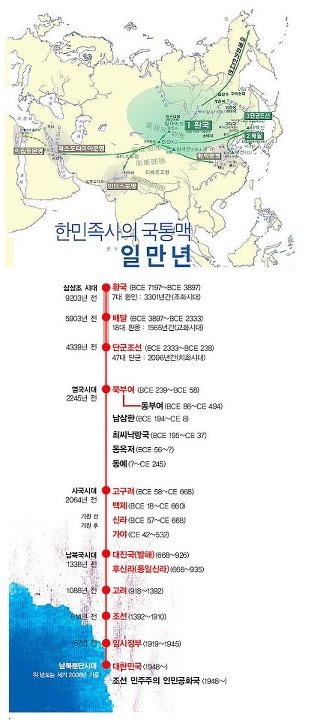
그러나 원나라의 속국으로 전락한 고려가 다시 일어나 한민족의 옛 영광을 회복하여 고조선->북부여(열국시대)->오국시대->남북국시대->고려로 이어지는 국통 맥을 후대에 온전히 전하기를 바라는 애국충정의 발로에서 부여사를 저술하였다는 것은 분명합니다.
이암, 이명, 범장, 이 세분이 우리 역사의 참 모습을 드러낸 공덕은 천추만대에 길이 남을 것입니다.
- 열국시대(북부여, 남삼한, 최씨 낙랑국, 동부여, 동옥저, 동예)
- 오국시대(서부여 또는 연나부부여, 고구려, 백제, 신라, 가야연맹)
- 남북국시대(대진, 통일신라)
- 잃어버린 고리, 부여사의 전모를 밝혀 주는 [북부여기]
[북부여기]는 고조선을 계승한 북부여와 북부여에서 갈려 나간 동부여, 갈사부여, 서부여 등 여러 부여사를 총제적으로 기록하여 부여사의 전모를 밝혀 줍니다. 이 사서는 북부여의 건국 시조인 해모수의 실체를 처음으로 밝힙니다. 또한 고구려의 시조로 널리 알려진 고주몽이 원래는 북부여 6세 고무서단군의 사위로서 북부여의 7세 단군이었다는 사실도 밝힙니다. 그리하여 북부여의 대통이 고구려로 이어졌음을 만천하에 드러냈습니다.
[북부여기]덕분에 고조선에서 북부여로, 북부여에서 고구려로 이어진 한민족사의 국통 맥을 제대로 잡을 수 있게 된 것입니다. [북부여기]는 또한 만주와 대륙에서 여러 부여사가 진행되는 동안 한반도 땅에서 펼쳐진 또 다른 한민족사를 전합니다. 연나라 사람 위만의 배은망덕이 발단이 되어 대동강 유역에 낙랑국이 건설되고, 한강 이남에 새로운 삼한(남삼한)이 성립된 사실을 기록하였습니다.
고조선이 망하고 고구려가 세워지기 전까지, 대륙과 한반도에서 전개된 한민족의 격동의 역사를 전한 사서가 바로 [북부여기]입니다. 이 책이 없었더라면, 고조선의 마지막 고열가단군이 퇴위한 BCE238년에서 고주몽이 고구려를 연 BCE58년 사이의 한민족사는 미궁에 빠졌을 것입니다.
[북부여기]덕분에 고조선과 고구려 사이의 잃어버린 고리(missing link)인 부여사를 찾을 수 있게 되었습니다. 9천 년 한국사에서 가장 파악하기 어려운 부분이 부여사인데, [환단고기]는 부여사 전모를 이해하는 데 결정적으로 기여하고 있는 것입니다.
- 북부여기 보다 먼저 지어진 삼국사기와 삼국유사가 나름대로 부여 역사를 전하고 있지만, 이 두 사서는 주요 사실을 오기하여 한민족사의 국통 맥을 잘못 전하고 있습니다. 중요한 오기 한가지만 짚어보면, 삼국사기는 고주몽을 해모수의 아들로 기록하였고, 삼국유사는 고주몽을 북부여의 4세 고두막단군과 혼동하여 동일 인물로 기록하였습니다.

————–
Beom Jang, who was born in Geumseong (present-day Naju in South Jeolla Province) during the late Goryeo period, is said to have been a disciple of Jeong Mong-ju, a well-known loyalist of the late Goryeo era. His pen name was Bokae, and he was also known as Bokae Geosa (meaning “Hermit of Bokae”). There is a theory that his pen name Bokae 伏崖 was originally a mistaken form of Hyoae 休崖.
However, Beom Jang’s great-grandson, Beom Seok-hee, who transcribed Beom Jang’s writings, clearly stated that his pen name was Bokae in the book Hwadong Inmul Chonggi (Record of Distinguished Figures of Korea). Additionally, the Joseon Inmyeong Saseo (Korean Biographical Dictionary) published by the Japanese Governor-General’s Office in Korea recorded that Beom Jang’s courtesy name was Yeomyeongbo, and his pen name was Bokae. Beom Jang’s great-grandfather, Beom Seung-jo, served as Vice Minister of Rites in the Southern Song Dynasty, but when the Song fell to the Yuan Dynasty, he fled to Goryeo. Beom Jang’s grandfather, Beom Yu-su, was granted the title of Lord of Geumseong for his military exploits against the Jurchens, which led to the establishment of the Geumseong Beom clan.
What is known about Beom Jang’s life is primarily his career in government service. In the 18th year of King Gongmin’s reign, Beom Jang passed the civil service examination and later served as Deoknyeong Buyun and as the head of Nangsang, holding the title of Ganye Daebu. It was more than 30 years after he received a collection of secret texts from Sojeon Geosa on Mt. Cheonbo in 1335, alongside Yi Am and Yi Myeong, that Beom Jang entered public office. Nangsang, the key administrative office of Goryeo, included officials responsible for advising and offering frank remonstrance to the king.
As the highest-ranking official among the Nangsang, Ganye Daebu, Beom Jang had the duty to offer candid advice to the king and, if necessary, to reverse any unjust decrees. To hold such a position, one had to be exceptionally knowledgeable and principled. From the fact that Beom Jang held this title, we can infer much about his character and scholarship.
However, when the fortunes of Goryeo began to wane, Beom Jang resigned from office and retired to Mansusan Mountain’s Dumundong with 70 like-minded companions. Although King Taejo and King Taejong of the newly founded Joseon dynasty repeatedly offered him positions, Beom Jang remained loyal to the Goryeo dynasty and never re-entered government service. Instead, he returned to his hometown to focus on studying Neo-Confucianism.
According to the Chinese text A Brief History of Goryeo, after returning to his hometown, Beom Jang adopted the pen name Bokae, which was derived from a place called Bokam where he enjoyed spending time. His known works include Hwadong Inmul Chonggi (a collection introducing figures from Silla and Goryeo who upheld Confucian virtues and loyalty), Dongbang Yeonwonrok, and Woncheokseon (a record of the deeds of Shin Hyeon, Jeong Mong-ju’s teacher, and the history of the late Goryeo period).
Before entering public service, Beom Jang, together with Yi Am and Yi Myeong, received ancient texts from Sojeon Geosa in 1335. At that time, the three men were lamenting the loss of Goryeo’s sovereignty, as only the nation’s name remained intact. They resolved to one day restore the Korean people’s historical legacy. It was thanks to this resolution that a ray of hope for reclaiming Korean history emerged. The result of this was Beom Jang’s writing of Book of Northern Buyeo and Gaseopwon Buyeogi. It is unclear whether he wrote these works before entering public office or after Goryeo’s fall when he returned to his hometown.
However, it is evident that Beom Jang’s motivation for writing about the history of Buyeo was his patriotic desire to see Korea rise again, shake off its status as a vassal state of the Yuan Dynasty, and restore the lineage of the Korean people, which he believed had been passed down from Gojoseon → Northern Buyeo (Era of the Kingdoms) → Era of the Five States → Era of the Southern and Northern Kingdoms → Goryeo.
The contributions of Yi Am, Yi Myeong, and Beom Jang in uncovering the true history of Korea will be remembered for eternity.
- Era of the Kingdoms (Northern Buyeo, Southern Samhan, Choi Clan’s Nakrang State, Eastern Buyeo, Eastern Okjeo, Eastern Ye)
- Era of the Five States (Western Buyeo or Yeonna Bu Buyeo, Goguryeo, Baekje, Silla, Gaya Confederacy)
- Era of the Southern and Northern Kingdoms (Daejin, Unified Silla)
Book of Northern Buyeo and Its Importance in Revealing the History of Buyeo
Book of Northern Buyeo comprehensively records the history of Northern Buyeo, which succeeded Gojoseon, as well as the histories of Eastern Buyeo, Galsa Buyeo, and Western Buyeo, which branched off from Northern Buyeo. This historical text sheds light on the full scope of Buyeo’s history. It was the first to reveal the true identity of Haemosu, the founding ruler of Northern Buyeo.
Furthermore, it clarifies that Jumong, widely known as the founder of Goguryeo, was originally the son-in-law of Northern Buyeo’s sixth ruler, King Gomuseo Dan-gun, and later became the seventh Dan-gun of Northern Buyeo. Through this, it established that the succession of Northern Buyeo’s royal lineage continued into Goguryeo.
Thanks to Book of Northern Buyeo, we are able to properly trace the lineage of the Korean people’s history from Gojoseon to Northern Buyeo, and from Northern Buyeo to Goguryeo. The text also details another aspect of Korean history that unfolded in the Korean Peninsula while various Buyeo states existed in Manchuria and on the continent. It records the fact that Nakrang State was established in the Daedong River basin due to the betrayal of the Yan general Wi Man, and that Southern Samhan (South Three Han) was formed in the southern part of the Han River.
Book of Northern Buyeo is a historical text that recounts the turbulent history of the Korean people from the fall of Gojoseon to the rise of Goguryeo, both on the continent and in the Korean Peninsula. Without this book, the history of the Korean people from the abdication of Gojoseon’s last ruler, Goyeolga Dan-gun, in 238 BCE to Jumong’s founding of Goguryeo in 58 BCE would remain a mystery.
Thanks to Book of Northern Buyeo, we were able to uncover the missing link in Korean history, which connects Gojoseon and Goguryeo through the history of Buyeo. The history of Buyeo is one of the most challenging aspects of Korean history to understand, and Hwandan Gogi has significantly contributed to our understanding of Buyeo’s full history.
Though the earlier works Samguk Sagi and Samguk Yusa both convey aspects of Buyeo’s history, they contain key errors that misrepresent the succession of the Korean people’s historical lineage. For example, Samguk Sagi mistakenly recorded Jumong as the son of Haemosu, and Samguk Yusa confused Jumong with King Godumak Dan-gun, the fourth ruler of Northern Buyeo, treating them as the same person.