논어(論語)의 공야장(公冶長) 편에 나오는 공자의 일화가 있다.
위나라에는 공어(孔圉)라고 하는 대부가 있었는데 죽은 뒤에 시호를 문(文)이라 하였다. 때문에 사람들은 그를 공문자(孔文子)라고 불렀다. 이 일을 두고 공자의 제자인 자공(子貢)이 어느 날 공자에게 “공문자는 왜 시호를 문이라고 했습니까?”라고 물었다.
자공이 이런 질문을 한 것은 그 공문자가 남의 아내를 강제로 취하는 등 평소 행실이 도저히 문(文)이라는 시호를 받을 만한 위인이 아니었기 때문이었다. 공문자의 인간성이 이와 같았는데도 시호를 문이라고 했기 때문에 자공이 의아하게 여겨 물은 것이다.
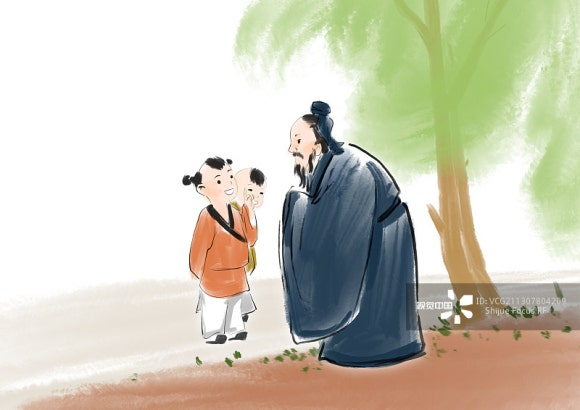
그 물음에 공자는 “그가 영민하면서도 배우기를 좋아했고 아랫사람에게 묻는 것을 부끄럽게 여기지 않았기 때문에, 시호를 문이라고 한 것이다(敏而好學 不恥下問 是以謂文也).”라고 대답했다.
불치하문(不恥下問)은 바로 공자의 이 말에서 유래한 성어로, 아무리 지위가 낮거나 못난 사람이라 할지라도 자기가 모르는 부분을 알 수도 있으니, 타인에게 묻는 것은 신분이나 지위의 높고 낮음에 관계없이 부끄러워할 일이 아니라는 의미이다.
오늘날에는 겸허하고 부끄럼 없이 배우기를 즐기고 진심으로 남의 가르침을 받아들이는 태도로 널리 통용되고 있다. 따라서 진실로 배우기를 좋아하는 사람이라면 자신보다 지위가 낮은 사람에게도 기꺼이 물어볼 줄 알아야 한다.
내가 LG생명과학에 처음 입사했을 때였다. 비록 당시 마케팅전략 팀장이었지만, 제약회사에서 통용하는 의학용어들은 도대체 이상한 나라에 온 것처럼 알아들을 수가 없었다. 그때 나의 큰 스승이 된 사람들은 약사출신, 공대 생물학과 출신인 바로 나의 팀 직원들이었다.
나는 모르는 것을 부끄러워하지 않고, 그들에게 항상 물어보며 업무를 수행했는데, 특히 그들이 만들어 준 의학약어 정리표는 초보자인 내게 가장 유용한 자료였다. 일단 전문적인 의학 약어가 무슨 말인지 알아들어야 소통을 할 수 있었기 때문이다.
그러자 나는 금방 전문의약품을 취급하는 제약회사에 적응해 나갈 수 있었다. 물론 내 팀원들도 내게 마케팅을 배우게 되어, 훌륭한 마케터로 성장한 건 당연한 일이었다. 결국 배움이란 서로 부족한 것을 보충하여 함께 성장해가는 상호보완적인 것이라 할 수 있다.

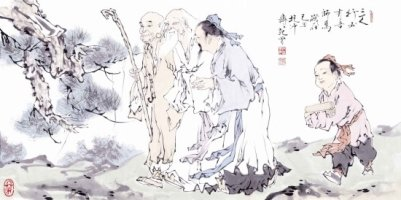
삼인행필유아사언(三人行 必有我師焉)이란 말처럼, 세 사람이 함께 길을 가는 중에는 반드시 나의 스승이 될 만한 사람이 있는 것이다. 이렇듯 항상 겸허하게 배우는 자세로 상대를 대하면, 세상에 도움되지 않을 사람이 어디 있겠는가?
사람들은 태어나면서 누구나 단 한 가지라도 고유한 장점을 가지고 태어나며, 내가 살아보지 못한 그들의 인생 속에는 무엇이든 하나는 배울 점이 분명 있다. 그러므로 때론 농담 따먹기식 사교모임에서도 배울 것이 있으며, 어쩔 수 없이 만나는 업무나 접대에서도 관점을 바꾸면 배움을 찾을 수도 있다. 상대방이 농담으로 던진 유머 한마디라도, 때론 내게 유익한 사용거리가 될 지도 모를 일이니 말이다.
그러나 되풀이되는 모임과 만남 속에서도 더 이상 배움과 발전을 찾을 수 없다면, 나는 그런 모임은 과감히 떠나야 한다고 생각한다. 그들과 만나는 시간이 무의미하고 시간이 아깝다고 생각되는 순간이 바로 그 모임을 떠날 때라 생각한다. 우리에겐 SNS를 통해서라도 만나야 할 사람들이 무수히 많으며, 그만큼 배울 점들도 너무나 많다.
인간관계는 이 사회를 살아가는 사람들에게 있어서 뗄래야 떼어낼 수 없는 필수불가결한 것이지만, 그렇다고 인간관계의 폭을 넓히기 위해 단순히 사람들과 명함을 주고받고, 아는 사람들 숫자 채우기 식의 인맥 자랑거리로 삼는다면 너무 무의미한 일이 될 것이다.
————
There is a famous anecdote from Confucius in the Gongyechang (公冶長) chapter of the Analects (論語).
In the state of Wei (衛), there was a nobleman named Kong Yu (孔圉) who, after his death, was given the posthumous title “Wen” (文)—hence, he became known as Kong Wenzi (孔文子).
One day, Confucius’ disciple Zigong (子貢) asked,
“Why was Kong Wenzi given the title ‘Wen’?”
Zigong’s question stemmed from the fact that Kong Wenzi was notorious for his immoral behavior, including forcibly taking another man’s wife. Such a person, in Zigong’s eyes, was unworthy of the title “Wen,” which signified a refined and cultured individual.
Confucius replied,
“He was intelligent and loved learning, and he was never ashamed to ask questions even to those below him. That is why he was called ‘Wen.'”
(敏而好學 不恥下問 是以謂文也)
From this, the famous saying “Buchi Haxue” (不恥下問) originated, meaning “One should never be ashamed to ask those of lower status.” It implies that wisdom is not about rank or social status—anyone, regardless of their position, may possess knowledge that we lack.
Today, this phrase is widely understood to emphasize humility in learning—embracing a sincere and open attitude toward acquiring knowledge from anyone, even those who might be considered less experienced or lower in status. True learners should never hesitate to seek knowledge from subordinates.
When I first joined LG Life Sciences, I was appointed as the Marketing Strategy Team Leader. Despite my role, I struggled with medical terminology commonly used in the pharmaceutical industry—it felt as if I had stepped into an entirely foreign world.
Ironically, my greatest teachers at the time were not senior executives or industry veterans, but rather my own team members—pharmacists and biology graduates.
I was never embarrassed to admit my lack of knowledge. I constantly asked them questions, eager to learn. In particular, they created a medical abbreviation reference sheet for me, which became my most valuable learning tool. Understanding these abbreviations was essential for effective communication within the company.
Thanks to this, I quickly adapted to the pharmaceutical industry. Meanwhile, my team members learned marketing strategies from me and eventually grew into excellent marketers.
This experience reaffirmed a key truth: Learning is a reciprocal process. True learning happens when individuals complement each other’s weaknesses and grow together.
As Confucius once said,
“In the company of three people, there is always one who can be my teacher.”
(三人行 必有我師焉)
If we approach relationships with humility and an eagerness to learn, there is no one in this world from whom we cannot learn something.
Every person is born with at least one unique strength—something valuable that we ourselves might lack. Even in casual social gatherings, there are opportunities for learning. Even in business meetings or obligatory social events, shifting our perspective can reveal hidden lessons.
Even a simple joke from a colleague might one day become an insightful anecdote useful in unexpected ways.
However, if repeated gatherings or relationships fail to bring new learning or growth, I believe it is time to walk away. The moment we start feeling that time spent with certain people is meaningless and unproductive, we should move on.
After all, in today’s digital era, we have endless opportunities to connect and learn through SNS and other platforms. There are far too many valuable connections to be made and far too many lessons waiting to be learned.
Human relationships are an essential part of life, but simply expanding one’s network for the sake of networking is meaningless.
If relationships are reduced to exchanging business cards and boasting about the number of people we know, they become hollow and purposeless.
What truly matters is whether our relationships contribute to our personal and professional growth.