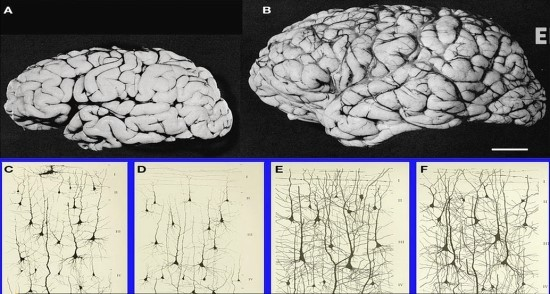
흔히들 “분석적이다, 체계적이다, 논리적이다”라는 말에는 항상 원인과 결과가 명백하며 객관적인 숫자가 뒤따른다. 그리고 그런 표현과 함께 한 사람의 성향도 대변되는 경향이 있다,
“그렇다면 과연 한 사람의 성향을 극단적으로 논리적이거나 그 반대인 감성적인 것으로 나눌 수 있을까?”
인간의 뇌가 좌뇌와 우뇌로 나누어져 있는데, 좌뇌는 우리 신체의 오른쪽을 지배하고 주로 이성적, 논리적 성향을 나타내며, 우뇌는 반대로 신체의 왼쪽을 지배하고 감성적, 창의적 성향을 나타낸다는 #뇌과학 이야기는 이미 너무도 잘 알려진 상식이 된 지 오래다.
그로부터 사람이 어느 한쪽으로 치우치는 경향을 나타내어 좌뇌형 인간이나 우뇌형 인간이라는 말이 나왔지만, 사람의 뇌가 두 개가 아니라 단 하나인 것이 진실인 것처럼 사람은 그 두 가지 성향을 모두 가지고 있는 것이 정답이다.
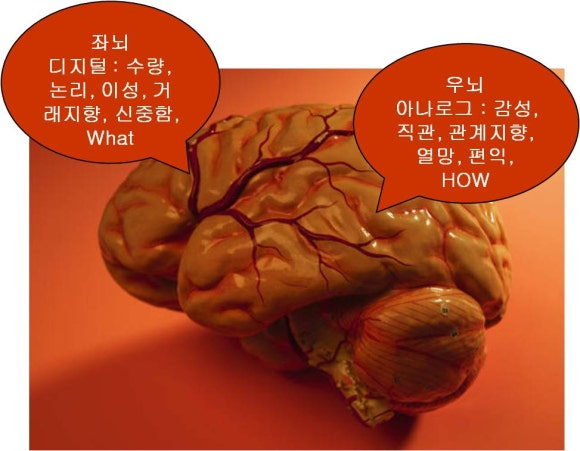
따라서 분리되지 않은 통합된 하나의 뇌를 모두 활용하기 위해, 좌뇌와 우뇌를 연결해 주는 연결 통로를 더욱 넓게 만드는 노력을 해야 한다. 감성에 치우치거나 생각과 행동이 일반화되어가는 경향을 분석적이고 논리적인 판단으로 보강해야 한다.
하지만 사람의 뇌는 참으로 간사하다. 아니 어쩌면 너무 게으른 지도 모르겠다. 우리가 반복된 행동을 통해 습관을 형성하는 것도 뇌가 똑 같은 일에는 더 이상 신경 쓰고 싶어하지 않는 게으름 때문에 생기는 행동의 결과이다.
그리고 뇌의 게으름은 바로 우리가 겪는 경험이 만들어낸 산물이다. 세상에서 가장 복잡한 인체의 모든 부분을 통제하는 뇌는 잠잘 때를 제외하고는 너무도 바쁘다.
그런 만큼 많은 피와 산소 공급을 통해 많은 에너지를 필요로 한다. 그래서 뇌는 불필요한 일에 에너지를 소모하고 싶지 않아서 반복된 일은 더 이상 신경 쓰지 않고 몸이 대충 알아서 행동하도록 내버려 둔다. 그리고 곧 뇌가 신경 쓰지 않아도 자동적으로 이루어지는 행동이 좋던 나쁘던 습관이 되는 것이다.
인간의 뇌는 뉴런(Neuron)의 네트워크로 이루어져 있다. 뉴런은 인간이 지각하는 정보를 전기적 신호로 전달해 주는 신경세포인데 얼마나 복잡하게 연결되어 있는지, 인간의 작은 뇌에 있는 모든 뉴런의 연결점을 하나의 선으로 연결하면 지구를 네 바퀴 돌고도 남는 길이라고 한다.
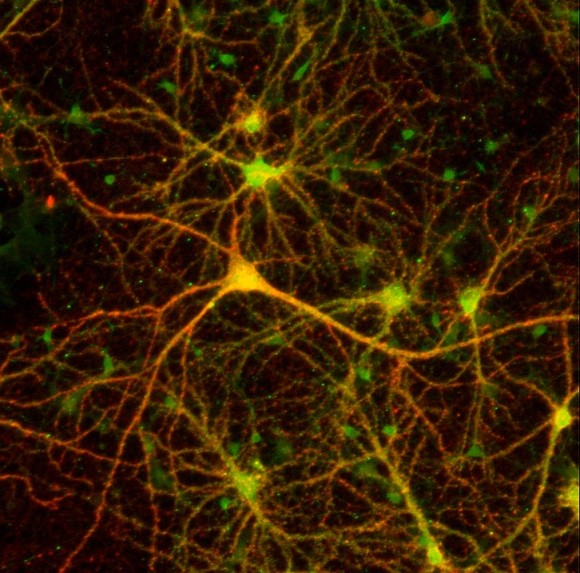
그런데 이 뉴런은 인간이 이미 완벽하게 모든 걸 가지고 태어나지만, 뉴런 간의 연결이 적게 되어 있다가 자라면서 많은 것을 행동하고 경험하면서 상호 연결점이 더욱 많아진다고 한다.
결국 경험에 의해 연결된 뉴런은 그 경험을 인지하고 뇌에 저장해 두었다가 같은 일이 반복되었을 때 생각을 회피하여 정보 전달을 점점 하지 않는 것이다. 바로 이 점이 사람들이 과거 경험에 의존하여 먼저 행동하려는 타성과 관성을 만드는 것이다.
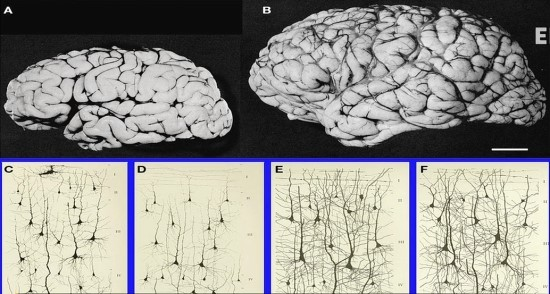
[ 생후 6개월 아기의 뉴런이 6세가 되면서 점점 복잡하게 연결된 모습 ]
————-
People often use expressions like “analytical,” “systematic,” and “logical” to describe someone whose thought process involves clear causes and effects backed by objective data. These descriptions tend to reflect a person’s overall character.
But can a person truly be categorized as entirely logical or entirely emotional?
It’s widely known in neuroscience that the human brain is divided into the left and right hemispheres. The left hemisphere governs the right side of the body and is associated with rational and logical tendencies, while the right hemisphere governs the left side and is associated with emotional and creative tendencies. This common understanding has led to terms like “left-brained” and “right-brained” individuals. However, just as it’s a fact that the human brain is a single organ, not two separate ones, it’s also true that people possess both tendencies.
Therefore, to fully utilize this unified brain, it’s necessary to strengthen the connection between the two hemispheres. Emotional tendencies or generalized thinking and behavior should be complemented by analytical and logical judgment.
Yet the human brain is deceptive—perhaps even lazy. The formation of habits through repeated behaviors stems from the brain’s unwillingness to expend effort on tasks it has encountered before. This laziness leads the brain to avoid engaging with the same tasks repeatedly.
And this laziness is a byproduct of experience. As the most complex organ controlling every part of the human body, the brain remains extremely active except during sleep. To function, it requires a substantial amount of blood and oxygen, consuming a great deal of energy. To conserve this energy, the brain avoids unnecessary effort, allowing the body to act automatically in familiar situations. This is how behaviors become habits—good or bad—without the brain consciously intervening.
The human brain is composed of a network of neurons. Neurons are nerve cells that transmit sensory information through electrical signals. The network is so intricately connected that if the neural pathways in the brain were stretched out into a single line, it would be long enough to circle the Earth more than four times.
At birth, humans are equipped with a complete set of neurons, but the connections between them are sparse. As a person grows, these neurons form more connections through action and experience.
Ultimately, neurons that become interconnected through experience store that information and reduce the frequency of signal transmission when similar situations arise. This is what causes people to act on habit or inertia based on past experiences.
[The neural connections of a 6-month-old infant become increasingly complex by the age of 6]