스마트 폰에 스마트 TV, 이제는 스마트한 냉장고에 에어컨까지 나오는 스마트 시대이다. 목표 설정에도 이보다 더 오래 전부터 고전적인 원칙으로 알려져 있는 스마트(SMART)한 목표설정의 법칙이 있다. 사실 많은 사람들이 스마트 목표를 잘 알고 있지만, 사실 잘 지키고 실행하지를 못하고 있어서, 이번 기회에 SMART의 머릿 글자를 딴, 스마트한 다섯가지 목표설정 방법을 풀어보겠다.
(1) Specific :구체적이어야 한다.
(2) Measurable :측정 가능해야 한다.
(3) Attainable(Achievable) :달성가능해야 한다.
(4) Result-Oriented :결과가 분명하여야 한다.
(5) Timely :달성되어야 할 시기가 명확해야 한다.
이제 이런 스마트한 목표 설정의 원칙만 기억하면 내 인생의 목표, 기업의 목표, 업무의 목표 등을 설정하는데 어렵지 않게 기준을 잡을 수가 있을 것이다.
(1) Specific -구체적인 목표.
목표란 미래의 모습인 꿈이 실현될 수 있다는 것을 보여줄 수 있어야 한다. 팀이나 개인이 성취하고 열망하는 것이나 미래에 되고 싶은 것을 향해, 변화하여 나아가야 할 방향이 제시되어야 한다. 그렇기 때문에 목표는 구체적이고 명확하게 기록되어야 한다.
애매모호한 목표는 안개 속에서 길을 잃고 가야 할 길을 몰라 헤매는 것과 같다. 만약 부산을 가야 한다면, 부산을 가는 이유와 목적이 뚜렷해야 한다. 거기에 따라서 좀 더 구체적인 계획이 세워지고, 그 계획에 따라 비행기를 탈지, 기차를 탈지 아니면 직접 자가운전하고 가야 할 지가 나오는 것이다.
따라서 기업에서의 목표도 비젼과 일관성 있는 연결선 상에 있어야 한다. 전사적 차원의 비젼이나 목표가 명확하지 않거나, 비젼 따로 목표 따로라면, 하부단위인 팀이나 팀원 개개인의 제대로 된 목표도 설정하기가 어렵다.
팀의 목표는 항상 상부조직의 목표와 연결되어 있어야 하며, 팀이 속해 있는 주변 환경에 대한 분석이 명확히 되어, 문제를 인식하고 이를 극복해내야 하는 현실적이고 긍정적인 목표가 수립되어야 한다. 그렇지 못한다면, 뜬 구름 잡는 식이나, 나 혼자만 잘하겠다는 식으로 조직에 기여하는 바도 없고, 의미도 없는 일이 될 것이다.
인생의 목표도 마찬가지이다. 먼 미래의 꿈을 이루기 위한 목적에 맞는 목표가 설정되어야 한다. 그래서 목표는 진정으로 내가 하고자 하는 신념이 확고할 때 설정하는 것이 좋다. 그래야만 보다 구체적인 목표를 설정할 수가 있기 때문이다.
나의 꿈은 한 기업의 CEO가 되는 것이었지만, 나는 CEO가 되고 은퇴 후의 꿈도 미리 목표를 설정했었다. 그것은 존경 받는 강연자가 되는 것이다. 만약 은퇴 후 막연히 컨설턴트나 강연자가 되겠다는 것이 꿈이였다면, 이 또한 막연한 일이 되었을 것이다.
그래서 나의 꿈은 단순히 돈을 많이 벌고 인기 있는 강사가 되겠다는 것이 아니라, 좀 더 구체적으로 나의 지식과 경험을 사회에 나누고 수익도 환원할 줄 아는, 존경 받는 강연자가 되겠다는 것으로 설정했었다.
그러나 이런 꿈을 달성하려면 무엇보다도 먼저 강연자로서의 자격 조건이 달성되어야 할 것이다. 그래서 나는 구체적으로 강연자가 되기 위한 목표를 오래 전부터 수립한 바가 있다.
(1)대학졸업 경영학 학사였던 학벌을 박사 수준으로 올린다.
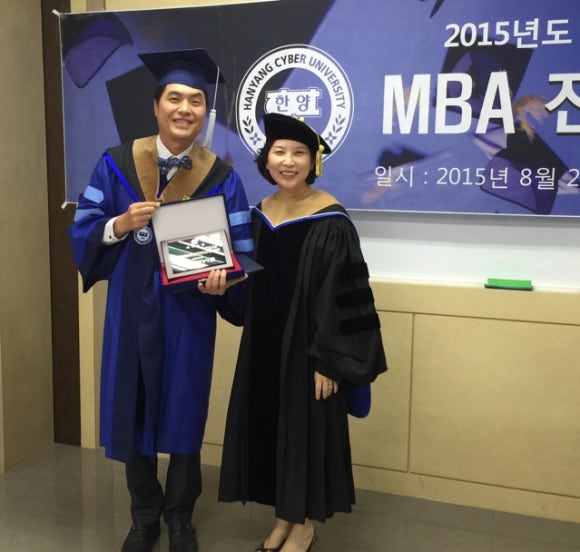
2013년도에 나는 회사를 다니며 MBA로 석사를 취득하고, 석사가 된 후 5년 내로 박사가 되는 목표를 정했었다. 실제로 2015년에 한양대학교 사이버대학원 MBA 과정을 통해 석사를 취득하였고, 나중에는 직장을 떠나 같은 한양대학 일반대학원에서 마케팅 전공 박사과정을 수료했지만, 다시 취직을 하고 코로나가 터지는 등 여러 여건 상 아쉽게도 박사학위는 취득하지 못했다.
하지만 이렇게 목표를 구체적으로 정했었기 때문에, 나의 삶도 목표를 따라 자동적으로 움직이게 되었고 나는 어느 정도 만족스러운 성취를 이루었다고 생각한다.
(2)남들에게 보여줄 만한 저서를 3년 내로 출간한다.
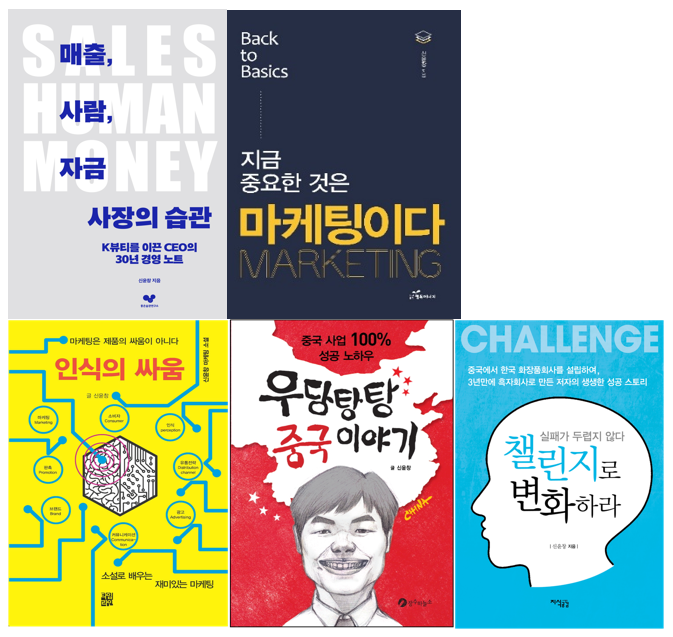
이것 역시 2013년에 수립한 목표였다. 그때는 2015년까지 뭐든 책 한 권만 출간하면 목표달성이었지만, 나는 2015년에 <챌린지로 변화하라>, 2016년에 <우당탕탕 중국이야기>를 출간하여 목표달성을 하였다. 그러나 이후 글쓰는 게 습관이 되어 그후로도 <인식의 싸움>, <지금 중요한 것은 마케팅이다>, <사장의 습관>을 출간하여 어느새 총 5권의 책을 출간하였다.
——————-
Smartphones, smart TVs, and now even smart refrigerators and air conditioners—it is truly the smart era. In fact, the principle of setting SMART goals has been known as a classical rule for a long time, even before these smart devices appeared. Although many people are familiar with SMART goals, they often fail to follow and execute them properly. So, let me explain the five SMART methods of goal setting, derived from the acronym SMART.
(1) Specific: Goals must be specific.
(2) Measurable: Goals must be measurable.
(3) Attainable (Achievable): Goals must be attainable.
(4) Result-Oriented: Goals must be result-focused.
(5) Timely: Goals must have a clear timeframe.
If you simply remember these principles of SMART goal setting, it will not be difficult to establish clear standards for life goals, business goals, or work goals.
(1) Specific – Specific Goals.
A goal must represent a future vision that can realistically be achieved. It should provide direction toward what a team or an individual aspires to accomplish or become in the future. Therefore, goals must be written down specifically and clearly.
Vague goals are like wandering in the fog without knowing the way. If one must travel to Busan, then the reason and purpose for going there must be clear. Based on that, concrete plans can be made—whether to take a plane, a train, or drive directly.
In the same way, corporate goals must be aligned consistently with the company’s vision. If the organizational vision and goals are not clear or aligned, then the goals of subunits, teams, and individual members will also be difficult to define properly.
A team’s goals must always be connected with those of the higher organization, and must be based on a clear analysis of the surrounding environment, with an accurate recognition of problems and the will to overcome them. Otherwise, the goals will be nothing more than abstract ideals or self-centered ambitions that contribute little to the organization.
Life goals follow the same principle. Goals must be set in line with the purpose of realizing future dreams. For this reason, goals should be established when one’s conviction about what one truly wants to do is firm. Only then can more specific goals be set.
My dream was to become the CEO of a company, but I had also set a goal for my post-retirement life—to become a respected lecturer. If I had only vaguely dreamed of becoming a consultant or lecturer after retirement, it would have remained just a vague wish.
So my dream was not merely to become a wealthy or popular speaker, but more specifically to become a respected lecturer who could share knowledge and experience with society and give back part of the earnings.
To achieve such a dream, however, the qualifications of a professional lecturer had to be secured first. Therefore, I set concrete goals long ago to prepare for becoming a lecturer.
(1) Elevate my academic background from a bachelor’s degree in business administration to a doctoral level.
In 2013, while still working, I earned an MBA, and then set a goal to complete a Ph.D. within five years. In fact, in 2015 I earned an MBA from Hanyang Cyber University, and later completed doctoral coursework in marketing at Hanyang University Graduate School. However, due to re-employment and the outbreak of COVID-19, I was unable to complete the Ph.D. dissertation.
Still, because the goal was set so specifically, my life moved naturally in line with it, and I believe I achieved a satisfying level of accomplishment.
(2) Publish a book within three years that others would recognize.
This, too, was a goal set in 2013. At that time, the goal was simply to publish one book by 2015, but I ended up publishing Challenge for Change in 2015 and The Tumultuous Story of China in 2016, thus exceeding my initial target. Later, writing became a habit, and I went on to publish The Battle of Perception, What Matters Now is Marketing, and The CEO’s Habits, bringing the total to five books published.