돈은 자본주의를 구축하는 핵심적인 물건입니다.
자본주의라는 사회체제는 물건을 사려는 사람의 수요와 팔려는 사람의 공급이 자연스럽게 만들어 내는 시장(市場)을 기반으로 움직이는 체제이며, 이의 원활한 운용을 위해 구석구석 돈이라는 것이 돌아야 합니다. 돈은 마치 우리의 온 몸을 돌며 양분과 산소를 공급하고 폐기물을 실어오는 피와 같습니다.
우리 몸의 피는 평소에는 어떤 일을 하는 지 알 수 없지만, 한 곳이라도 흐름이 끊기면 큰 문제가 생기듯 돈도 그렇습니다. 자본주의 사회에 사는 우리도 오랫동안 사용해 온 이 돈이라는 것의 정체를 정확하게 알지 못하고 그저 느낌으로만 좋은 것, 편리한 것 또는 나쁜 것 등으로 규정하고 살고 있습니다.
실제로는 돈이 무엇인지 제대로 모르면서 말이지요.
그렇다면 대관절 돈이라는 것이 무엇이길래 그저 종이 조각에 불과한 것이 사람을 울리고 웃기고, 심지어 죽이고 살리고 하는 것일까요?
Episode 1. 돈의 탄생
옛날 어느 나라에 신이라고 불리는 분이 있었습니다.
이 분은 바로 인간세계를 다스리기 위해서 하늘로부터 오신 현신(現身) 즉, 왕이지요. 왕은 하늘을 대신해서 백성들이 행복하게 살 수 있도록 다스려주시고, 백성들은 왕을 위해 신께 드리는 제사와 함께 공물을 바쳤습니다.
이렇게 옛날에는 무엇을 공물로 바쳤을까요?
바로 한 해 동안 농사지은 곡물과 기르던 가축, 열심히 짠 옷감 등 여러 가지 물건들을 그들을 다스려 주는 신인 왕께 기꺼이 바친 것이에요.
그런데 이렇게 물건으로 공물을 바치다 보니 그 무거운 짐을 지고 왕께서 계신 곳까지 가는 것이 여간 큰 일이 아니었어요.
그래서 항상 백성들의 고통을 고민하던 왕은 한 가지 묘안을 생각해냈지요.
왕은 곧 신전으로 달려가 금과 은을 녹여 일정한 크기의 덩어리로 만들었어요. 그리고 백성들에게 말씀하셨지요.
“보라. 사랑하는 백성들이여. 이것은 돈이라고 하는 것이다. 누구든 이것을 지니고 다니다가 배가 고프면 그 값만큼 음식을 먹을 수도 있고, 얻고 싶은 것이 있으면 그것을 살 수 있도록 고안하였노라. 앞으로는 내게 바치는 공물도 물건이나 곡식이 아닌 이 돈으로 내도록 하여 무거운 짐을 지고 서울까지 오는 수고가 줄도록 하여라.”
이제 백성들은 모두 왕께서 만들어 준 돈으로 물건을 사고 팔기 시작했어요. 그리고 공물도 돈으로 바치게 되었지요. 모든 백성은 돈이라는 편리한 것을 만들어 주신 왕께 감사드렸습니다.
이렇게 최초의 돈은 금처럼 가치가 있는 금속을 녹여 만들었습니다. 돈 모양이든 아니면 그냥 막대기 모양이든 상관없이, 그 무게에 해당하는 가치를 지닌 것이었지요. 돈 그 자체가 바로 가치를 가지고 있었습니다.
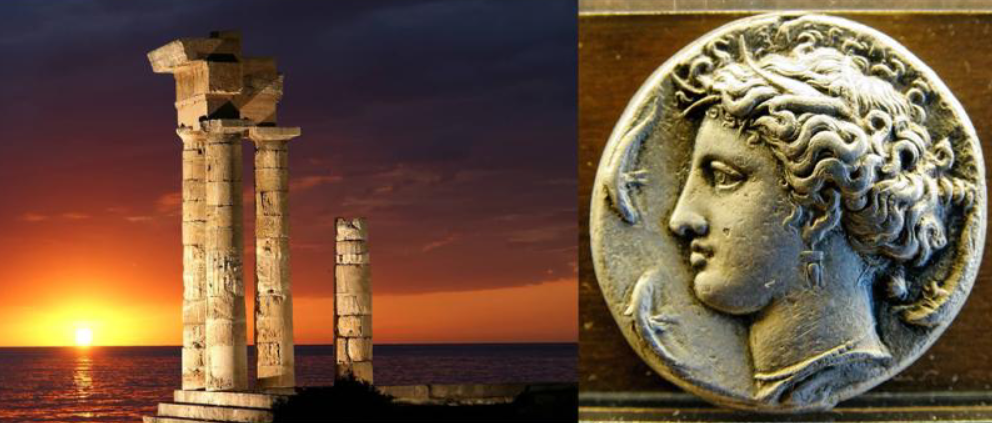
실제로 돈은 고대 그리스 로마시대에 “주노 모네타” 라는 여신의 신전에서 처음 주조했다고 하며, 여신의 이름을 따서 ”Money”라는 이름이 붙었다고도 합니다.
——————
Money constitutes the core instrument that constructs capitalism. A capitalist system operates on markets generated by the natural interaction between demand from buyers and supply from sellers, and for this mechanism to function smoothly, money must circulate through every part of the system. Money behaves like blood in the human body, distributing nutrients and oxygen while transporting waste.
Just as we cannot normally observe the specific tasks that blood performs yet experience severe problems the moment its flow stops, money functions in a similar manner. Although we live within a capitalist society, we have long used money without understanding its true nature, relying only on a vague sense of it being beneficial, convenient, or sometimes harmful.
In reality, we do not properly understand what money actually is.
How can something that is nothing more than a piece of paper make people cry or laugh, or even determine life and death?
Episode 1. The Birth of Money
Long ago, there was a figure regarded as a divine being. This figure was the king—an incarnation sent from the heavens to govern the human world. The king ruled on behalf of the divine so that the people could live in prosperity, and the people offered tributes along with rituals dedicated to heaven.
What, then, did people present as tribute in ancient times?
They offered items such as harvested grain, livestock they had raised, woven cloth, and various goods produced through their labor—willingly dedicating them to the king, who was considered a divine ruler.
However, transporting such tributes in physical form required carrying heavy loads to the place where the king resided, which created considerable hardship.
Concerned about the suffering of his people, the king conceived a solution.
He hurried to the temple and melted gold and silver, casting them into standardized lumps. Then he proclaimed to the people:
“Behold, my beloved people. This is what is called money. Anyone who carries it may obtain food when hungry and purchase whatever goods they desire. I have devised it so that tributes offered to me will also be given in this form rather than in grain or goods, sparing you the burden of carrying heavy loads all the way to the capital.”
The people began using the king’s newly created money to buy and sell goods. They also offered tributes in money rather than physical commodities. All subjects expressed gratitude to the king for creating such a convenient instrument.
The earliest form of money was produced by melting valuable metals such as gold. Regardless of whether it took the shape of a coin or a metal ingot, it held intrinsic value corresponding to its weight. Money itself possessed inherent worth.
Historical accounts indicate that money was first minted at the temple of the Roman goddess Juno Moneta in ancient Greece and Rome, and the term “money” is said to have originated from her name.