Episode 3. 금본위주의와 인플레이션.
세월이 지나고 전쟁에 진 이웃나라 왕이 어느 날 또 싸움을 걸어왔어요. 이번에도 전쟁에 필요한 돈이 조금 모자란 왕은 부끄럽지만 또 부자에게 도움을 요청하려고 했어요.
그런데 곰곰이 생각해 보니 궁전에 아무도 찾으러 오지 않는 부자의 황금이 잔뜩 쌓여 있는데, 굳이 부끄럽게 돈을 빌려달라고 하지 않고 우선 필요한 만큼 쓰면 어떨까? 하는 생각이 들었지요. 만약 전쟁에서 이긴다면 이웃나라에서 배상금을 받아쓴 만큼 채워 두면 될 테고, 그럴 일이야 없겠지만 혹시라도 전쟁에서 진다면 어차피 다 빼앗길 황금이지요.
그래서 왕은 아무도 몰래 가짜 황금보관증을 만들었어요. 그리고 그 가짜 보관증을 사용해서 필요한 전쟁비용으로 썼습니다. 그런데 정말 아무도 모르는 거에요.
어느 누구도 황금보관증이 가짜일 거라고는 꿈에도 생각할 수 없을 테니까요. 거짓이 들통나려면 이 나라에서 보관증을 가진 모든 사람이 한꺼번에 궁전으로 와서 황금으로 바꾸어 달라고 해야 할 텐데 그럴 일은 절대 없겠지요?
이렇게 왕은 가짜 돈을 만들어 전쟁을 했고 결국 또 한번 전쟁에 승리했습니다.
그런데 이상한 일이 벌어지기 시작했습니다.
어제까지는 한 가마에 10만원이던 쌀 가격이 갑자기 슬슬 오르기 시작하더니 12만원이 되었어요. 쌀뿐 아니라 모든 물건의 가격이 이렇게 올라버렸습니다. 그전에는 한번도 이런 일이 없었는데 참으로 이상한 일이 생긴 것입니다. 이것이 바로 가짜 돈이 나오고 그 만큼 돈이 흔해지면서 발생한 인플레이션입니다.
시장은 사려는 사람의 수요와 팔려는 사람의 공급이 일치할 때의 가격을 찾아낼 줄 알아서 돈이 흔해지면 그 만큼 가격을 오르게 합니다. 왕이 자기가 가진 금보다 많은 황금보관증을 만들어 쓰니까 시장이 스스로 보관증의 가치를 떨어뜨려 버린 것이지요. 아무도 모를 거라 생각했지만 시장은 알고 있었습니다. 참 신기하지요?
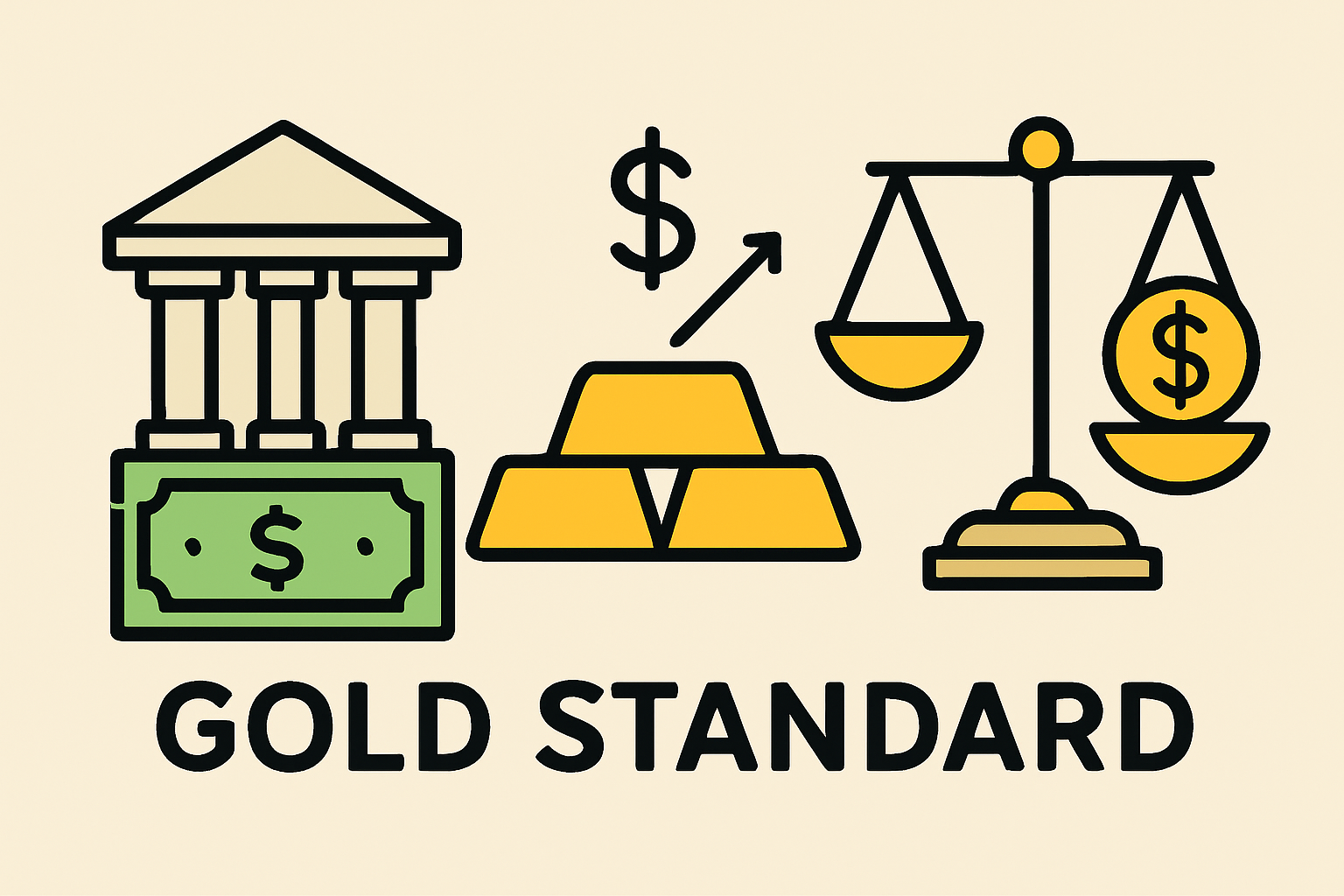
<금본위주의>
돈을 발행하는 은행은 은행이 가지고 있는 금의 가치만큼만 돈을 찍어내어 시장에 공급해야 한다는 이론.
—————–
Birth of the Gold Standard and the Rise of Inflation
As time passed, the defeated neighboring king launched yet another war. The king once again lacked enough funds to wage battle and, though embarrassed, considered seeking help from the wealthy man. But after some thought, he realized that the wealthy man’s gold lay untouched in the palace treasury. Rather than borrowing again, the king wondered if he could simply use a portion of that gold’s value. If he won the war, he could replenish it with the reparations; and if he lost—though unthinkable—everything would be taken anyway.
The king secretly created counterfeit gold deposit certificates. He used these forged certificates to pay for war expenses, and no one noticed. After all, no one imagined the certificates could be fake. The deception would only be exposed if every certificate holder demanded gold from the palace at the same time—a scenario that would never occur.
Using the forged money, the king waged war and won once more.
But strange events began to unfold. The price of rice, which had been 100,000 won per sack the day before, started to rise and soon reached 120,000 won. Not only rice—prices of all goods began climbing. Such a phenomenon had never occurred before. This was inflation triggered by the introduction of counterfeit certificates and the resulting oversupply of money.
Markets naturally determine prices at the point where supply meets demand. When money becomes abundant, prices adjust upward. By issuing certificates beyond the amount of gold he actually possessed, the king diluted the value represented by each certificate, and the market responded by lowering their purchasing power. He believed no one would know—but the market did. Remarkable, isn’t it?
<The Gold Standard>
A monetary principle under which banks issue currency only up to the value of the gold reserves they hold.