위서론자들의 주장에 대해 이덕일은 “그들 비판의 상당 부분이 내용에 대한 충분한 검토 끝에 나온 ‘본질적인 부분’이라기보다는 ‘자구字句의 사용례’에 매달리는 지엽적인 부분에 얽매인 감이 없지 않다”라고 하면서 “굳이 전해진 책을 조작할 필요성은 존재하지 않는다”라고 하였습니다. 그는 또한 “그 숱한 인명, 지명, 연대, 사건을 조작할 수 있다고 하면, 그 사람은 세기적인 대천재이다. 그것은 불가능한 일이다”라고 일축하였습니다. (이덕일-[우리역사의 수수께끼] 48,55쪽)
천안 독립기념관 관장을 역임한 김삼웅은 [환단고기]를 통해 비밀스럽게 감추어진 한국고대사를 재조명하면서, 한국사의 정체를 밝히는 [환단고기]를 전부 거짓으로 간주해서는 안 된다고 주장하였습니다.(김상웅[한국사를 뒤흔든 위서] 30쪽)
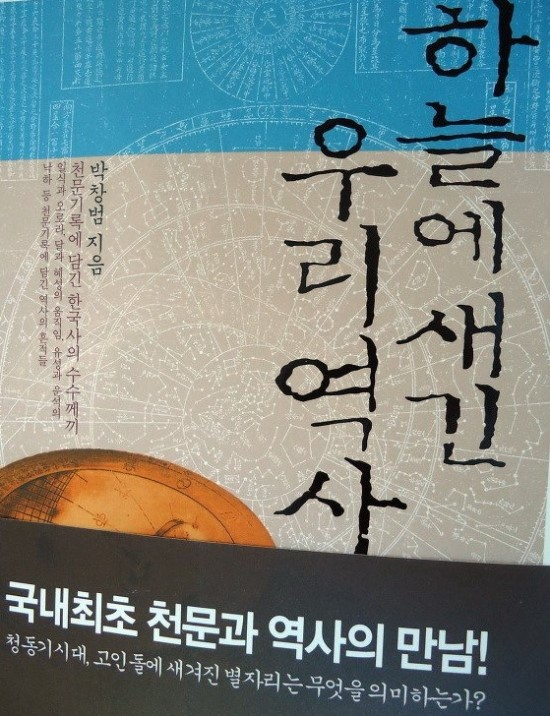
환단고기가 주류 강당사학에서 위서로 몰리고 있던 1993년, 서울대 천문학과 교수 박창범이 고조선 13세 흘달 단군 때 일어난 다섯 행성 결집현상을 컴퓨터로 재현하고 실제 역사 사건으로 증명했습니다. 천문학자 박석재도 이 오성취루 현상이 사실이었고 이러한 천문현상을 임의로 맞춘다는 것은 확률적으로 불가능하므로 우리 조상들은 천문현상을 기록으로 남길 수 있는 조직과 문화를 소유하고 있음을 알 수 있고 이로써 고조선도 실제로 존재했다고 말한 바 있습니다.
위서론자들이 트집을 잡는 근대 용어 문제도 환단고기의 가치를 훼손할 수 없습니다. 인류 문화사에 전하는 경전의 고본을 보면, 그 시대 전문가나 학자에 의해 정서가 되면서 글자가 추가되거나 부분적으로 윤색되는 경우가 종종 있습니다. 후대에 대가가 나오면 문맥을 통하게 하기 위해 글자도 바로잡고 문맥도 바로 잡습니다. 이때 교정한 사람이 살던 당시의 언어로 교정이 되면서 새로운 판본이 나오는 것입니다. 이것은 인류 문화 발전사에서 피할 수 없는 일입니다.
[구약전서]의 유대족 시원 역사(모세오경) 역시 모세가 3천여 년 전에 직접 쓴 이후 많은 보정 작업이 있었습니다.
[팔만대장경]을 비롯한 불경이 그렇고 노자의 도덕경도 그렇습니다.
[장자]는 장자 혼자 쓴 것이 아니라 그 후학들이 보정작업을 하여 내편과 외편으로 편집한 것입니다.
[황제내경]도 4,700년 전에 황제가 쓴 것이 아니라 한나라 때 완성된 것입니다.
전부 후대 사람이 원형을 가지고 보완 작업을 한 것입니다. 그렇다고 해서 누구도 그것을 위서라 매도하거나 조작했다고 하지 않습니다.
[환단고기] 또한 전해지는 과정에서 연대나 일부 내용이 변형되었을 가능성이 있습니다. 그러나 그렇다 할지라도 환단고기의 전체 내용, 즉 천지 광명 역사관, 원형 문화의 틀은 훼손된게 아닙니다. 과거 동서 문화의 고본이 내려오면서 추가되고 변형된 것에 비하면 오히려 약소하다 할 수 있습니다. 게다가 그것을 작업한 사람들은 근세 사람입니다. 그 가운데는 불과 수십 년 전에 세상을 떠난 사람도 있습니다.
이처럼 턱없이 위서론을 전개하는 것은 그들이 신교문화와 신교 세계를 모르기 때문입니다. 환단고기의 내용이 워낙 기존 역사서와 달라서 의심을 하는 것입니다. 그래서 어떤 학자가 위서라고 바람을 넣으면 바이러스에 감염이 된 것처럼 ‘글쎄 그런 것 같다’하고 수긍을 해 버리게 됩니다.
윤명철은 [환단고기]가 진서냐 위서냐 하는 것을 떠나서, “이 책이 한국의 사회 사상계 혹은 대중적인 역사학계에 큰 영향을 끼친 현상은 부인할 수가 없었다”라고 말합니다. 나아가 환단고기가 가져다 주는 “사회적 영향력, 역기능과 순기능을 점검하고 그것이 한국 현대사의 역사발전의 긍적적인 도구로 사용될 수 있도록 진지한 모색을 해야 한다 하고, 송호수, 안창범, 고준환도 환단고기의 모든 내용을 다 조작된 것으로 불신해서는 안된다고 주장합니다.
환단고기는 고대 한중일 삼국의 관계, 북방 유목민족의 발흥 등을 다루는 정치 경제사에서 언어, 문자, 음악, 의식주 등을 다루는 문화사에 이르기까지 역사의 각종 주제를 담고 있습니다. 또한 [환단고기]에는 동북아 원형 문화의 인간론, 신관, 자연관을 전해 주는 신령스러운 이야기가 꽉 들어차 있습니다. 한마디로 정의하면 [환단고기는]는 단순히 인간 중심의 역사서가 아니라 ‘천지 광명의 삼신문화의 역사서’입니다.
때문에 비뚤어진 의식으로는 환단 시대의 시원 문화와 역사가 밝히는 대도의 세계에 결코 접근할 수 없는 것입니다.
————–
Historian Lee Deok-il critiques the arguments of those who label Hwandangogi a pseudohistorical text, noting that “a significant part of their criticism seems to focus on minor language usage issues rather than substantial aspects reached after thorough examination of the content.” He also states that “there is no need to fabricate a transmitted book,” adding that “if someone were truly able to manipulate the countless names, places, dates, and events, they would be a genius of the ages; it’s simply impossible” (The Riddle of Our History, Lee Deok-il, pp. 48, 55).
Kim Sam-ung, former director of the Independence Hall of Korea, re-examined Korea’s ancient history hidden in secrecy through Hwandangogi, arguing that it should not be dismissed entirely as a fabrication due to its illumination of Korean history and identity (The Pseudohistory Shaking Korean History, Kim Sam-ung, p. 30).
In 1993, when mainstream historians were labeling Hwandangogi a forged text, Seoul National University astronomy professor Park Chang-beom used a computer simulation to recreate the alignment of five planets recorded during the reign of Heuldal, the 13th Dangun of Gojoseon, proving it as an actual historical event. Astronomer Park Seok-jae similarly confirmed that this planetary alignment event did indeed take place, stating that the probability of accurately recording such an astronomical phenomenon by chance would be impossible, thereby suggesting that our ancestors had the cultural systems and means to record astronomical events—evidence that Gojoseon did, in fact, exist.
The use of modern terms, which pseudohistory theorists often criticize, does not diminish the value of Hwandangogi. Looking at the ancient texts recorded in human history, it is common for experts or scholars of the time to have edited and added text, sometimes even embellishing certain parts. When a great scholar of later generations edited these works, they were updated for coherence, using contemporary language and yielding a new version of the text. This phenomenon is an inevitable part of the development of human cultural history.
The Old Testament, which includes the origin stories of the Jewish people (the Pentateuch), underwent considerable editorial work since Moses first wrote it over 3,000 years ago. The same is true for the Tripitaka Koreana and other Buddhist scriptures, as well as The Tao Te Ching by Laozi. Zhuangzi was not written solely by Zhuangzi himself but edited by his disciples into an inner and outer compilation. Huangdi Neijing was not written by the Yellow Emperor 4,700 years ago but was instead completed during the Han Dynasty.
All of these texts were edited and supplemented by later generations. Yet no one condemns these works as fabrications or accuses them of manipulation.
It is possible that some dates or details in Hwandangogi were altered over time. However, this does not affect the entirety of Hwandangogi’s content, which is centered around the cosmological view of heaven and earth, nor does it compromise the fundamental framework of its depiction of ancient culture. Compared to the significant additions and changes made to the original texts of Eastern and Western culture, any alterations in Hwandangogi are minor. Furthermore, the individuals who edited the text lived relatively recently, with some having passed away only decades ago.
The insistence on labeling Hwandangogi a fabrication seems largely due to a lack of understanding of Singyo culture and the Singyo worldview. Because the content of Hwandangogi differs significantly from existing histories, skepticism arises. Consequently, when a scholar asserts that it is a forgery, people readily accept this without question, almost as if “infected by a virus.”
Yun Myung-chul notes that, regardless of whether Hwandangogi is authentic or not, “its impact on Korean society, ideological circles, and popular historiography is undeniable.” He further argues that we should carefully examine its “social influence, both its positive and negative impacts, and seriously consider how it could be used as a constructive tool in Korea’s modern historical development.” Scholars Song Ho-su, Ahn Chang-beom, and Ko Joon-hwan also argue against dismissing the entirety of Hwandangogi as fabricated.
Hwandangogi addresses a wide range of historical topics, from the political and economic history of ancient Northeast Asia—including the relationships between ancient Korea, China, and Japan, as well as the rise of northern nomadic tribes—to cultural history, encompassing language, writing, music, and daily life. Furthermore, Hwandangogi is replete with spiritual narratives conveying anthropological, theological, and natural perspectives of the proto-cultural traditions of Northeast Asia. In essence, Hwandangogi is not merely a human-centered historical text but a cosmological history rooted in the Samshin (Three Spirits) philosophy of heaven, earth, and light.
For this reason, those with a distorted view will be unable to understand the profound truth of the ancient cultural and spiritual world illuminated by the era of Hwandangogi.