수석침류(漱石枕流)라는 사자성어가 있다. 해석하면 돌로 양치질하고(漱 양치질 수, 石 돌 석), 흐르는 물을 베개 삼는다(枕 베개 침, 流 흐를 류)는 말이다. 그런데 이것이 말이 되는가? 어찌 돌로 이를 닦고 물을 베개로 사용할 수 있겠는가?
이는 바로 남에게 지기 싫어서 자기가 틀렸는데도 자기 잘못을 인정하지 않고 억지 고집을 부리는 것을 의미하는 것으로, 중국 진서(晉書) 손초전(孫楚傳)에 나오는 일화이다.
진(晉)나라의 손초(孫楚)가 벼슬길에 나가기 전, 젊었을 때의 일이다. 진나라 초엽에는 오랜 전란으로 왕조가 계속 바뀌어 선비들은 현실을 피하여 깊은 산으로 들어가 세상을 등지고 살면서 노장사상(老莊思想)을 얘기하며 지내는 것이 유행할 때였다.
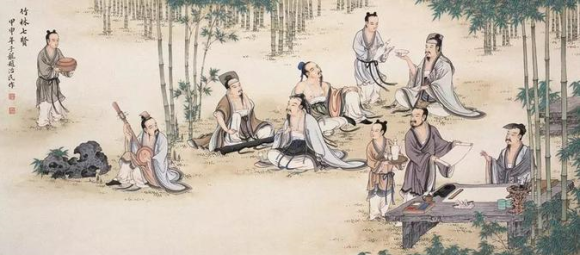
손초(孫楚)도 죽림7현(竹林七賢)처럼 세속을 버리고 산속으로 들어가 생활하려고, 친구인 왕제(王濟)를 불러 그의 속마음을 얘기했다.
“나도 이제는 세상을 떠나 ‘수석침류(漱石枕流), 돌로 양치질을 하고 흐르는 물을 베게로 삼을’ 작정이네”
이 말을 들은 왕제(王濟)가 말했다.
“어이 이 친구야, 자네 말은 ‘침석수유(枕石漱流), 돌을 베개삼고 흐르는 물로 양치하며’ 신선처럼 살겠다는 말 아닌가?”
수석침류(漱石枕流)가 아니라 #침석수유(枕石漱流)가 맞는 말이었다. 하지만 손초(孫楚)는 왕제(王濟)의 말에 자신이 실수했다는 것을 알면서도 억지를 부렸다.
“자네는 너무 고지식하게 듣는군, 내 말은 돌로 양치질하겠다는 것은 모래로 이빨을 닦겠다는 것이고, 물로 베개를 삼겠다는 것은 옛날 은자처럼 쓸데없는 소리를 들었을 때 물로 귀를 씻겠다는 뜻이거늘…”
여기서 유래된 말이 수석침류(漱石枕流)이다. 즉 자신의 실수나 잘못을 깨끗하게 인정하지 않고 변명만 늘어 놓는 것을 의미하는 말이다.
사람들은 이처럼 자신의 잘못을 쉽게 인정하지 못하고 자신에게 유리하도록 스스로를 #합리화 하여, 알게 모르게 책임을 회피하며 남의 탓으로 돌리려는 경향이 있다.
가장 쉬운 얘가 지각하거나 결근했을 때이다. 만약 어제 밤에 술을 마시고 늦었다면 솔직히 그리 얘기하면 될 것을, 이런 저런 다른 탓으로 돌리는 경우도 있다. 나는 이런 점을 잘 참지 못하는 성격이다. 나는 설령 도저히 힘들어서 안될 것 같으면 전화를 걸어 솔직히 말하고 공식적으로 하루 휴가를 내기 때문이다.
하루는 자주 지각하는 팀장 한 명이 또 40분을 지각하고는 내게 말했다.
“죄송합니다. 오늘 차가 너무 막혀 지각했습니다.”
“같은 시간에 나왔는데 오늘따라 차가 유난히 막힌 건가, 아니면 늦게 일어나고 늦게 나와서 차가 많이 막힌 건가?”
내가 묻자 팀장은 주저하듯 쭈삣거리더니 결국 솔직히 말했다.
“죄송합니다. 늦게 일어났습니다.”
“그럼 차가 막힌 것이 원인이 아니라, 늦게 일어난 것이 진짜 원인 아닌가? 근데 왜 교통 핑계를 하나?”
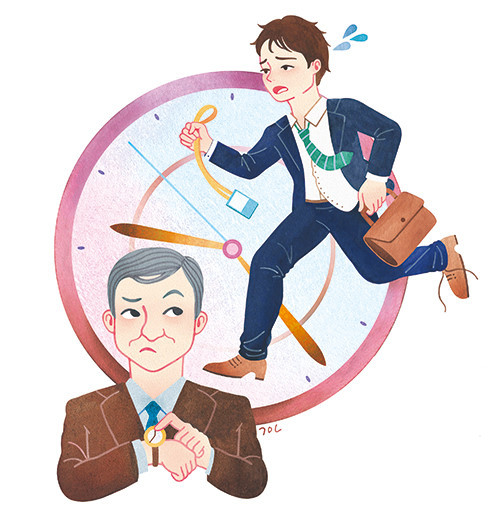
임원이란 사람이 이 정도는 관대하게 넘어갈 수도 있지만, 한마디로 꼰데 짓 하는 것일지도 모르겠다. 하지만 원인은 어제 술을 많이 마셨다는 자기 잘못에 의한 늦잠이고, 교통문제는 과정이며 지각이 그 결과였다. 그런데 사람들은 일반적으로 스스로를 합리화 하여, 자기 탓은 숨기고 애꿎은 교통체증 같은 다른 탓으로 돌리며 근본적인 원인을 외면하고자 한다.
이렇게 매사 원인을 인식하지 못하고 반성하지 못하면, 항상 과정도 제대로 흘러갈 수가 없고 그 결과도 뻔한 일이 된다. 사소한 일이라도 항상 자신의 잘못부터 찾고 반성하며 고치려는 태도가 중요하다. 작은 일을 보면 큰 일도 알 수가 있는 것처럼, 사소한 일을 대충 넘어 가려고 하는 사람에겐 큰 일을 맡길 수가 없기 때문이다.
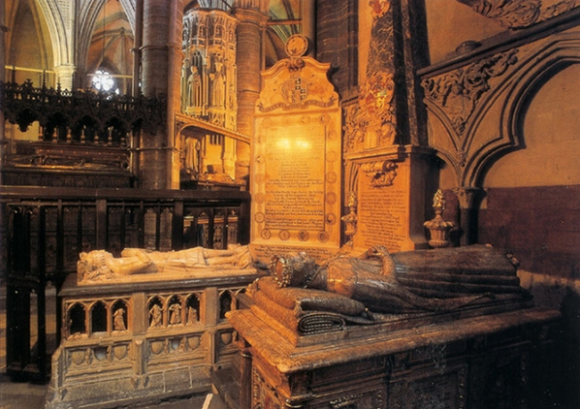
2023년 여름휴가로 영국여행 중에 방문했던 런던의 웨스트민스터 대성당에는 지하묘지가 있다. 아쉽게도 직접 보지는 못했지만, 묘지에 있는 어느 성공회 주교의 무덤 앞에는 아래와 같은 묘비명이 적혀 있다고 한다.
“내가 젊고 자유로워서 상상력에 한계가 없을 때 나는 세상을 변화 시키겠다는 꿈을 가졌었다.
좀더 나이가 들고 지혜를 얻었을 때 나는 세상이 변하지 않으리라는 것을 알았다.
그래서 내 시야를 약간 좁혀 내가 살고 있는 나라를 변화시키겠다고 결심했다.
그러나 그것 역시 불가능한 일이었다.
황혼의 나이가 되었을 때 나는 마지막 시도로,
나와 가장 가까운 내 가족을 변화시키겠다고 마음을 정했다.
그러나 아아, 아무도 달라지지 않았다.
이제 죽음을 맞이하기 위해 자리에 누운 나는 문득 깨닫는다.
만약 내가 내 자신을 먼저 변화시켰더라면,
그것을 보고 내 가족이 변화되었을 것을.
또한 그것에 용기를 얻어 내 나라를 더 좋은 곳으로 바꿀 수 있었을 것을.
그리고 누가 아는가, 세상까지도 변화되었을지를…!”
—————-
There is a four-character idiom called “Suseok Chimryu” (漱石枕流). If we break it down, it means “brushing your teeth with a stone” (漱: to gargle, 石: stone) and “using flowing water as a pillow” (枕: pillow, 流: flowing water). But does this even make sense? How can you brush your teeth with a stone, or use water as a pillow?
This expression actually refers to someone who, despite knowing they are wrong, stubbornly refuses to admit their mistake and continues to argue in a misguided way. It originates from a story in the Jin Shu (晉書), the historical records of the Jin Dynasty, about a man named Sun Chao (孫楚).
Sun Chao, a figure from the early Jin period, lived during a time of continuous warfare and regime change. As a result, many scholars retreated from society, choosing to live in the mountains and embrace Daoist philosophies. This was a time when many people followed the teachings of Laozi and Zhuangzi, seeking to distance themselves from worldly affairs.
Sun Chao, like many others, considered abandoning the world to live a secluded life in the mountains. He confided in his friend, Wang Jie (王濟), saying, “I too am thinking of leaving the world behind and following the path of Suseok Chimryu—to brush my teeth with stones and use flowing water as my pillow.”
Wang Jie responded, “Hey, my friend, what you’re saying sounds like Chimseok Suyu (枕石漱流)—living like an immortal, using stones as a pillow and flowing water to brush your teeth.”
In fact, Suseok Chimryu was not the correct phrase, but Chimseok Suyu was. However, despite realizing his mistake, Sun Chao stubbornly insisted on his version. He argued, “You’re too narrow-minded! What I meant is that brushing my teeth with stones is like brushing with sand, and using water as a pillow is like cleansing my ears when I hear nonsense, as an old sage might do.”
This is how the phrase Suseok Chimryu came to be. It now refers to someone who refuses to admit their mistake and instead makes up excuses to justify their actions.
People often have difficulty acknowledging their mistakes and tend to rationalize their behavior to avoid taking responsibility, shifting the blame onto others instead. A simple example of this is when someone is late or absent. If someone stayed out drinking the night before and is late, they could simply admit it, but instead, they often try to blame external factors. I personally cannot tolerate this. If I’m genuinely too tired or unable to make it, I call and admit it honestly, officially requesting a day off.
One day, a team leader who often arrived late came in 40 minutes late and said to me, “I’m sorry, I was late because of traffic.”
I asked, “We left at the same time—was traffic unusually bad today, or did you wake up late and leave late, causing you to encounter traffic?”
The team leader hesitated, then finally admitted, “I’m sorry, I woke up late.”
I responded, “So, the real reason was not the traffic, but that you woke up late. Why blame the traffic?”
As an executive, I could overlook such a small issue, but it could be seen as a petty act to shift the blame. The real cause was the team leader’s own mistake of staying out drinking the night before and waking up late, while the traffic issue was just a consequence. However, people often rationalize their own faults, hiding them and blaming external factors like traffic, avoiding the fundamental cause of the problem.
If we fail to recognize and reflect on the true cause of things, the process will never go smoothly, and the result will be predictable. It’s crucial to always seek to find our own mistakes, reflect on them, and correct them. Just as you can learn a lot from small matters, someone who overlooks the small details cannot be trusted with larger responsibilities.
During my summer vacation, I visited Westminster Abbey in London, which has an underground cemetery. Although I didn’t see it in person, it’s said that on the grave of an Anglican bishop there is an inscription that reads as follows:
“If I had only changed myself first
When I was young and free and my imagination had no limits,
I dreamed of changing the world.
As I grew older and wiser,
I discovered the world would not change,
So I shortened my sights somewhat
And decided to change only my country.
But it seemed immovable.
As I grew into my twilight years, in one last desperate attempt,
I settled for changing only my family, those closest to me, but alas, they would have none of it.
And now as I lie on my deathbed, I suddenly realize: If I had only changed myself first,
Then by example I might have changed my family.
From their inspiration and encouragement I would then have been able to better my country,
And who knows, I may have even changed the world !”