

중국법인장으로 있을 때, 갑자기 매출규모가 커지면서 자체 처리했던 물류업무를 더 이상 소화할 수가 없게 된 적이 있었다. 나는 대안으로 중국에 진출한 CJ대한통운과 물류 및 배송업무 일체를 아웃소싱하였다. 이런 날이 올 것이란 것을 미리 예측하고 몇 달 전부터 미리 준비했던 것이 다행스럽게도 적기에 이루어져서, 급증한 주문에 따른 물류대란은 피할 수가 있게 되었다.
그런데 이 과정에서 생겼던 문제는 7명의 물류직원이었다. CJ대한통운 측에서 이 직원들을 받아 들일 수가 없다고 해서, 결국 퇴사조치를 해야만 CJ와 거래하면서 발생하게 된 물류비 증가를 어느 정도 줄일 수가 있는 상황이었다.
하지만 이 직원들은 회사에서도 가장 힘든 물류팀에서 한 여름 더위와 한 겨울 맹추위를 견디며, 사무실이 아니라 악조건의 창고에서 어떡하든 고객에게 배송이 늦어지지 않게 하기 위해, 가장 많이 야근도 했고 가장 많이 주말 특근도 많이 한, 회사 발전의 토대가 되었던 직원들이었다.
처음 나는 어쩔 수 없이 CJ대한통운과 계속 일을 해야 할 과장, 대리 두 명만 제외하고 나머지 직원들은 퇴사시키기로 하였다. 그리고 실제로 나머지 사원급들은 퇴사통보도 하였고, 이에 따른 보상문제도 얘기가 다 되었었다. 하지만 마지막에 나는 마음을 바꿨다. 물류관리업무를 하면서 누구보다 제품도 잘 알고 거래선도 잘 알며 회사에 열심이었던 직원들을 냉정히 내보낼 수가 없었다.
이는 내가 중국에서 경영을 하면서 다짐했던 중국에서 존경 받는 회사를 만들겠다던 나의 꿈에도 위배되는 행동이었다. 그리고 분명 그때 당장은 인원이 늘어나고 다소 비효율이 따르더라도, 그들은 언젠가 과거에 그랬듯이 회사와 자신을 위해 맡은 바 책임을 다 할 수 있을 것이라 나는 믿었기 때문에, 나는 그들을 본사 영업부 주문관리팀에 배속시켜 다시 일하게 하였다.
그런데 실제로 얼마 가지 않아, 회사는 매출이 계속 성장하면서 더 많은 직원들이 필요하게 되었기 때문에, 그들의 인건비 부담은 미비하였을뿐만 아니라, 그들이 아니었으면 신입사원을 뽑아 제대로 일하게 되도록 교육하고 육성하는 시간과 비용에 비해 더욱 효율적이게 되었다.

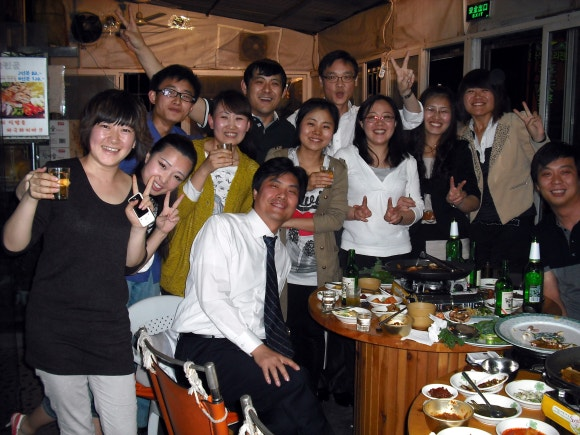
상사가 아니라 진정한 리더가 되고 경영자가 되려면, 단순이 직급이 주는 힘(Positional Power)이 권한의 힘만이 되어서는 안 된다. 리더의 진정한 힘은 직원들을 사랑하고 존중하며 배려해 주는 것에서 나온다. 그리고 이는 직원들과 거리감 없는 커뮤니케이션(Communication)을 통해 이루어질 수 있다.
하루 아침에 조강지처를 헌신짝처럼 쉽게 내 버리지 못하는 것처럼, 부하를 아내처럼 포기하지 않고 사랑하는 것은 존중과 경청을 통해 강력한 소통의 힘을 만들어 준다. 그래야 비로소 상사는 사람을 끌어당기는 매력의 힘을 가지게 되는데, 이는 바로 배우자가 나를 영원히 사랑하게 하는 힘이랑 같은 것이다. 그렇게 배우자의 행복이 바로 나의 행복이 되듯이 부하직원의 성장 또한 상사에겐 더 큰 성장의 기회를 줄 것이다.
혹 결혼하지 않은 미혼자라면 배우자가 아니라 사랑하는 애인이나 친구 가족간의 관계를 되돌아 보기 바란다. 직장에서의 인간관계는 이해관계로 맺어진 2차적인 관계이지만, 이를 반대로 혈연이나 오랜 친구처럼 1차적인 관계로 돌아보려고 노력하면, 상하 간의 관계도 쉽게 포기하지 않는 끈질긴 힘을 가지게 될 것이다.
박해조는 “천국을 낭비하는 사람들”에서 리더는 삿대가 되어야 한다며 말하였다.
“배가 수심이 얕은 곳에 걸려서 나가지 못할 때는 삿대질을 한다. 그럴 때 고마운 것이 삿대이다. 하지만 그 위기를 벗어나 배가 순풍을 만나 쏜살같이 달릴 때, 삿대가 배위에 나타나 이리저리 휘젓고 다니면 배 위에서 아무 일도 못한다. 배가 잘 달릴 때는 삿대는 배 어느 한쪽에 보이지 않게 누워있어야 한다.”
리더는 직접 현장에 나서서 직원들과 함께 땀 흘려가며 어려움을 헤쳐나가야 하지만, 평상시에는 직원들이 스스로 책임감을 가지고 시행착오를 통해 성장할 수 있도록 한 발짝 물러나서 그들을 끈질기게 기다려줄 수 있어야 한다. 그렇다면 그 배는 망망대해에서도 헤매지 않고 목적지를 향해 바르게 나아갈 수 있을 것이다. 그래서 리더십은 인내하고 기다릴 줄 아는 끈기가 필요하다.
—————–
While serving as the head of the China branch, there was a time when the sales volume suddenly surged to a level where our logistics operations could no longer be handled in-house. As an alternative, I outsourced the entire logistics and delivery function to CJ Logistics, which had already established operations in China. Fortunately, I had anticipated this situation and began preparations months in advance, so the transition occurred just in time. This allowed us to avoid a logistical crisis caused by the spike in orders.
However, a new issue arose during this process: the fate of seven logistics employees. CJ Logistics was unable to take them on, and in order to reduce the increased logistics costs that would come from the partnership with CJ, it became necessary to let them go.
These employees had been the foundation of the company’s growth, enduring sweltering summers and freezing winters in the harsh conditions of the warehouse—not a comfortable office—working the most overtime and weekend shifts to ensure that deliveries to customers were never delayed.
At first, I decided to retain only two key staff members—a manager and an assistant manager—who would continue coordinating with CJ Logistics, and lay off the rest. The remaining employees were notified of their termination, and compensation discussions were concluded.
But at the last minute, I changed my mind. I couldn’t bring myself to dismiss employees who knew our products and clients better than anyone and who had shown such dedication to the company.
Doing so would have contradicted my conviction to build a company respected in China, a goal I had firmly set when I began managing there. Although keeping them on meant increased headcount and temporary inefficiencies, I trusted that, as in the past, they would once again fulfill their responsibilities for the benefit of the company and themselves. I reassigned them to the head office’s order management team within the sales department.
Soon after, as the company continued to grow, the need for more staff arose. The burden of their labor costs became negligible, and they proved more efficient than hiring and training new employees from scratch.
To become not merely a superior but a true leader and manager, one must not rely solely on positional power. True leadership stems from love, respect, and care for employees. This kind of leadership can only be achieved through open, barrier-free communication.
Just as one cannot cast aside a devoted spouse overnight, a leader who treats subordinates with affection and refuses to give up on them fosters powerful communication through respect and attentive listening. Only then does a superior gain the kind of charismatic influence that attracts people—akin to the force that binds a lifelong partner. Just as a spouse’s happiness becomes one’s own, the growth of subordinates becomes a source of greater growth for the leader.
If one is unmarried, consider the relationships with a beloved partner, friend, or family member. Although workplace relationships are secondary, driven by mutual interest, trying to regard them as primary relationships—like those of family or old friends—helps build tenacity in not giving up on one another.
In The People Who Waste Heaven, Park Hae-jo wrote that a leader must be like a pole (삿대).
“When a boat is stuck in shallow waters, the pole is used to push it forward. In such times, the pole is precious. But once the boat is freed and races ahead with the tailwind, if the pole continues waving about on the deck, it becomes an obstruction. When the boat is sailing smoothly, the pole must lie quietly to the side, out of sight.”
A leader must step into the field and sweat alongside employees to overcome difficulties. But in ordinary times, the leader should step back and allow the employees to take ownership, make mistakes, and grow. By waiting patiently, the boat (organization) can continue sailing straight even on the vast, open sea. That is why true leadership requires perseverance and the patience to wait.