

남원북철(南辕北辙)이라는 사자성어가 있다. 수레는 남쪽으로 향하면서 바퀴자국은 북쪽으로 난다는 말도 안 되는 글이다. 즉 남원북철이란 마음은 남쪽으로 가려는 사람이 북쪽으로 수레를 몬다는 말로써, 행동과 목적이 서로 맞지 않거나, 일의 결과가 의도와는 반대로 진행되는 상황을 의미하는 황당한 이야기이다.
하지만 남원북철은 중국 전국시대에 계량이라는 사람이 일의 방향의 중요성을 아뢰기 위해, 위나라 국왕에게 간언한 매우 의미 깊은 내용을 담고 있다.
한 노인이 남쪽의 초나라로 간다 하면서 반대인 북쪽으로 수레를 모는 것을 보고, 계량이 그 길은 반대의 길이라 알려 주었으나, 그 노인은 걱정 말라며, 자기에겐 훌륭한 명마가 있다고 말했다. 계량이 그래도 그 길은 잘못되었다고 재차, 삼차 말해도, 노인은 여비도 풍족하고, 수레를 잘 모는 마부도 있으니 염려할 게 없다며 고집을 부리며 계속 북쪽으로 향했다 한다.
계량은 이 이야기를 하며 위나라 왕에게 말했다.
“대왕님, 초나라로 간다는 이 사람은 비록 잘 달리는 말, 충분한 여비, 출중한 마부가 있다 한들, 방향이 틀렸으니 영원히 초나라에 도착할 수 없을 것입니다. 오히려 말이 좋을수록, 여비가 많을수록, 마부가 수레를 잘 몰수록 초나라와는 더욱 멀어지게 될 것입니다”
목표를 정하고 달리면 그만큼 목표에 가까워져야 하나, 제대로 된 방향과 목적이 없으면, 잘못된 계획을 세우게 되어 오히려 더 멀어질 수가 있다. 따라서 매사를 생각이 아니라 계획에 따라 행동해야 한다. 생각은 목표를 향했는데, 계획이 정 반대이면 초나라를 향해 북쪽으로 수레를 모는 노인처럼 엉뚱한 길에 도달 할 것이다.

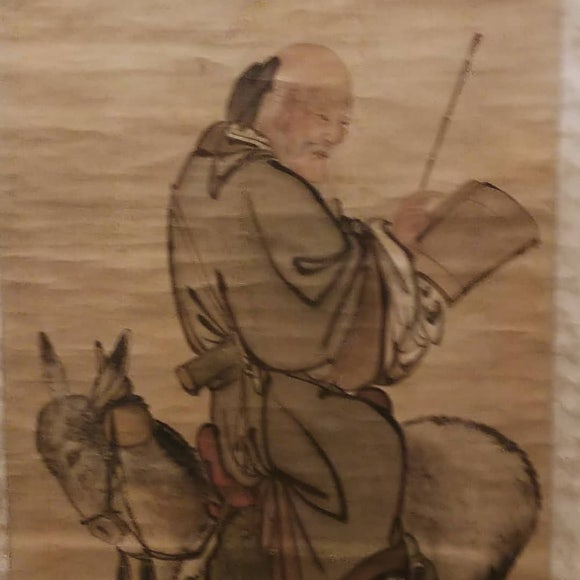
아무리 열심히 일하고 부지런하더라도, 아무리 많은 돈을 투자할 여력이 있고 훌륭한 부하 직원이 있어도, 윗 사람이 잘못된 방향의 계획을 제시하면 엉뚱한 길로 갈 수 밖에 없는 것이다.
목표를 향해 가는 계획은 명확한 목적에 따라 세부적이고 구체적이며, 여러 방면에 균형 잡힌 실행을 하기 위한 계획이어야 한다.
특히 회사의 목표달성을 위한 실적만이 아니라, 고객을 만족시키고 있는지, 회사의 내부 업무 프로세스와 시스템에 부합되어, 효율적으로 업무가 돌아갈 수 있거나 그 프로세스를 더욱 개선할 수 있는지, 직원들이 일을 통해 발전하고 성장할 수 있는지 등이 고려된, 장기적인 목적에 부합된 균형 잡힌 계획이 되어야 한다. 그것이 바로 장기적으로 지속가능한 성과와 함께, 조직과 개인의 성장도 함께 가져올 수 있는 것이다.
세네카는 말했다.
“목적이 없으면 계획은 어구러질 수밖에 없다. 목적 하는 항구의 방향을 모른다면 모든 바람이 역풍일 테니까.”
There is a Chinese idiom, 南辕北辙 (Namwonbukcheol), which literally means “the carriage is heading south, but the wheel tracks lead north.” It describes an absurd situation where one’s actions and goals are completely misaligned, resulting in outcomes contrary to one’s intentions.
This idiom originates from the Warring States period in China, where a man named Jiyang shared a story to emphasize the importance of direction when advising the king of Wei.
The story tells of an old man who claimed he was heading to the southern state of Chu but drove his carriage northward instead. When Jiyang pointed out that the road was in the opposite direction, the old man insisted there was no need to worry because he had excellent horses. Even after repeated warnings that the path was wrong, the old man stubbornly argued that he had sufficient funds for travel and an outstanding coachman, so there was nothing to fear—continuing northward regardless.
Jiyang then said to the king of Wei:
“Your Majesty, this man who claims to be going to Chu will never arrive there, no matter how fine his horses, how abundant his funds, or how skilled his coachman. Because his direction is wrong, the better his horses, the greater his resources, and the more skilled his coachman, the farther away he will end up from Chu.”
When one sets a goal and begins moving toward it, one should naturally grow closer to achieving it. But without the right direction and purpose, a flawed plan will only lead further away. Therefore, every action must be based not just on thought but on sound planning. If the mind is set on the goal but the plan moves in the opposite direction, one will end up like the old man heading north when his destination was Chu.
No matter how hard one works, no matter how much capital is available, and no matter how capable the subordinates may be, if leadership sets a misguided plan, the organization inevitably moves down the wrong path.
Plans for achieving goals must therefore be detailed, specific, and oriented toward a clear purpose, while ensuring balance across different dimensions of execution.
In particular, a company’s plan should not only focus on performance outcomes but also consider whether customers are truly satisfied, whether internal processes and systems operate efficiently or can be improved, and whether employees can develop and grow through their work. Only such long-term, balanced planning can yield sustainable performance while enabling the growth of both the organization and its people.
As Seneca once said:
“Without a goal, plans will collapse. If one does not know to which harbor one is sailing, then no wind will be favorable.”