

LG생명과학 마케팅전략 팀장으로 근무하였을 때였다. 입사 당시 마케팅전략팀은 신생팀으로서 정확한 역할과 책임(R&R-Role & Responsibility)이 불명확하였지만, 내가 CEO에게 간단하게 직접 하달 받은 요지는 R&D와 고객을 연결해주는 가교가 되어 달라는 것이었다.
주로 의사가 처방하는 전문의약품을 생산 판매하는 LG생명과학에서, 의약품 전문지식도 없고 소비자용 화장품 등의 마케팅을 했던 내가 주변의 많은 반대를 무릅쓰고 CEO의 전격적인 발탁에 의해 취직한 것도 놀라운 일이었지만, 40대 중반의 나이에 전혀 모르는 분야의 산업으로 회사를 옮기기로 결정한 것도 나름 냉철한 분석에 의해 선택한 용기 있는 결정이었다.
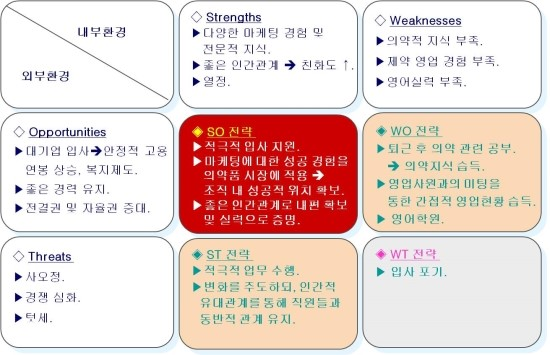
나는 지금도 그때 만들었던 내 이름 석자를 브랜드로 하여 만든 SWOT분석을 퍼스널 마케팅 교육 사례로 활용하고 있다. 약국에서 파는 게보린이나 인사돌 같은 소비자를 대상으로 하는 일반의약품이 아닌 의사가 처방하는 전문의약품 이라는 생소하고 어려운 시장과, 내부적으로도 경쟁이 치열한 대기업에 그것도 팀원(차장)으로 백의종군하듯 들어가서 나는 어떤 경쟁력으로 살아남을 수 있을까에 대한 깊은 생각과 판단에 대한 SWOT 분석이었다.
그 결과 내 이성은 차갑게 일말의 가능성을 제기하였고, 나의 용기는 새로운 도전에 대한 뜨거운 열정을 불러 일으켰다.

그리고 무엇보다도 취직 후 나의 계속되는 도전은 기존의 여러 조직과 사람들에게 반향을 일으키기도 했다. 먼저 나는 LG생명과학이 LG화학 의약품사업부에서 연구개발로 태동하여 분사한 회사로서, 철저히 R&D 중심으로 돌아가는 조직으로 움직이고 있다는 사실을 뒤늦게 알고는 매우 놀랐다.
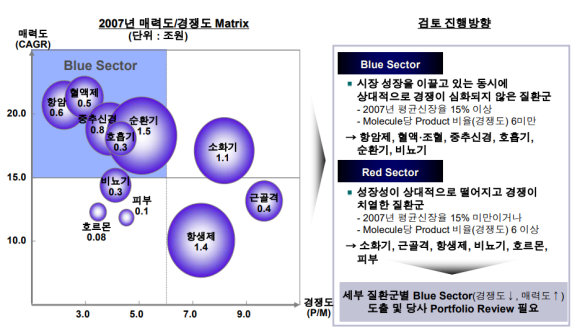
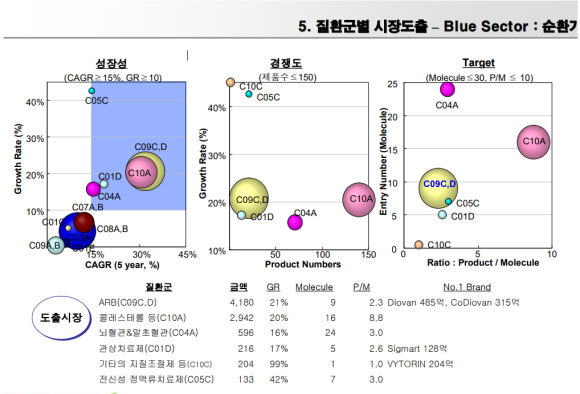
R&D와 사업개발팀에서 연구하거나 검토하는 과제들이 시장성 평가도 제대로 되지 않은 채, 막대한 자금이 투여되어 진행되는 것을 보고 마치 딴 세상에 온 것만 같았다. 그러다 보니 시장 중심의 제품관리(PPM-Product Portfolio Management)가 이루어지지 않아, 어떤 분야에는 불필요한 제품들이 많았고, 어떤 분야에는 계란을 한 바구니에만 담은 듯이 한 품목에 대한 의존도가 너무 커서, 자칫 제품 하나의 흥망성쇠에 따라 회사가 좌지우지될 수도 있는 위험이 도사리고 있었다.
그래서 내가 제일 처음 한 일은 R&D와 사업개발팀이 계획하고 있는 미래의 제품에 대해 시장조사와 분석을 통해 시장성 평가를 하는 일이었다. 마케팅전략팀의 모든 구성원은 회사의 미래전략에 중요한 사명과도 같은 일임을 자각하고, 매우 열정적으로 전문 의사들과 인터뷰를 하고 다양한 자료를 수집, 분석해서 지속적으로 의견을 제시하였다.

그런데 문제는 그 다음이었다. 자신의 전문성이라는 고집이 아집처럼 뭉쳐 있던 연구원들이나 사업개발부 직원들은 처음엔 우리의 얘기를 귀담아들으려 하지 않았다.
입사 후 처음으로 내가 의견을 발표하였던 시간에, 한 R&D 임원이 한 말이 지금도 생각난다.
“그건 생활용품에서나 하는 일이고…, 제약시장은 틀려! 당신이 아직 이 시장을 몰라서 하는 말이야~!”
순간 나는 말문이 막혀 더 이상 대꾸를 하지 못했다. 아직 준비가 덜 된 상황에서 과거 경험과 감각에 의존하여 무모하게 던졌던 한마디는 무참하게 즉석에서 짓밟혀 버렸다.
그 후 나는 불철주야로 회사에서 제공하는 기초의학, 약동학 등을 공부하는 한편, 너무도 생소해 마치 다른 나라의 언어 같았던 수많은 의학약어들을 정리하여 암기하였다. 그리고 약 2개월이 지나서 사람들은 자신들에게 분석적 판단에 의거하여 공통된 언어로 얘기하는 나에게 놀라기 시작했으며, 나와 팀원들은 자신 있게 회사에서 열정을 불사를 수 있었다.

그리고 1년이 지나자 마케팅전략팀은 회사의 주요 전략과제에서 없어서는 안될 팀으로 자리매김하게 되었으며, 점차 그 업무영역도 확대되었다. 그러자 한번은 술자리에서 사업개발팀 과장 한 명이 내게 말했다.
“이곳이 무슨 서부개척시대인 줄 압니까? 넓은 땅덩어리 깃발만 꽂으면 다 자기 땅인가요?”
마케팅전략팀이 자꾸만 사업개발팀의 업무영역을 침범하는 것에 대한 불만의 소리였다. 나는 웃으며 대답하였다.
“아니지, 오히려 깃발만 꽂고 제대로 개간하지도 않고, 내 땅이라고 버려 두는 것이 문제지. 어찌 그 곳을 그냥 내버려 둘 수 있는 거지? 나는 남의 땅에 침범하고 싶지도 않고 그 땅을 차지하고 싶은 욕심도 없네. 단지 놀리고 있는 땅이 있다면 쓸모 있게 만들어야 하지 않나 싶을 뿐이야. 그러니 그 곳이 그쪽 땅이라고 주장하면, 그냥 내가 개간해서 다시 줄게.”
우리는 어릴 때부터 자라면서 “이거 하면 잘하겠다. 이거 한번 해보라. 참 잘했다.”라는 소리보다 “이러면 안 된다. 왜 그런 것도 못하니?” 등, 긍정적인 소리보다 부정적이고 하지 말라는 소리를, 학교에서나 집에서나 계속 들으며 자라왔다. 더욱이 한창 꽃피울 청춘의 나이에 군대라는 최악의 조직에 들어가, 또 다시 하면 안되고 무조건적인 통제와 복종만이 살 수 있는 길임을 강요 받았다.
우리나라의 전통적인 유교적 문화와 군사적 교육방식은 회사에서도 관리와 통제라는 괴물 같은 관습을 만들어내어, 지금까지 한국 대부분의 기업은 창의와 도전에 투자하는 것보다 효율성, 합리성에 투자해왔고, 우리는 해야 하는 것보다 하면 안 되는 것에 더욱 익숙해져 왔다. 그리고 이런 관습은 몸 속의 기생충처럼 점점 크게 자란 ‘대충’을 만들어 우리의 열정을 서서히 갉아먹게 되었다.
우리에게 인천 상륙작전으로 유명한 맥아더 장군은 이렇게 말했다.
“세월은 피부를 주름지게 하지만, 열정을 저버리는 것은 영혼을 주름지게 한다.”
나보다 더 똑똑하고 학벌도 좋으며 전문적이고 이성적 능력으로 똘똘 뭉친 사업개발팀 사람들은 벗어날 수 없는 관습에 지배 받으며, 어쩌면 자신의 프로젝트가 사라질지도 모르는 두려움에 고객의 눈으로 바라보는 관점을 잃게 되었을지도 모른다. 그러다 보니 상급자가 하라는 일을 거부할 수 있는 용기도 사라졌으며, 무엇보다도 하기 힘들고 고단한 시장조사업무 등도 회피하여, 그들 대신에 번거로운 일을 해주는 마케팅전략팀에 자신도 모르게 슬쩍 업무를 넘기고 말았던 것이다.
그 모든 것은 열정이 부족했기 때문이었다. 그것이 그 팀과 마케팅전략팀의 차이였다.
—————-
This was during my time as Marketing Strategy Team Leader at LG Life Sciences. At the time of my joining, the Marketing Strategy Team was newly formed, and its roles and responsibilities (R&R) were unclear. However, the simple instruction I received directly from the CEO was to become a bridge connecting R&D and customers.
It was surprising enough that I, who lacked pharmaceutical knowledge and had experience marketing consumer products like cosmetics, was appointed by the CEO despite much opposition. But it was also a bold decision, based on careful analysis, for me to transfer to an entirely unfamiliar industry at the age of my mid-40s.
Even now, I use the SWOT analysis I created under my own name as an example in personal marketing training. It was a SWOT analysis based on deep reflection and judgment about how I could survive in a highly competitive large corporation, not as a general over-the-counter product like Gabrin or Insadol, but in the unfamiliar and challenging prescription drug market, where doctors prescribe the medications.
As a result, my rational mind coolly identified a possibility, and my courage ignited a passionate desire to take on the new challenge.
Above all, after joining the company, my continuous challenges created a ripple effect across various departments and people. I was initially surprised to learn that LG Life Sciences, a company that spun off from LG Chem’s pharmaceutical division, operated as a strictly R&D-centered organization.
I was taken aback to see projects researched or reviewed by the R&D and Business Development teams proceed with significant investment, often without proper market assessment, making it seem like I had entered a completely different world. Consequently, without market-centered product management (PPM), there were unnecessary products in some areas, while in others, the company relied too heavily on a single product, posing the risk that the company’s fate could depend on the success or failure of that product.
The first thing I did was conduct market research and analysis to evaluate the marketability of future products planned by R&D and the Business Development team. Every member of the Marketing Strategy Team recognized that this was a critical mission for the company’s future strategy and passionately interviewed experts, collected diverse data, and continuously provided their analysis and opinions.
However, the problem arose afterward. The researchers and business development staff, whose professionalism had hardened into obstinacy, were initially unwilling to listen to our suggestions.
I still remember the words of one R&D executive when I first presented my opinion after joining the company. He said, “That kind of thing is only done in consumer goods… The pharmaceutical market is different! You’re saying that because you don’t know this market yet!”
At that moment, I was at a loss for words and couldn’t respond. My unprepared, reckless remark based on past experience and intuition was instantly crushed on the spot.
From that moment, I spent countless hours studying basic medical science and pharmacokinetics provided by the company. I organized and memorized the many medical abbreviations that were so unfamiliar they felt like another language. After about two months, people began to be surprised by my ability to communicate with them in a common language based on analytical judgment. My team and I were now confidently igniting our passion within the company.
After a year, the Marketing Strategy Team had established itself as an indispensable team for the company’s key strategic projects, and the scope of our responsibilities gradually expanded. One day, during a gathering, a manager from the Business Development Team said to me, “Do you think this is the Wild West? Just because you plant a flag in a large plot of land doesn’t mean it’s all yours.”
It was a complaint about the Marketing Strategy Team encroaching on the Business Development Team’s territory. I responded with a smile:
“No, the problem is that you’ve planted the flag but haven’t cultivated the land properly. How can you just leave it untouched? I don’t want to encroach on someone else’s land, nor do I desire to claim it. I just think if there’s idle land, it should be made useful. So, if you insist that the land is yours, I’ll just cultivate it and give it back to you.”
We grow up hearing more about what we shouldn’t do rather than encouragement, both at school and at home. And during our youth, we enter the military, where we are once again forced into unconditional control and obedience.
Our country’s traditional Confucian culture and military-style education have fostered a management and control-oriented environment within companies, and most Korean companies have invested more in efficiency and rationality than in creativity and challenge. We’ve grown more accustomed to “don’t do this” than “you should do this,” and this culture has fostered a complacency that gradually erodes our passion, like a parasite growing inside us.
General Douglas MacArthur, famous for the Incheon landing, once said, “Age wrinkles the body, but giving up enthusiasm wrinkles the soul.”
The business development team, composed of people smarter, better-educated, and more logical than me, might have lost the customer’s perspective, overwhelmed by the traditional practices they couldn’t escape and the fear that their projects might disappear. They lost the courage to reject what their superiors told them to do. Moreover, they avoided difficult and strenuous tasks like market research, subconsciously passing those burdensome responsibilities to the Marketing Strategy Team.
All of this stemmed from a lack of passion. That was the key difference between their team and the Marketing Strategy Team.