할리우드 컨셉 디자이너인 스티브 정이 <최고가 되려면 최고를 만나게 하라>에서 그의 성공 비결에 대하여 다음과 같이 말했다.
결핍이 나를 열정적으로 일하게 만들었다. 너무 가난해 제약이 너무 많았고, 기회가 충분히 채워지지 않았다. 그러다 보니 내 몸에서 ‘해보고 싶다’, ‘이루고 싶다’라는 간절함이 넘쳐났다. 결핍이야말로 성장을 가져다주는 가장 센 동력이다.
과거엔 헝그리 정신이란 말이 있었다. 가난한 농부의 아들과 딸로 태어나 가난을 더 이상 다음 대까지 물려주지 않겠다는 절실함으로, 맨 손으로 시작하여 자수성가한 성공 스토리도 많았다. 라면으로 때우며 육상 챔피언이 된 사람도 있고, 온갖 잡일을 하며 수백 번의 오디션의 낙방 끝에 지금은 스타가 된 사람들도 있다.
나도 한국전쟁 때 북한인 고향과 가족을 버리고 홀로 남한으로 이주하신 아버지 밑에서 1960년대에 태어나서, 그 시절 가난을 어린 마음에도 뼈저리게 느꼈었다. 그 때는 모든 것이 부족하고 절실했던 시절이었다. 하지만 지금 와서 반대로 생각하면 기회도 많았던 시절이었다.
상당 수의 초대 대기업 오너들은 60~70년대 발전과 성장의 기회가 넘쳐났던 우리나라에서 #절실함 과 절박함으로 무장된 열정 하나로 기회를 움켜잡고 끈질긴 노력으로 기업을 일구어냈다. 시대가 그럴 수밖에 없게 만들었고, 또 그래야 먹고 살 수 있었던 시대였다.
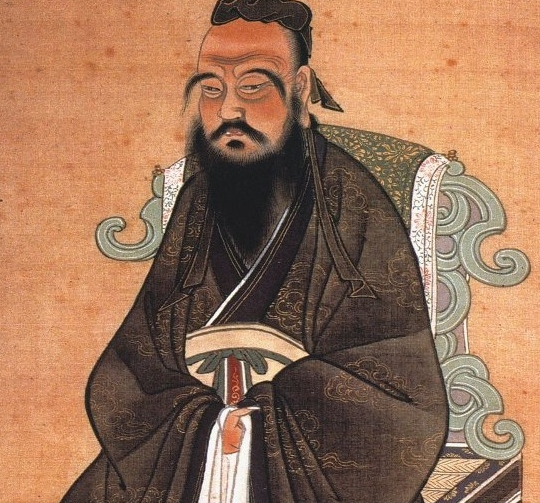
공자는 논어(論語)에서 “군자는 힘들고 궁한 상황에서 위대한 답을 찾아낸다”고 하며, 군자고궁(君子固窮)이란 말을 했다. 또한 주역에서는 궁즉변 변즉통 통즉구(窮卽變, 變卽通, 通卽久)라 하여, “궁하면 변하고, 변하면 통하며, 통하면 영원할 것”이라 하였다. 바로 절실하면 문제를 해결할 수 있는 훌륭한 대안을 만들어낼 수 있다는 말이다.
그러나 빠른 경제성장으로 우리나라는 어느새 선진국의 반열에 오를 정도로 경제적 부를 축적하였다. 우리 부모님 세대, 할아버지 세대의 헌신과 노력과 고생은 그들의 바람대로 후대에게 경제적 여유를 물려주게 되었지만, 상대적으로 절실한 어려움 끝에 이루는 도전 정신은 점차 사라져가고 있다.
물론 지금 청년들은 대학을 졸업해도 취직자리가 없어서 취업에 매우 절실하다고 한다. 하지만 지원자가 없어서 사람 한 명 뽑기도 너무 힘든 중소기업을 경영하는 나의 상황을 볼 때, 과연 대기업이나 공무원을 꿈꾸는 청년들이 진정으로 취업이 절실한 마음인지는 잘 모르겠다.
대기업 팀장시절 경력직원 한 명을 뽑으려고 했었는데, 지원자가 300명이 넘었다. 1차적으로 인사팀에서 회사의 기준으로 서류 검토를 해서 200명을 떨어트렸고, 내게 100명의 서류가 온 적이 있었다. 솔직히 일이 바빠서 100명의 서류를 일일이 볼 여력도 없었다. 그저 학력, 경력만 보고 걸러낼 수밖에 없었다. 나는 그 중에서 10명을 면접을 보고 단 한 명만 뽑았다. 나머지 지원자 300여 명의 사람들이 어떤 사람인지는 정확히 알 수도 없었다. 아마도 지금도 대기업에 취업을 못하는 많은 청년들이 이런 경우에 해당될지도 모르겠다.
그러니 다음 단계인 면접에서, 지원자들의 스펙은 더 이상 중요한 것이 아니었다. 다만 마케팅 부서장이었던 내겐 전공은 그리 중요한 편은 아니었다. 내 경험 상으로는 어차피 내게 처음부터 다시 배워야 했기 때문이다. 물론 중소기업 경영자인 지금은 학벌도 별로 중요하지 않다. 과거나 지금이나 내게 가장 중요한 것은 더 빨리 배우고 깨우치며 몸으로 실행할 수 있는 열정과 바른 태도이다. 물질적으로 풍요로워진 요즘 시대의 젊은이들에게 절실함은 물질적인 것이 아닌 마음가짐이며, 일에 임하는 자세일 것이라 생각하기 때문이다.
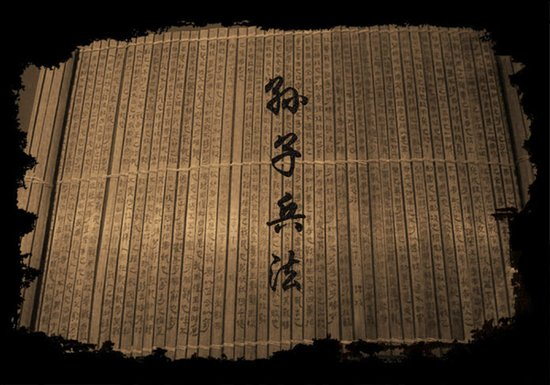
손자병법 구지(九地)편에는 무기나 군수물자가 아니라 더 이상 물러날 곳이 없다는 절박감이 전쟁에서 승리를 가져올 수도 있다는 내용으로 분주파부(焚舟破釜)라는 말이 나온다. 배(舟)를 불태우고(焚), 솥(釜)을 깨트린다(破)는 뜻인 분주파부는 전투에 지면 타고 돌아갈 배도 없고, 더 이상 밥을 해 먹을 솥도 없다는 절실한 상황이 만들어지면 병사들은 오로지 승리를 위해 목숨을 걸고 싸우게 된다는 것이다.
이와 비슷한 내용으로 같은 손자병법 구지편에 등고거제(登高去梯)란 말도 나온다. 전투 날짜가 결정되면 마치 높은 곳(高)에 올려놓고(登) 사다리(梯)를 치우듯이(去)해야, 절실함 속으로 자신을 던져 이번 전쟁에 지면 더 이상 선택의 여지가 없다는 불굴의 정신력을 갖추게 된다는 뜻이다.
실제로 자신을 이렇게 몰아붙이란 말이 아니다. 원하는 것을 이루기 위해선 그런 마음가짐과 자세의 절실함이 필요하다는 것이다.
———–
Steve Jung, a Hollywood concept designer, shared the secret to his success in his book Meet the Best to Become the Best:
“It was deprivation that drove me to work passionately. I was so poor, and the constraints were overwhelming, leaving me with very few opportunities. This scarcity filled me with a desperate longing to try and achieve something. Deprivation is, indeed, the most powerful driver of growth.”
In the past, we often heard the term “hungry spirit.” Many success stories were born out of desperation, with individuals determined not to pass down poverty to the next generation. Some became champions despite surviving on instant noodles, and others, after enduring countless rejections, eventually became stars.
I, too, was born in the 1960s under a father who had fled his home and family in North Korea during the Korean War to settle in South Korea. As a child, I acutely felt the pangs of poverty. It was an era of scarcity and desperate needs. Yet, in retrospect, it was also a time brimming with opportunities.
Many founders of leading conglomerates today seized opportunities in the developmental surge of the 1960s and 70s, fueled by desperation and armed with relentless passion. The era demanded such resilience, as survival depended on it.
Confucius once said in The Analects, “A true gentleman finds great answers in times of hardship,” expressing the concept of junzigojung (君子固窮). Similarly, the I Ching teaches, “When in dire straits, change; when changed, one becomes unblocked; when unblocked, one endures” (窮卽變, 變卽通, 通卽久). This underscores that desperation fosters solutions and alternatives.
However, with rapid economic growth, Korea has accumulated enough wealth to be recognized as a developed nation. The sacrifices and hardships of the older generations have indeed granted financial comfort to their descendants. Yet, the fervent spirit of challenge born out of desperate struggles seems to be fading.
Today’s youth claim they are desperate for jobs, unable to find employment even after graduating from college. Yet, as a small business owner struggling to hire even one person due to a lack of applicants, I question whether these young people truly feel the desperation they claim, especially those aspiring to join conglomerates or become civil servants.
During my time as a team leader in a large corporation, we once received over 300 applications for a single experienced position. HR screened out 200 candidates based on the company’s criteria, leaving me with 100 resumes. Frankly, I was too busy to thoroughly review each one, so I filtered candidates based on education and experience. Ultimately, I interviewed ten people and hired just one. Many of the young people struggling to get jobs today might fall into this category.
In the interview stage, candidates’ resumes no longer mattered. As the head of the marketing department, academic background was of little importance since I believed they would need to learn from scratch under my guidance. Even now, as a small business owner, educational background is not a priority. What matters most is the passion to learn quickly and execute diligently, along with the right attitude. I believe that, in today’s era of material abundance, desperation is no longer about physical need but about mindset and approach to work.
In the Art of War, the chapter “Nine Terrains” emphasizes that victory can stem not from weapons or supplies but from the desperation of having no retreat. The phrase burn the boats and break the cauldrons (焚舟破釜) illustrates this concept: burning the boats and breaking the cooking pots leaves soldiers with no option but to fight to the death for victory.
Similarly, the phrase denggo geoche (登高去梯), also from the Art of War, conveys that once a battle date is set, one must remove the ladder after climbing to a high place. This act fosters an unyielding spirit, with no choice but to win.
This is not a call to push oneself to the brink. Rather, it’s about adopting a mindset of desperation and resolve to achieve one’s goals.