

인간관계에서 가장 좋지 않은 태도는 자신의 잘못을 인정하지 않고 불평불만과 함께 남을 비난하는 것이다. 그런 태도로 일을 하게 되면 매사에 뜻하는 결론을 얻기가 힘들다.
나는 원래 회의를 용건만 간단히 짧게 하는 편이라서, 주제를 벗어나 장황하게 이야기를 끌어가는 사람과 대화를 하면 무척 피곤함을 느낀다. 몇 년 전 내가 중소기업 컨설팅을 했을 때였다.
60대 자수성가한 CEO들과 미팅을 했다 하면, 대부분이 과거 경험을 주절주절 얘기하며, 젊은 세대가 일하는 방식을 받아들이지 못하는 것을 젊은이들의 잘못된 행동 탓으로 돌리고, 심지어는 세상을 탓하면서 아까운 시간을 낭비하는 때가 많았다. 컨설턴트로서 나는 가능하면 많이 들어주려고 했지만, 그럴 때면 참을 수 없어서 얘기를 끊고, 화제를 돌려 다시 회의 주제로 돌아오게 할 수밖에 없었다.

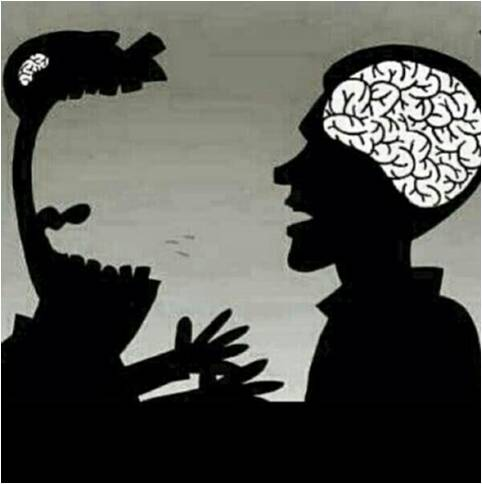
특히 10년 전 중국법인에서 근무했을 때였다. 중국인 대리상들과 회의시간은 불필요한 얘기가 더욱 심했다. 했던 얘기 또 하고, 그 얘기가 이 얘기를 만들고 이 얘기는 저 얘기를 만들며, 문제는 모두 남의 탓이고, 잘한 건 모두 자기가 한 것이 된다.
그렇게 한참을 얘기하다 또 어떤 다른 문제점이 나오면, 과거 남이 잘못했던 얘기가 또 나오고, 했던 얘기를 다시 하면서 문제는 모두 또 남의 탓이 되는 것이 되풀이된다.
처음에는 고객의 소리라는 측면에서 그들을 존중해주며 참고 들어 보려고 노력했지만, 결국 나는 말을 끊어 버릴 수밖에 없었다. 그렇지 않으면 하루가 다 가도록 회의가 끝날 수가 없었기 때문이다.
자기 자신에 집중에서 자신과 자신이 속한 지역에서 발생되고 있는 영업적인 현황을 직시하고 문제를 해결해야 하는데, 아무리 얘기해도 문제보다는 남을 비방하거나 모든 일이 회사지원이 부족하다며 회사 탓으로 돌리는 일은 전혀 변함이 없었다. 그래서 결국 내가 쓰게 된 말은….
“그건 아는 얘기고, 그건 좀 전에 했던 얘기고, 그건 과거 얘기고, 그건 딴 사람 얘기고…”라고 말을 하며 끊임없이 쏟아지는 비난의 화살들을 끊으며, “”카오리 카오리바~.”라고 한다.
중국 발음으로 ‘카오리’는 고려(考虑)하겠다는 말로, 확정 지을 수 없는 애매한 대답으로 의미 없고 끝장 없는 회의를 마감지우려는 수단일 뿐이었다.
중국에서 마치 카멜레온처럼 수시로 변하고, 양파처럼 껍질을 벗기고 벗겨도 속이 나오지 않는 것과 같은 대리상들을 마주하며 처음에는 매우 큰 당혹감을 감추지 못하였다. 하지만 5년 정도가 지나자 점점 그들을 누구보다도 더 잘 이해하게 되었다.
과거 찬란한 역사와 문화를 가지고 있으면서도 공산정권 이후 모든 것을 부인하고 스스로 퇴보한 중국에서, 남들에게 잘났다고 나서거나 잘못한 일을 반성하고 책임을 지면 비난 받고 숙청당했던 어두운 역사를 가진 중국의 40~50대 대리상들…
급속한 자유경제주의로 인해 경제수준은 발전했지만 의식수준은 아직도 30년 전에 머물러 있는 그들은, 철저한 개인의 이익과 돈을 위해, 남은 어찌되든 상관 없다는 배금주의자와 이기주의자로 변해 있었다.
그리고 자신의 이익뿐만 아니라 과거로부터 내려오는 체면이 중요한 그들은 서로를 비방하고 헐뜯으면서도 자신이 받는 모욕은 참지 못해 크게 화를 내고 싸우며 더욱 맹렬히 상대방을 비방하게 된 것이다.
그런 대리상들은 회사와 관계를 오래 지속할 수 없었다. 1년 정도면 대부분 떨어져 나갔고, 빈자리는 다른 신규 대리상으로 채워지는 게 일수였다.
얼굴 한 가운데 큰 뿔을 가지고 있는 코뿔소가 바라보는 세상은 아마도 코에 달려 있는 뿔 때문에, 항상 중심에 뿔이 차지하고 있을 것이다. 실제적인 본질과 다르게 왜곡된 모습이지만, 코뿔소는 보이는 세상의 중간에 뿔이 없다는 것을 모르고 있다. 심지어는 그것이 자신의 뿔 탓이라는 것도 모른다.
그런데 사실 이런 코뿔소의 뿔은 우리 인간에게도 있다. 보이지 않는 마음의 뿔인 편견과 불평불만이다. 우리 마음 속에 있는 이 뿔은 세상을 자기에게 유리한 방향으로만 유도하고, 보고 싶은 것만 보고 듣고 싶은 것만 들으려 하며, 잘못된 것은 모두 남의 탓으로 돌리는 놀랍고 나쁜 재주가 있다.


그러나 코뿔소 얼굴에 있는 뿔은 평생 뗄 수 없는 놈이지만, 우리 마음 속에 있는 이 나쁜 뿔은 우리가 마음먹기에 따라 떼어낼 수도 있고, 아니면 더 크고 높게 만들어 아무도 범접하지 못하게 만들 수도 있다. 인간은 코뿔소와 달리 마음 속에 뿔 하나가 있다는 것만 인식하고 반성하기만 해도 뿔은 급속도로 줄어들 수도 있는 것이다.
톨스토이는 말했다.
“깊은 강물은 돌을 집어 던져도 흐려지지 않는다. 모욕을 받고 그 즉시 화를 내는 사람은 작은 웅덩이에 불과하다.”
————-
The worst attitude in human relationships is failing to acknowledge one’s own mistakes while constantly blaming others, often coupled with complaints. When you work with such an attitude, it becomes difficult to achieve any meaningful results.
I tend to keep meetings short and focused, so when I have to engage with someone who digresses and talks endlessly, I find it exhausting. This happened a few years ago when I was working as a consultant for small and medium-sized businesses.
Whenever I met with self-made CEOs in their 60s, they would usually ramble on about their past experiences. They would blame the younger generation for not accepting the way they work and sometimes even criticize the world at large, wasting valuable time. As a consultant, I always tried to listen as much as possible, but it would eventually become unbearable, and I had to interrupt and steer the conversation back to the topic at hand.
The most challenging situation came during my time working in China, about 10 years ago. Meetings with Chinese agents were filled with endless, unnecessary discussions. They would repeat the same things over and over again, linking one story to another, and it became clear that everything was someone else’s fault while all the successes were attributed to themselves.
After a long period of going in circles, if another issue was raised, they would repeat the same old stories about how others had messed up, and the blame game would continue.
At first, I tried to be respectful and patient, listening from the perspective of customer feedback, but eventually, I had no choice but to interrupt. If I didn’t, the meeting would drag on all day without any resolution.
Instead of focusing on themselves and their current business reality, they would keep blaming others or claim that the company wasn’t supporting them enough. No matter how much I tried to steer the conversation in the right direction, nothing changed. Eventually, I found myself saying, “That’s already been said, that’s what we just discussed, that’s in the past, and that’s about someone else…”—interrupting their constant barrage of blame with a remark, “Kaori Kaoriba~.”
The word “Kaori” in Chinese (考慮) means “I will consider it,” which is an ambiguous and meaningless response—just a way to end the endless, unproductive discussion.
When I first encountered these agents, they were like chameleons, constantly changing. I felt an immense sense of confusion, as if I was peeling an onion and finding nothing inside. However, after about five years, I started to understand them better than anyone else.
These agents were in their 40s and 50s, from a generation that had grown up in China’s harsh Communist regime, where acknowledging one’s mistakes or taking responsibility meant being criticized or even purged. Despite China’s rapid economic development, the mindset of many still remained stuck in the past, unable to accept the changes brought by free-market capitalism. Driven by self-interest and greed, they cared little for anything beyond their own benefit. They had become materialistic and selfish.
Moreover, these agents were extremely sensitive about their face and reputation, which were passed down from tradition. Although they would badmouth each other, they couldn’t tolerate any insults to themselves. They would erupt in anger, fight back, and increase their own disparagement of others.
Such agents could never maintain a long-term relationship with the company. After about a year, most would leave, and their positions would quickly be filled by new agents.
The world as seen by a rhinoceros, with its large horn in the center of its face, is likely distorted by that horn. The rhinoceros doesn’t realize that the horn, which is always at the center of its vision, is a major distortion of reality.
In fact, the rhinoceros’ horn is like the metaphorical horns we humans have—the prejudice and complaints that reside in our hearts. This invisible “horn” guides us to see the world only in ways that are beneficial to us, forcing us to focus on what we want to see and hear, and pushing all the blame onto others.
But unlike the rhinoceros, whose horn it cannot remove, we can choose to remove our metaphorical horn. We can either shrink it down or allow it to grow higher, making it even more impenetrable. If we are aware of the “horn” inside us and reflect upon it, it can quickly diminish.
Tolstoy once said, “A deep river does not get muddied when a stone is thrown into it. A person who immediately gets angry when insulted is like a small pond.”