

수많은 태도에 관한 표현 중에서도 나는 사람들의 태도를 결정 짓는 가장 근본적인 것이 정직(正直)이라고 생각한다. 아무리 긍정적이고 성실하며 열정적이고 능력 있는 사람이라 하더라도, 정직하지 못하면 바르지 못한 방향으로 길을 가게 되기 때문이다.
그런 점에서 정직은 인생의 종착지까지 바르게 안내하는 올바른 내 마음 속 가이드라고 할 수 있겠다. 앞서 얘기한 남의 탓과 비난도 사실은 그 근본이 자신에게 스스로 정직하지 못하기 때문이다.
정직이란 타인에게 보여주기 위한 것이 아니다. 보이지 않는 구렁텅이에 빠지지 않도록 자신을 막아주며, 설령 한 발이 흙탕물 속에 잠기었다 해도 다른 발은 굳건히 맨 땅을 짚어, 빠진 발을 다시 빼낼 수 있도록 구제해 주는 힘이 바로 정직이다.
그래서 영국속담에도 “하루동안 행복하려면 이발을 하고, 일주일동안 행복하려면 결혼을 하고, 한달동안 행복하려면 말을 사고, 한 해를 행복하게 지내려면 새집을 짓고, 평생을 행복하게 지내려면 정직해야 한다.”는 말이 있다.
하지만 이 사회를 살아가는 처세에서 정직이 항상 올바른 일이 아닌 것일지도 모른다. 선의의 거짓말(White Lie)이라는 말이 있듯이, 때론 하얀 거짓말이 세상을 살아가는 데 더 편리하기 때문에, 사람들은 작은 일에는 별일 아니라고 스스로를 위로하며 쉽게 거짓말과 타협하는 것이다.
과연 이 세상에 한번도 거짓말하지 않은 사람이 어디 있겠는가? 기독교에서는 사람으로 태어난 것 자체가 하느님께 원죄를 짓고 태어난 것이라 하였다. 사람은 이렇게 나올 때부터 죄를 지었으며, 살아오면서 또 더 많은 죄를 지도록 되어 있다.
그러기 때문에 법이 있고 도덕이 있으며, 신앙이 있고 자기 성찰과 반성이란 것이 있는 것이다. 중요한 것은 정직함은 자기 반성을 통해 다져지고 같은 실수를 더 이상 반복하지 않으려는 마음가짐을 통해 더욱 강하게 쌓인다는 것이다.


어린 시절 옷장에 숨겨 둔 어머니의 쌈지 돈을 몰래 훔쳐 만화 책을 보고 아이스크림을 사먹고 들어온 적이 있었다. 처음 한번 했더니 그 재미가 쏠쏠하여 한번이 두번 되고 두번이 세번 되었지만, 어머니는 알아채지 못하시고 나는 조금씩 더 많은 돈을 빼내기 시작하였다.
그러던 어느 날 변함없이 만화책을 보고 들어왔는데, 어머니가 빗자루를 들고 나를 기다리고 계셨다. 나는 순간 뜨끔하였지만 계속 모른다고 고집을 부렸다가, 두꺼운 빗자루 손잡이로 손바닥을 엄청 맞고 울면서 잘못을 빈 적이 있었다.
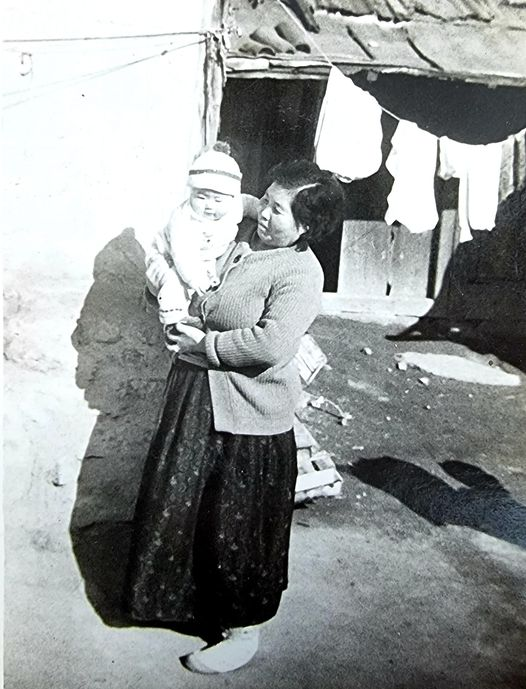
가난했던 살림에 적은 돈이라도 금방 티가 났던 형편이었으므로, 어머니는 이미 다 알고 계셨을 것이지만, 하나뿐인 아들을 위해 스스로 반성하기를 묵묵히 기다렸다가 끝내는 회초리를 든 것이었다. 나를 때리며 함께 눈물지었다가 끝내는 나를 부둥켜안으며 큰 소리로 함께 우셨던 어머니의 가슴에는, 넉넉히 용돈 하나 제대로 주지 못했던 형편이 자식을 잘못되게 만들었구나 하는 회한이 묻어 나왔을 것이다.

그 후로 나는 절대로 남의 돈에 손을 대지 않는 것을 철칙으로 살아왔다. 그건 취직 후 회사에서도 마찬가지였다. 업무 상 정해진 예산 내에서 회사 돈을 사용하는 것이야 당연한 일이었지만, 예산이 남았다고 해서 회사 돈을 개인적으로 사용하는 일 또한 절대로 있을 수 없는 일이었다.
1993년 피어리스 화장품 판촉팀에서 근무한지 만 3년이 되었을 때의 일이었다. 엄청난 판촉비 경쟁을 하고 있었던 화장품업계에서 판촉과 근무 3년이면 집 한 채도 산다는 말이 나왔을 정도로 판촉업계는 매우 지저분한 접대문화가 판을 치는 곳이었다.
당시는 화장솜이나 유리컵이 가장 보편화된 판촉으로 매월 평균 15만개 정도는 변함없이 꾸준히 하는 판촉물이었다. 당시 한 개당 200원으로 매입했던 유리컵이 15만개이면 한 달에 3,000만원 상당의 유리컵을 매달 구입한 것이었으니, 30년 전임을 감안하면 그 규모가 꽤 큰 편이었다.
그런 상황을 너무도 잘 알았던 피어리스 경영주는 판촉팀원들이 혹시 접대를 받으며 가격을 올려주고 돈을 빼돌릴까 항상 의심하며 직원들을 믿지 못하고 달달 볶아, 내가 근무한 3년 동안 내 위로 팀장이 여섯 명이나 바뀔 정도였다.
그렇게 평균 6개월의 짧은 수명의 팀장이 있을 때나 없는 공백 기간일 때도, 나는 사원이 아니라 거의 팀장 수준의 일을 수행해야만 했었다. 그러다 보니 판촉팀에서의 나의 영향력은 사원의 신분임에도 불구하고 점점 커져가게 되었다.
그러던 어느 날 한 유리컵 업체 영업부장이 나를 찾아왔다. 그는 당시 다른 회사 유리컵을 사용했던 내가 자기 회사로 업체를 바꾸길 바라며 솔깃한 제의를 하였다. 유리컵 하나에 10원씩 쳐서 내게 주겠다는 것이었다.


당시 내 월급이 60만원 정도였는데, 유리컵 하나에 10원이면 월급의 두 배가 넘는 150만원이 세금도 낼 필요도 없이 들어오는 것이었다. 하지만 나는 일언지하에 거절하며 다시는 나를 찾아오지 말라며 돌려보냈다. 만약 그가 내게 10원을 주지 않고 경쟁사보다 단가를 5원 인하해 주겠다고 하였다면, 어쩌면 나는 그를 선택했을지도 모른다.
내가 이런 방식의 거래가 싫다고 하였더니, 그 때 그가 했던 말이 아직도 기억 난다. 다른 회사의 판촉팀 직원들은 다 그렇게 하는데, 유독 왜 당신만 그러느냐고…
결혼 후 매년 상승하는 전세 때문에 1년에 한번씩 이사를 할 정도로 나도 돈이 필요했었던 때였다. 하지만 그건 나의 신념에 어긋나는 일이었다.
그후 임원이 되고 대표이사가 되었어도 나는 법인카드를 개인적으로 쓴 적이 없었다. 아무리 임원이 사용할 수 있는 예산이 많이 남았다 하더라도, 만약 내가 저녁에 개인적인 만남이 있을 때면 개인카드를 사용했지, 회사의 법인카드를 함부로 사용하지 않았다.
그렇게 일한다고 경영주가 믿어주는 것도 아니고, 회사에서 월급을 더 주는 것도 아니었지만, 내겐 한 순간의 이익으로 한 숨에 날려버릴 수 없는 더 큰 꿈이 있었기 때문이며, 어릴 때부터 일찍 깨우친 정직이라는 태도를 쉽게 져버릴 수가 없었기 때문이다.
에머슨은 말하였다.
“사람은 혼자 있을 때 정직하다. 혼자 있을 때는 자기를 속이지 못한다. 그러나 남을 대할 때는 그를 속이려고 한다. 하지만 좀 더 깊이 생각하면, 그것은 남을 속이는 것이 아니고 자기 자신을 속인다는 것을 알아야 한다.”
————–
Among the countless expressions about attitude, I believe that the most fundamental attitude that determines a person’s character is honesty. No matter how positive, diligent, passionate, and capable a person may be, if they are not honest, they will end up heading in the wrong direction.
In that sense, honesty can be regarded as a correct inner guide that leads us along the right path until the very end of our lives. The blame-shifting and criticism mentioned earlier also stem from the fact that people are not honest with themselves.
Honesty is not something for show. It protects us from falling into invisible pitfalls. Even if one foot gets stuck in the mud, honesty ensures that the other foot remains firmly planted on solid ground, allowing the stuck foot to be freed. This is the power of honesty.
There is an old British proverb that says, “To be happy for a day, get a haircut. To be happy for a week, get married. To be happy for a month, buy a horse. To be happy for a year, build a new house. But to be happy for a lifetime, be honest.”
However, in the way we navigate through life, honesty may not always seem like the right thing to do. As the term white lie suggests, sometimes telling a harmless lie can make life more convenient. People often comfort themselves by saying that small lies are no big deal, and they easily compromise with dishonesty in trivial matters.
But is there anyone in the world who has never told a lie? In Christianity, it is said that being born as a human itself is a sin against God, as we are born with original sin. Humans are born with sin and are destined to commit more sins throughout their lives.
This is why we have laws, morals, faith, and practices like self-reflection and repentance. What is important is that honesty is built through self-reflection and is strengthened by the resolve not to repeat the same mistakes again.
When I was a child, I secretly stole my mother’s pocket money that she kept in the closet. I used the money to buy comic books and ice cream, and I kept coming back for more. The fun I got from it made me repeat the act over and over, and I started taking larger sums without my mother noticing.
Then one day, after coming home from reading comics as usual, I found my mother waiting for me with a broom in hand. I instantly felt guilty, but I stubbornly denied everything at first. Eventually, I was struck on the palm of my hand with the broomstick and cried, apologizing for what I had done.
Even though my mother was aware of it due to the tight household finances and the small amounts of money that would quickly be noticed, she waited silently for me to reflect on myself. Eventually, she raised the broom and disciplined me. While striking me, she shed tears along with me, and when it was over, she hugged me tightly and cried out loud. Her heart must have been filled with regret, thinking that her inability to provide a proper allowance had led her son astray.
From that moment on, I made it a rule never to touch other people’s money. This principle continued even after I started working. It was a given that I used company money within the allocated budget, but there was never any room for using company funds for personal purposes.
This principle was put to the test when I had been working in the promotion team at Pieris Cosmetics for three years in 1993. The cosmetics industry was rife with intense promotional cost competition, and it was said that after three years in promotions, you could buy a house. The industry was notorious for its corrupt hospitality culture.
At that time, products like cotton pads and glass cups were the most common promotional items, and about 150,000 units were consistently distributed each month. A glass cup purchased at 200 won each meant buying 30 million won worth of glass cups each month—this was a significant amount, especially considering it was over 30 years ago.
The management at Pieris, fully aware of this situation, was suspicious of the promotion team members possibly inflating prices and embezzling money, so they could not trust their employees and constantly pressured them. During the three years I worked there, I had six different team leaders, each serving an average of only six months, and even during the gaps between team leaders, I had to take on responsibilities equivalent to that of a team leader myself.
This meant that my influence within the promotion team grew, even though I was just a staff member.
Then, one day, the sales manager of a glass cup company came to see me. He offered me a tempting proposal: he would give me 10 won per glass cup if I switched to using his company’s products.
At that time, my monthly salary was around 600,000 won. If I took his offer, I would earn an additional 1.5 million won—more than double my salary—without having to pay taxes. But I rejected the offer immediately and told him never to come back.
I still remember what he said: “All the other promotion staff at other companies do it. Why are you the only one like this?”
I was in a situation where I needed money too, as rent prices kept rising, and I had to move once a year. But going against my principles was unthinkable.
Even after I became an executive and later the CEO, I never used the corporate credit card for personal expenses. Even if there was plenty of unused budget available for executives, if I had a personal meeting in the evening, I used my personal card, never the company’s corporate card.
Working in this way didn’t make the management trust me more, nor did it increase my salary. But I had a bigger dream that could not be erased by a momentary gain, and I could never let go of the principle of honesty that I had learned from a young age.
Emerson once said:
“A man is honest when he is alone. When he is alone, he cannot deceive himself. But when he is with others, he tries to deceive them. However, upon deeper reflection, one should realize that it is not the others he is deceiving, but himself.”