

우리 마음 속에는 천정의 한계와 체념의 한계라는 보이지 않는 벽이 있다.
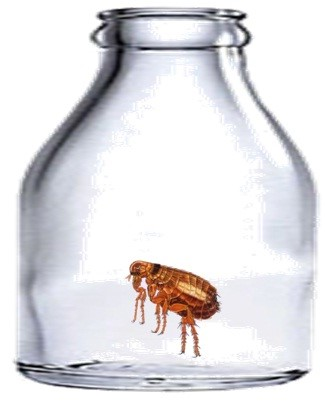
미국 동부의 저명한 학자 지그 지글러는 20~30cm를 뛸 수 있는 벼룩들을 7-8cm 높이의 유리병에 넣고 뚜껑을 닫고는 관찰하였다.
그러자 벼룩들은 병 밖으로 나오려고 계속 뛰다가 유리병 천정에 자꾸만 머리를 부딪쳤다. 그렇게 여러 시간이 지나 유리병의 뚜껑을 벗겨주었더니, 벼룩들은 더 이상 유리병보다 높게 뛰어 넘어 갈 수가 없게 되었다. 이 7-8cm 유리병 천정의 한계가 벼룩들에겐 넘을 수 없는 삶의 한계가 되어 더 이상 뛰지 못하게 된 것이다.
인간의 삶도 이 벼룩과 같은 경우가 많다. 신입사원으로 들어왔을 때만 해도 패기충천 했던 사람도 조직의 보이지 않는 벽에 부딪쳐 자꾸만 아픔을 겪게 되자, 점점 그 틀 속에 스스로를 맞추며 자기를 그 틀 속에 가두었던 상사와 비슷한 사람으로 변하고 만다.
우리는 자라면서 잘한다는 말보다 하지 말라는 말을 더 많이 듣고 자라왔다. 어렸을 때는 호기심에 가득 차서 천진난만하게 물었다.
“왜요?”
그러다 점점 자라면서 스스로 알게 된다. 묻지 않고 마는 것이 속 편하다는 것을….
하지만 지그 지글러가 나중에 유리병 바닥을 불로 뜨겁게 달구자 벼룩이 깜짝 놀라 다시 유리병 밖으로 튀어 올랐다는 점을 알아야 한다. 벼룩은 할 수 없는 것이 아니라 할 수 없다고 스스로 포기한 것이다.

비슷한 사례로 서커스 코끼리의 체념이 가져다 주는 안타까운 마음 속 한계도 있다.
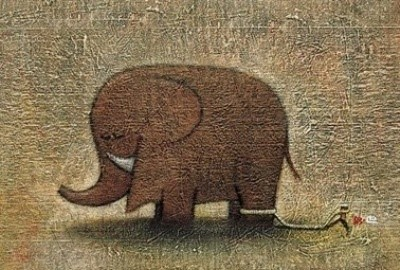
서커스 코끼리의 발에 쇠사슬을 묶어서 작은 말뚝에 매어 두어도, 덩치가 큰 코끼리는 말뚝을 뽑고 도망갈 생각을 조금도 하지 않는다. 그 이유는 코끼리가 어렸을 때부터 말뚝에 묶인 채로 길들여졌기 때문이다.
처음 어린 코끼리는 그렇게 묶여 있는 것이 몹시 답답해서 말뚝을 뽑아버리려고 안간힘을 쓰다 사육사에게 매를 맞기도 하고 단단한 쇠말뚝에 묶인 발목에 상처와 고통을 받게 되었을 것이다.
그러다가 점점 자유롭게 살고 싶다는 마음도 사라져 “내 힘으로는 이 말뚝을 뽑을 수 없어!“ 라고 체념을 하게 된다. 그 후로 아기코끼리는 더 이상 말뚝에서 탈출하려고 몸부림 치지 않았고, 완전히 성장한 후에도 체념의 말뚝과 익숙해진 채 살아가게 되는 것이다.

비단 벼룩이나 코끼리뿐만 아니라 사람도 마찬가지로 반복되는 한계에 부딪치면 그만 체념하고 ‘할 수 없다’라는 스스로의 한계 속에 갇히는 경우가 비일비재하다. 조직의 틀은 견고하여 한 사람의 힘으로 깨기는 매우 어렵다. 잘못된 관행을 바로잡고자 몸부림 치면 칠수록 체념은 더욱 빠르게 다가온다.
그래서 더욱 중요한 것이 희망이고 긍정이다. 체념이 자신을 점차 잡아먹도록 내버려 두지 말고, 긍정적인 마음으로 작은 것부터 하나씩 성공체험을 하는 것이 중요하다. 긍정은 작은 성공의 성취감들을 통해 무럭무럭 자라나서 나중에 더 큰 성공을 가져올 수 있게 하기 때문이다.
———–
There are invisible walls within our minds known as the ceiling of limitations and the boundary of resignation.
Zig Ziglar, a renowned scholar from the eastern United States, once conducted an experiment with fleas capable of jumping 20 to 30 centimeters high. He placed them inside a glass jar with a lid set just 7 to 8 centimeters above the bottom.
The fleas repeatedly leapt to escape, only to hit their heads against the glass ceiling. Over time, they adjusted their jumps to avoid the pain. When Ziglar eventually removed the lid, the fleas no longer attempted to jump higher than the 7 to 8 centimeters they had been conditioned to. What had once been a temporary limit—the height of the jar—became a permanent ceiling in their minds, effectively trapping them within an invisible boundary.
Human lives often mirror this phenomenon. Many individuals, brimming with ambition and drive when they first enter a company, encounter unseen barriers within their organization. After repeated struggles and pain from hitting these metaphorical walls, they begin to conform to the existing framework, eventually transforming into someone much like the superiors who once confined them.
As children, we grow up hearing more “Don’t do that” than “Well done.” When we were younger, our curiosity drove us to ask innocent questions like, “Why?” However, as we grew older, we learned that it was easier to keep silent and avoid confrontation altogether.
But Ziglar also observed something remarkable: when the bottom of the glass jar was heated, the startled fleas leapt beyond the limits they had accepted as insurmountable. The fleas hadn’t lost their ability to jump; they had simply given up trying.
A similar story can be seen in the tragic resignation of circus elephants. A fully grown elephant, capable of uprooting a tree, remains tethered to a tiny stake in the ground. Why? Because as a calf, it had been shackled to that same stake. Initially, the young elephant struggled mightily to break free, only to be met with pain, punishment, and failure. Over time, it gave up, believing that escape was impossible. Even as an adult, the elephant remained bound by this ingrained resignation, never realizing its strength.
Like the flea and the elephant, people too often surrender to the constraints they encounter, caging themselves within the walls of “I can’t.” Organizational structures are rigid, and a single individual’s efforts to break the mold are frequently met with resistance. The more one fights to correct entrenched practices, the faster resignation sets in.
This is why hope and positivity are all the more vital. We must not allow resignation to consume us. Instead, with a positive mindset, we must focus on achieving small, incremental successes. Positivity thrives on these small victories, gradually growing into a powerful force that can lead to greater accomplishments.
Ultimately, positivity and the resilience to try again can shatter the invisible walls we once believed unbreakable.