습관에 대한 두가지 실험이 있다.
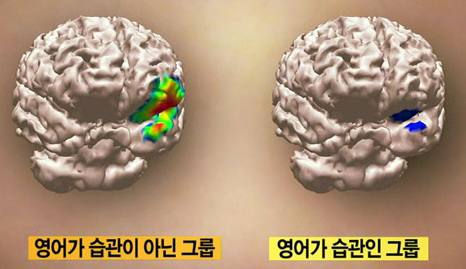
첫번째 실험은 영어가 습관인 그룹과 습관이 아닌 그룹을 나누어서, 영어 단어 200개와 단어가 아닌 글자 100개를 섞어서 0.5초에 하나씩 제시하며 뇌의 반응을 촬영한 것이다. 그 결과 아래 그림과 같이 영어가 습관인 그룹에 비해 습관이 아닌 그룹이 뇌를 훨씬 더 많이 사용한다는 결과가 나왔다.
영어가 습관인 사람은 많이 생각할 필요도 없이 바로 뇌가 반응한다는 것을 보여줌으로써, 사람의 행동도 습관이 되면, 생각을 할 필요 없이 몸이 먼저 반응하여 행해진다는 것을 의미한다.
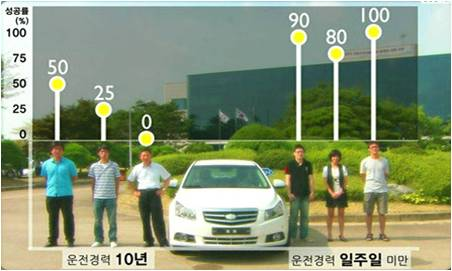
두번째는 운전 경력 10년인 그룹과 1주일 미만인 그룹을 나누어서, 좌우가 반대로 작동되는 자동차 깜빡이가 있는 차를 운전하도록 한 재미난 실험이 있었다. 즉, 원래 레버를 아래로 내리면 왼쪽이 깜빡이는 것을 오른 쪽이 깜빡이도록 하고, 마찬가지로 위로 올릴 경우에는 왼쪽이 깜빡이도록 조작한 후, 두 그룹이 운전할 때 깜빡이를 제대로 작동시키는지를 조사한 실험이었다.
그리고 운전 실험 결과는 운전경력 1주일 미만인 그룹의 운전 중 깜빡이 작동 성공률이 10년 이상인 그룹에 비해 월등히 높게 나타났다.
운전 경력 10년인 사람들은 오랜 기간 운전하면서 자동차에 장치되어 있는 깜빡이 작동 레버에 습관이 들어 있었기 때문에, 머리 속으로는 그 장치가 바뀌었음을 알고 있었음에도 불구하고, 자동적으로 예전에 하던 방식으로 레버를 작동하였기 때문에 실수를 많이 한 반면, 운전 경력 1주일 미만인 그룹은 아직 습관이 들지 않았기 때문에, 머리로 인지하고 있는 그대로 행동할 수가 있었기 때문이다.
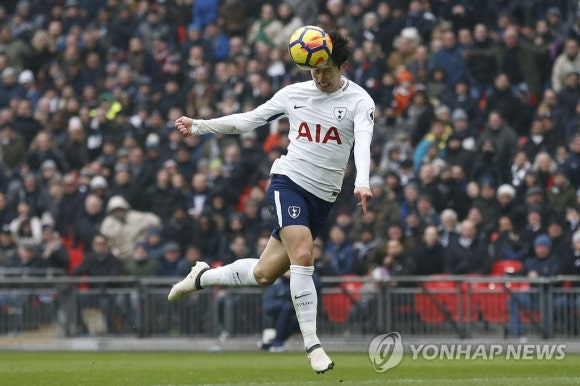
세계적인 프로축구 선수인 손흥민 선수의 예를 들어보겠다. 골대 부근에 있던 손흥민 선수에게 갑자기 볼이 날아왔다. 순간 손흥민 선수가 볼을 향해 몸을 날려 헤딩으로 골키퍼 바로 왼쪽 옆 빈 곳으로 골을 꽂아 넣었다고 하자. 그때 손흥민 선수는 볼이 날아오는 것을 보고 과연 이런 생각을 하였을까?
‘앗~! 볼이 내 쪽으로 날아오는데 이건 발로 차기 힘드니 헤딩을 해야겠고, 거리 상 달려가는 것보다 몸을 던져서 맞춰야겠다. 그런데 골키퍼가 가운데 있으니 이왕이면 왼쪽 빈 곳을 노려서 그 곳에 넣으면 골인이 되겠다’
아마 이런 생각을 하고 움직였다면 이미 볼은 상대 선수에게 빼앗겼을 것이다. 이는 끊임없이 반복된 훈련과 경기 감각으로 생각보다 몸이 먼저 움직였기 때문에 가능한 것이다. 이렇듯 습관이란 생각에 앞서 몸이 자동적으로 움직이도록 베인 행동의 결과인 것이다.
아리스토텔레스는 말했다.
“탁월한 사람이라서 올바르게 행동하는 것이 아니라, 올바르게 행동하기 때문에 탁월한 사람이 되는 것이다. 현재의 우리는 우리가 반복적으로 하는 행동의 결과이다. 즉, 탁월함은 행동이 아니라 습관이다.”
—————-
There are two interesting experiments that illustrate the power of habits.
Experiment 1: The Habit of English
In the first experiment, participants were divided into two groups: one where English was habitual (fluent speakers) and another where it was not. Each group was shown a mix of 200 English words and 100 random non-word characters, presented one at a time for 0.5 seconds. Researchers captured their brain activity during the process.
The results were striking. Compared to the non-habitual group, the habitual English speakers used much less of their brain to recognize words. This demonstrated that for those accustomed to English, the brain reacts automatically without needing much conscious effort. Similarly, habitual actions in daily life occur without deliberate thought, with the body responding almost reflexively.
Experiment 2: Driving and Habit
In the second experiment, two groups of drivers were tested: those with over 10 years of driving experience and those with less than one week. The task involved driving a car with a modified turn signal lever that worked in reverse. Pulling the lever down turned on the right signal, while pushing it up activated the left signal—opposite to the standard mechanism. The objective was to see how accurately each group could use the turn signals.
Surprisingly, the group with less than one week of driving experience performed significantly better than the seasoned drivers.
Why?
The experienced drivers had developed deeply ingrained habits from years of using a standard turn signal lever. Even though they understood the change intellectually, their habitual actions overrode their conscious thought, causing frequent mistakes. In contrast, the inexperienced drivers, not yet conditioned by habit, could follow the new mechanism as instructed without conflict.
Habits in Action: Son Heung-min’s Example
Take the example of Son Heung-min, the world-renowned soccer player. Imagine a scenario where a ball suddenly flies toward him near the goalpost. Son reacts instantly, diving to head the ball into the net, perfectly placing it in the empty space just left of the goalkeeper.
Did Son consciously think through the situation like this?
“Oh! The ball is coming my way. It’s too hard to kick, so I’ll need to use my head. Given the distance, diving will be faster than running. The goalkeeper is in the center, so I’ll aim for the left corner to score.”
If he had, the ball would have already been intercepted by the opposing team. His success is the result of countless hours of training and ingrained reflexes, where his body moves instinctively before conscious thought can intervene. This is the essence of habit—actions so deeply embedded through repetition that they bypass deliberate thinking.
Aristotle once said:
“It is not because one is an excellent person that they act rightly, but because they act rightly that they become an excellent person. Who we are today is the result of the actions we repeatedly take. In other words, excellence is not an act but a habit.”
He emphasized that people do not act virtuously because they are inherently excellent; rather, they achieve excellence by consistently acting virtuously. Excellence, therefore, is not a singular act but the culmination of habitual behaviors.
Habits are the foundation of our actions, shaping not only our behaviors but also our identities and destinies. By forming positive habits through persistent practice, we can align our actions with our aspirations and achieve greatness. Conversely, negative habits can become obstacles that hinder our progress. Thus, cultivating the right habits is the key to unlocking our potential.