

이렇게 우리는 어떻게 노력하느냐에 따라 습관을 고칠 수도 있고, 좋은 습관을 만들 수도 있다. 또한 다른 사람들의 좋은 습관을 본받아 나의 습관으로도 만들 수 있다. 마이크로소프트사의 빌게이츠는 다른 사람의 좋은 습관을 자신의 습관으로 만드는 것이 습관이라고 했다.
세계 제일의 갑부이지만 항상 겸손하고 어려운 사람들을 위해 거액을 기부하는 기부천사로서 노블레스 오블리제(Noblesse Oblige)의 좋은 본보기를 보여주고 있는 그이기 때문에, 오만하지 않고 남의 좋은 점을 받아들여 지금의 성공을 이루었다고 생각된다.
돌이켜 보면 그의 성공의 역사는 남의 것을 자신만의 것으로 적용하였기 때문에 가능했다. 그의 성공 신화의 첫 단추였던 MS-DOS는 이미 IBM에서 그들만의 PC를 위해 만들어진 것이었지만 MS가 재빨리 모든 PC에 표준화하였고, 지금은 흔한 윈도즈(Windows)에서 마우스를 사용하여 아이콘을 클릭하는 방식인 GUI(Graphic User Interface) 또한 애플의 매킨토시에서 먼저 시작한 것을 도입하여, 일반 PC에 맞게 발전시킨 것이다.
오피스 프로그램인 엑셀(MS-Excel)은 로터스(Lotus 1-2-3), 인터넷 익스플로러(Internet Explorer)는 넷스케이프(Netscape) 등, 이미 시중에 나와 있는 선도자의 제품을 따라하고, 이를 윈도즈라는 독점 괴물 운영체제에 맞도록 개선하여 그 시장들을 모두 먹어 치운 결과가 지금의 성공을 이루게 되었다. 어쩌면 운영체제를 독점하는 거대 괴물의 힘으로 만든 쉬운 일로 보일 수도 있겠지만, 빌 게이츠의 남의 좋은 점을 배우려는 습관이 없었다면 불가능한 일이었을지도 모른다.
이제 우리는 생각과 말과 행동을 통해 습관을 바꿀 수가 있음을 알았다. 습관을 바꾼다는 것은 자기와의 힘겹고 지겨운 싸움이지만, 그 결과는 인생의 운명을 바꿀 창대한 것이다.
그러므로 이제 좋은 습관이라는 목표를 향해 굳은 결심으로 도전만 하면 된다. 그 도전이 나를 변화시킬 것이고 나의 운명을 바꿀 것이며, 나아가서는 세상을 바꿀 수도 있다.
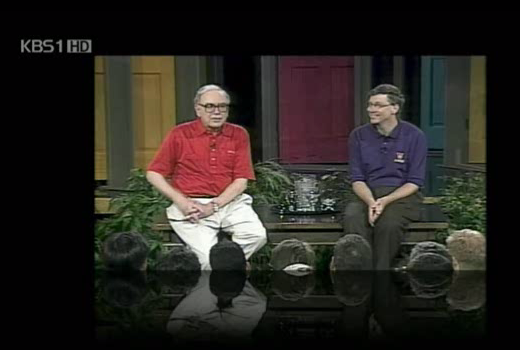
빌 게이츠와 함께 세계 제일의 갑부이자 투자가인 워렌 버핏은 빌 게이츠와 함께 한 토론회에서 이렇게 말했다.
“조금만 연습하면 타인의 장점을 여러분의 것으로 만들 수 있습니다. 그리고 조금만 더 노력하면 아예 몸에 벤 습관으로 만들 수도 있죠. 습관의 족쇄란 너무 가벼워 느낌도 없다가 점점 무거워져 결국 다리를 절단 내고 맙니다. 제 나이에는 습관을 바꾸기 어렵습니다. 이미 습관의 노예가 된 것이죠. 하지만 젊었을 때 좋은 습관을 실천하면, 머잖아 자기 것으로 만들 수도 있습니다.”

————-
With deliberate effort, we can correct our existing habits and cultivate new, positive ones. Moreover, by observing and emulating the good habits of others, we can integrate those practices into our own lives. Bill Gates of Microsoft once said that adopting others’ good habits as his own was, in itself, a habit.
As one of the wealthiest individuals in the world, Gates exemplifies humility and social responsibility by making substantial charitable donations. He is a shining example of Noblesse Oblige, the idea that privilege comes with the obligation to contribute to society. His success, it seems, stems from his willingness to embrace and learn from the strengths of others rather than succumbing to arrogance.
Gates’ remarkable success can be attributed, in part, to his ability to adapt and refine the innovations of others. For instance:
- MS-DOS: This operating system, a cornerstone of Gates’ success, was originally developed for IBM’s proprietary PCs. However, Microsoft quickly standardized it for use across all PCs, making it ubiquitous.
- Windows and the GUI Revolution: The graphical user interface (GUI) that allows users to click icons with a mouse was first introduced by Apple’s Macintosh. Gates adopted and improved this concept to create Windows, tailoring it for general PC users and dominating the market.
- Excel: Microsoft Excel was inspired by Lotus 1-2-3, a leading spreadsheet program of its time. Gates adapted and enhanced it to integrate seamlessly into the Windows ecosystem, surpassing its predecessor.
- Internet Explorer: This browser was developed to rival Netscape, which had been the market leader. Microsoft’s adaptation and integration of Internet Explorer into Windows ensured its dominance for years.
Though Microsoft’s actions could be criticized as leveraging monopoly power, Gates’ habit of adopting and improving upon the best ideas of others was undeniably instrumental in his success.
Habits can be changed through consistent effort, even though the process often feels like a long and exhausting battle with oneself. Yet the rewards of this struggle are profound, as habits shape not only our lives but also our destinies.
By setting a clear goal of cultivating good habits and committing resolutely to that goal, we can achieve remarkable personal growth. This transformation can influence not only our future but also the world around us.
During a discussion with Bill Gates, Warren Buffett, another of the world’s wealthiest individuals, offered the following insight:
“With a little practice, you can adopt the strengths of others as your own. With just a bit more effort, you can make them ingrained habits. The chains of habit are too light to be felt at first, but eventually, they grow heavy enough to cripple us. At my age, changing habits is exceedingly difficult—I am already a slave to them. But if you start practicing good habits while you are young, you can eventually make them your own.”
Buffett’s words serve as a powerful reminder: habits, whether good or bad, are the building blocks of our lives. The earlier we adopt positive habits, the easier it is to avoid being trapped by negative ones.
Now that we understand the transformative power of habits, it is time to take action. With determination, we can change our habits, change our lives, and perhaps even change the world. Start today—identify the good habits you wish to cultivate, and take that first step toward a brighter future.