난득호도(難得糊塗), 총명한 사람이 어리석게 보이기는 어렵다.
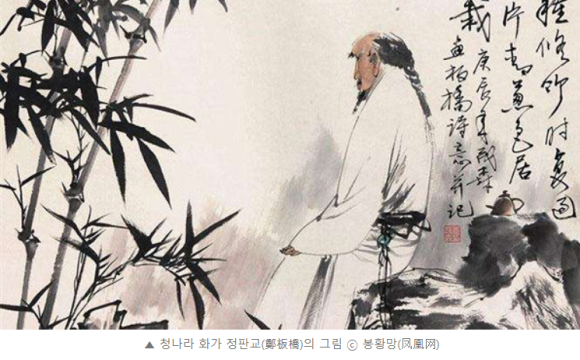
청나라 때 양주팔괴(揚州八怪) 중의 한 명으로 유명한 서화가인 정판교(鄭板橋, 판교는 호이고 이름은 섭燮)라는 사람이 있다. 별칭 그대로 양주팔괴 중의 한 사람인 그는 참으로 괴짜였지만, 시/서/화에 능해 삼절로 이름도 높았다고 하여, 그가 쓴 “난득호도(難得糊塗)는 지금도 많은 중국 사람들이 가훈으로 삼고 있다고 한다 (어려울 난 難 / 얻을 득 得 / 풀 호 糊 / 진흙 도 塗).
우리는 흔히 잘못된 보도를 들었을 때 “이야기를 호도하지 마라”라는 표현을 쓴다. 호도(糊塗)를 한자 그대로 직역하면 풀로 칠하고(糊) 진흙으로 덮는(塗) 것으로, 진실을 감추고 흐지부지하게 결말을 덮어버리려는 말이다.
그런데 이 호도를 사람의 경우에 빗대면 어떨까? 한마디로 흐리멍텅하고 어리석은 사람이 되는 것이다. 따라서 난득호도(難得糊塗)란 ‘(총명한 사람이) 어리석어 보이기는 어렵다’는 의미로써, 다음과 같은 일화가 전해지고 있다.
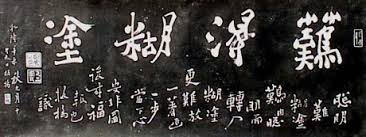
어느 날 정판교가 현령이 되어 거봉산을 찾았다가 어느 모옥(茅屋)에서 하루 밤 신세를 지게 되었는데, 그 집 주인은 스스로를 어리석게 살아가는 바보 늙은이라는 뜻으로 호도노인(糊塗老人)이라 소개하였다.
다음 날 호도노인은 집에 있는 큰 벼루를 보여주며 현령이 이곳까지 왔으니 벼루에 새길 좋은 글 하나를 써 달라고 부탁하였다.
정판교는 하룻밤 고마움의 표시로 호도(糊塗)를 빗댄, ‘바보 되기 어렵다’는 뜻인 ‘난득호도(難得糊塗)’라는 네 글자를 썼다. 그리고 스스로를 과시하는 의미로 청나라 황제였던 강희제, 옹정제, 건륭제 때 과거에 합격했던 사람과 자기는 다름이 없다는 의미로 ‘강희수재(康熙秀才) 옹정거인(雍正擧人) 건륭진사(乾隆進士)’라고 쓰고는, 호도노인에게 남은 빈 곳에 글을 써달라고 부탁을 했다.
그러자 호도노인은 아래와 같이 거침없이 글을 썼다.
아름다운 돌 얻기 어렵고 – 득미석난(得美石難)
굳센 돌 특히 얻기 어려우며 – 득완석우난(得頑石尤難)
아름다운 돌이 굳센 돌로 바뀌기는 더욱 어렵다 – 유미석전입완석갱난(由美石轉入頑石更難)
아름다움은 속에 있고, 굳셈은 밖에 있으니 – 미어중완어외(美於中頑於外)
시골사람 오두막에 숨어 살뿐 – 장야인지려(藏野人之廬)
부귀의 문 넘나들지 않는다 – 불입부귀문야(不入富貴門也)
노인이 쓴 이 글에 깜짝 놀란 정판교는 그제서야 산속에 사는 이 노인이 한 때 출중한 고관이었으나, 부귀영화를 버리고 자신을 숨기며 바보인 척 살아가는 범상치 않은 인물임을 알게 되었다. 정판교는 다시 붓을 들어 앞에 쓴 ‘난득호도’ 네 글자에 더하여 다음과 같이 썼다.
총명하기도 어렵고, 어리석기도 어려우며 -총명난 호도난(聰明難 糊塗難)
총명하면서 어리석어 보이기는 더욱 어렵다 -유총명이전입 호도경난(由聰明而轉入 糊塗更難)
집착을 내려놓고 한 걸음 물러서면 마음이 편해지니 -방일착 퇴일보 당하심안(放一着 退一步 當下心安)
원하지 않아도 나중에 복으로서 보답이 올 것이다 -비도후래 복보야(非圖後來福報也)
즉, 난득호도는 ‘총명하기는 어렵고 총명한 사람이 어리석어 보이기는 더욱 어렵다’는 말을 의미하는데, 역설적으로 보면 이렇게 어려운 만큼 학식이 뛰어나면서도 실력을 감추고 자신을 낮춰 어리석은 듯 행동하는 사람이 인품이 높다는 것을 표현하는 말이다.
따라서 내가 과연 아는 것은 얼마만큼이고 모르는 것은 어느 정도인지, 모르면서 배우려고 하지는 않는지, 혹은 모르는 것이 무엇인지도 모르고 살고 있지는 않은지, 스스로를 뒤돌아보며 하루하루를 겸손하게 배우고 익히기를 중단하지 말아야 할 것이다.
—————–
It is difficult for a wise person to appear foolish.
Zheng Banqiao (鄭板橋, courtesy name Xie 燮), one of the renowned painters among the “Eight Eccentrics of Yangzhou” (揚州八怪) during the Qing Dynasty, was known for his eccentricity. However, he was highly skilled in poetry, calligraphy, and painting, earning him the title of a “Three Perfections” artist. His phrase “Nande Hutu” (難得糊塗) is still widely regarded by many Chinese people as a family motto today. The phrase is composed of four Chinese characters: 難 (difficult), 得 (to obtain), 糊 (paste), and 塗 (mud).
When we hear false or misleading reports, we often say, “Don’t distort the truth.” The phrase “hutu” (糊塗), when translated literally, means to cover with paste (糊) and smear with mud (塗), implying the act of obscuring the truth or making something ambiguous.
But what if this concept of “hutu” were applied to a person? It would mean being dull and foolish. Therefore, “Nande Hutu” (難得糊塗) conveys the idea that it is difficult for a wise person to appear foolish. The following anecdote illustrates this meaning.
One day, Zheng Banqiao, serving as a county magistrate, visited Mount Gebong and stayed overnight in a thatched hut. The owner of the house introduced himself as “Hutu Laoren” (糊塗老人), meaning an old man who lived foolishly.
The next day, the old man showed Zheng Banqiao a large inkstone and requested that he inscribe a meaningful phrase on it since a magistrate had visited his home.
As a token of appreciation for the night’s hospitality, Zheng Banqiao wrote four characters: “Nande Hutu” (難得糊塗), meaning “It is difficult to be foolish.” To emphasize his own scholarly background, he also inscribed the titles he had attained under three Qing emperors: “Kangxi Xiucai” (康熙秀才), “Yongzheng Juren” (雍正擧人), and “Qianlong Jinshi” (乾隆進士), indicating that he had passed imperial examinations during the reigns of Kangxi, Yongzheng, and Qianlong. Then, he invited the old man to write something in the remaining space.
Without hesitation, the old man wrote:
“It is difficult to obtain a beautiful stone.” (得美石難)
“It is even harder to find a strong and unyielding stone.” (得頑石尤難)
“It is even more difficult for a beautiful stone to transform into an unyielding one.” (由美石轉入頑石更難)
“Beauty lies within, while strength lies on the outside.” (美於中 頑於外)
“A recluse hides in a humble hut in the countryside.” (藏野人之廬)
“He does not enter the gates of wealth and nobility.” (不入富貴門也)
Astonished by the old man’s profound words, Zheng Banqiao immediately realized that this seemingly foolish old man was once an outstanding official who had abandoned wealth and status to live in seclusion. Recognizing the wisdom in the old man’s words, Zheng Banqiao picked up his brush again and added to his inscription:
“It is difficult to be wise, and it is also difficult to be foolish.” (聰明難 糊塗難)
“It is even harder for a wise person to appear foolish.” (由聰明而轉入糊塗更難)
“Letting go of attachments and taking a step back brings inner peace.” (放一着 退一步 當下心安)
“Even without seeking it, blessings will eventually come.” (非圖後來福報也)
In essence, “Nande Hutu” expresses the idea that being wise is difficult, but for a wise person to appear foolish is even harder. Paradoxically, this difficulty highlights the virtue of those who, despite their intelligence and learning, choose to hide their abilities and humble themselves by acting foolishly.
Thus, one must constantly reflect on how much one truly knows and how much remains unknown. Are we willing to learn, or do we live without even realizing what we do not know? Every day should be a lesson in humility, continuous learning, and self-improvement.