요즘 나는 가능하면 매주 일주일에 한 권의 책을 읽고 있다. 하루에 한 권을 읽는 사람도 있다고 하니, 그에 비하면 한참 미치지 못하는 양이지만, 회사를 다니는 샐러리맨의 입장에서는 적지도 않고 많지도 않은 가장 적정한 수준이라고 생각한다.
하지만 이조차도 과거 내겐 무척 버거웠었다. 20년 전 대기업 팀장 시절엔 한 달에 한 권이 목표였던 것이 두 권이 되었다가, 차츰 늘어나서 세 권, 네 권이 된 것은 뚜렷한 독서 목표를 가지고 나서부터였다.
LG생명과학 마케팅전략팀장 시절에, 어느 정도 의약품에 대한 전문적인 지식을 미천하게나마 접하게 된 나는, 이 정도가 딱 나의 한계라는 생각이 들었다. 나는 절대로 의약품과 관련된 대학을 나오고 그 곳에서 약사, 석사, 박사를 받은 사람들의 전문지식을 따라잡을 수 없었다.
그렇다면 내게 필요한 것은 바로 내가 이 회사에 온 이유처럼 회사가 원하는 소비자 지향적인 마케팅 마인드와 인문학적 소양을 가진 나만의 자기다움이었다. 그래서 나는 자기다움에 승부를 걸기로 했다. 의약 전문가들에게 없는 나의 강점을 더욱 보강하는 것이 내가 그들과 다른 경쟁력을 더욱 강하게 가져갈 수 있는 길이라 생각한 것이다.
당시 새로운 직장에서 적응하기도 힘들었던 나는 어떤 배움의 장을 찾아갈 여력이 절대적으로 없었다. 그때부터 나는 책 읽기 목표를 수립하였다.
마케팅과 경영에 관련되어 더욱 전문적인 지식을 배양하기 위한 전문서적은 2주동안 1권을, 팀장으로서 리더십과 자기계발을 배양하기 위한 서적은 1주일에 한 권, 마지막으로 역사, 소설, 수필, 시집과 같은 문학, 인문 서적 또한 1주일에 한 권을 읽는 것이 당시 목표였는데, 나는 그 약속을 2010년에 처음 중국에 가서 사업을 시작했던 단 1년을 제외하고는 계속 지켜왔다.
그리고 임원이 된 후로는 두껍고 딱딱한 경영전문 서적보다 주로 인문서적들을 더 많이 읽게 되면서 한달에 4권 이상을 읽고 있다.
사마천의 사기에는 진시황제가 외부의 유능한 인재를 등용하는 것에 대해 그들의 충성도에 의문을 품은 내부 귀족들이 상소를 올려 축객령을 내리려고 하자, 이사(李斯)가 반대하는 상소문을 올린 내용이 나온다.
그 내용 중에 ‘태산불사토양(泰山不辭土壤), 고능성기대(故能成其大)’라는 말이 있다. 태산은 한줌의 흙이라도 사양하지 않아서, 큰 산이 될 수 있다는 의미이다.
태산이 중국의 명산이 될 수 있었던 것도 단 한줌의 작은 흙과 돌이 오랜 시간 쌓여서 만들어진 것처럼, 군왕도 외부 인재라고 차별하지 말고 한 명이라도 똑같이 기회를 주어야 군왕의 덕이 천하를 다스릴 수 있을 것이라는 말이다.
나는 독서도 마찬가지라고 생각한다. 책은 그 내용이 어쨌든 태산의 한줌 흙처럼 나의 지식을 쌓아가는 토대가 될 것이다.
물론 상황에 따라 독서를 하는 목적이 다를 수도 있다. 전문 지식이나 새로운 트렌드의 지식을 배우기 위해서일 수 있고, 피곤한 머리에 휴식을 주기 위한 것일 수도 있으며, 미래 목표를 달성하기 위한 준비일 수도 있다.
목적이 없는 독서는 그저 산보하는 것과 다름없다는 말도 있는 것처럼, 내 인생의 목표와 지금 현재의 상황이 만나는 점에서 그에 알맞은 책을 찾아 읽는다면 금상첨화일 것이다.
하지만 때론 그게 잘 안 맞을 수도 있고, 일어봤더니 불필요한 책이 될 수도 있겠지만, 나는 그래도 괜찮다고 생각한다. 나는 책의 질도 중요하지만, 양도 매우 중요하다고 생각하는 사람이기 때문이다.
내게 필요한 좋은 책 한 권 보다, 지금은 부족하고 실망스러울지도 모르는 책 열 권이 더 중요할 수도 있다. 무엇이 되었든 책을 한 권 읽으면 그 한 권의 이익이 전부 당장은 아니더라도 내게 다가올 것이고, 먼 길을 돌아오듯이 그때 불필요한 내용이라고 생각했던 것도, 나중에는 필요한 것이 되어 다시 돌아 올 것이라 믿기 때문이다.
그래서 책을 읽을 때는 메모도 중요하다. 메모가 힘들면 밑줄이라도 쳐 놓고 나중에 다시 확인해 볼 수 있으면 더욱 좋을 것이다. 언젠가 내 기억 저편에 한 때 읽었던 책의 편린이 스쳐지나 갈 때, 얼른 메모를 찾거나 책을 다시 꺼내 밑줄 친 부분을 흩어 본다면, 스쳐 지나갔던 책의 좋은 내용들이 그때야 비로소 마음 속에 한 점으로 더욱 다가올 수 있을 것이다.
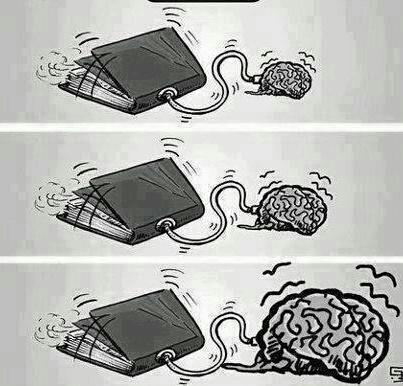
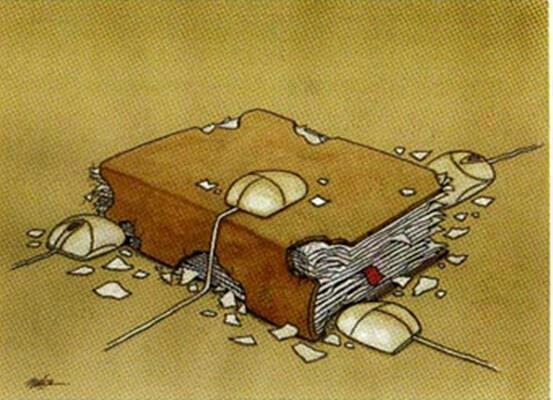
최근에는 많은 사람들이 인터넷이나 전자 책을 통해 책을 읽기도 하고 많은 정보를 습득한다. 분명 인터넷은 매우 중요한 정보와 지식을 빠르고 손쉽게 획득할 수 있는 훌륭한 매개체이지만, 화면에 나온 정보 한 곳에 집중하기가 쉽지가 않으며, 줄을 긋지도 못한다.
또한 인스턴트적인 정보는 쉽게 휘발성 되어 머리 속에서 사라지는 반면, 나중에 필요 시 다시 꺼내 보기도 쉽지가 않다. 한 연구 조사결과에 의하면 독서의 몰입 정도에서 인터넷보다는 모바일, 모바일 보다는 책이 더 몰입이 더 잘된다고 한 이유도 그렇다. 그런 점에서 나는 책은 반드시 글자로 인쇄되어 출간된 책을 읽기를 권한다.
T.S. 엘리엇은 말했다.
“우리가 정보의 홍수 속에서 잃어버린 지식은 어디에 있는가?”
정보를 찾고 활용하는 것이 단순히 한 순간의 필요에 의해서라면 지식은 좀 더 앞을 내다보며 미래에 일어날지도 모르는 어떤 일에 대비하는 보험처럼 부단히 쌓아가는 것이다. 정보의 홍수 속에 진정한 지식을 쌓기 위해서는 이제 인터넷과 스마트폰을 내려 놓고 책 속에 숨어있는 진리를 찾아 떠나는 여정의 시간을 더욱 늘릴 필요가 있다.
————-
These days, I try to read one book per week whenever possible. Some people even read a book a day, so compared to them, my reading volume is far from impressive. However, as a salaried worker, I believe that reading at this pace is neither too little nor too much—just the right amount.
Yet, even this was once a significant challenge for me. Twenty years ago, when I was a team leader at a major corporation, my initial goal was to read one book per month. Then, as I gradually set clearer reading goals, that number increased to two, then three, and eventually four books per month.
During my time as the head of the marketing strategy team at LG Life Sciences, I gained some basic knowledge of pharmaceuticals. However, I quickly realized that this was the limit of what I could grasp. No matter how hard I tried, I could never match the expertise of those who had studied pharmaceuticals in university and earned their degrees as pharmacists, master’s, or PhD holders.
Thus, I needed to focus on what truly made me unique—the reason the company hired me in the first place. My strength lay in my consumer-oriented marketing mindset and my broad humanities knowledge, which distinguished me from pharmaceutical experts. So, I decided to bet on my uniqueness. Strengthening my advantages, which others in the field did not possess, seemed to be the best way to enhance my competitiveness.
At that time, I was struggling to adapt to a new workplace and had no capacity to seek out additional learning opportunities. That was when I established my reading goals. I aimed to read one specialized book every two weeks to deepen my expertise in marketing and management, one book per week on leadership and self-development to grow as a team leader, and one book per week on literature, history, essays, or poetry for intellectual and cultural enrichment. I have maintained this commitment consistently, with the sole exception of 2010, the first year I started my business in China.
After becoming an executive, I began reading more humanities books than dense and technical management books, leading to a habit of reading at least four books per month.
In Records of the Grand Historian (Shiji), Sima Qian recounts an incident where Emperor Qin Shi Huang’s nobles, questioning the loyalty of foreign talents, submitted petitions urging him to expel them. In response, Li Si (李斯) opposed this motion with a memorial that included the phrase:
“Tai Mountain does not reject even the smallest speck of soil; thus, it becomes great.”
This means that Mount Tai became a grand and revered mountain because it accumulated even the tiniest grains of earth and stones over time. Similarly, a wise ruler should not discriminate against external talents but rather grant opportunities equally, ensuring their virtue extends across the empire.
I believe reading follows the same principle. No matter the content, every book is like a handful of soil that helps build my foundation of knowledge.
Of course, people read for different reasons depending on their circumstances. Some read to acquire professional expertise or keep up with new trends, while others read to relax their tired minds or prepare for future goals. As the saying goes, “Reading without a purpose is no different from aimless wandering.” Ideally, one should select books that align with their life goals and current situation.
However, sometimes the chosen books might not be the best fit, or they may seem unnecessary after reading them. But I believe that’s perfectly fine. While quality is important, I also place great value on quantity.
At times, ten seemingly unremarkable books may be more valuable than one outstanding book. Whatever the case, each book I read, even if its benefits are not immediately apparent, will eventually contribute to my knowledge. Just as a long journey can bring unexpected returns, information that once seemed irrelevant may later prove to be essential.
That is why taking notes while reading is crucial. If writing notes is too difficult, simply underlining key passages can help for future reference. When a long-forgotten fragment from a book resurfaces in my memory, I can quickly revisit my notes or flip through my underlined passages, allowing those valuable insights to resonate more deeply within me.
Nowadays, many people read books and acquire knowledge through the internet or e-books. While the internet is indeed an excellent tool for quickly accessing vast amounts of information, it is not easy to focus on one piece of information at a time, nor is it possible to underline passages for later reference.
Moreover, digital information tends to be ephemeral and easily forgotten. Studies have shown that reading immersion is strongest with physical books, followed by mobile devices, and weakest on the internet. For these reasons, I strongly advocate reading printed books.
T.S. Eliot once said,
“Where is the wisdom we have lost in knowledge? Where is the knowledge we have lost in information?”
If information is merely something we seek out for immediate needs, then knowledge is something we must continuously accumulate—like an insurance policy—preparing for unknown future challenges. To build true knowledge amid the flood of information, we need to put down our smartphones and immerse ourselves in the timeless wisdom hidden within books.