그렇다면 책을 100%를 나의 것으로 만드는 방법은 없을까? 어찌 보면 간단하면서도 어려울지도 모르겠지만, 정답은 책 내용을 남에게 이야기하는 것이다. 독서 토론회도 좋고 친구와 얘기해도 좋고, 특히 가장 좋은 것은 책의 내용을 정리해서 발표하는 것이다.
책 뿐만 아니라 어느 곳에서 누군가에게 교육을 받았든 간에 전달교육은 가장 좋은 학습법이다. 강의를 듣는 것으로만 그치지 않고, 책을 읽는 것으로만 그치지 않고, 이를 다시 한번 정리해서 남에게 전달한다는 것은 음식을 되새김질 해서 완전히 내몸에 흡수하어 내 것이 되도록 하는 순간이다.
최근 대기업 부장으로 있는 후배 한 명이 내게 이런 말을 해왔다.
“선배님, 우리회사에서는 존경하며 배울만한 멘토가 없어요. 혼자 배우며 일하려니 무척 힘이 듭니다.”
그 때 나는 그에게 이렇게 말했다.
“대기업 부장쯤 되었으면 이제는 본인이 멘토가 되어야지. 멘토가 되어 직원들을 가르치고 코칭하는 과정 속에서 남에게 배우는 것보다 스스로 더 많은 것을 배울 수 있을 것이야.”
기업에서 부장 정도면 회사의 임원들이 멘토가 되어야 하겠지만, 어디 현실적으로 우리나라 기업에서 부하들을 세심하게 신경 쓰며 가르치고 배려해주는 임원이 얼마나 있겠는가?
밑에서 보기에 임원이 한가해 보일지도 모르겠지만, 사실 위로 올라 갈수록 업무 영역이 늘어난 것만큼 업무량은 더 늘어나고, 파리 목숨 같은 계약직 근로자로서 임원들은 대부분 자기 살아 남기도 바쁘고 힘든 것이 현실이다.
그러다 보니 부장쯤 되는 직급이라면 이젠 스스로 알아서 커가야 한다. 결국 자신 스스로가 자신의 멘토가 되어야 한다는 것이다. 강의를 듣고 책을 읽고 이를 다시 정리해서, 부하직원들에게 자신의 경험을 함께 녹여서 상황에 맞는 교육을 한다면, 그만큼 더 좋을 수는 없을 것이다. 부하직원에게 교육을 하는 것은 상사에게 교육을 받는 것보다 더 값진 배움이다.
실제로 10여년 전 배움의 기회가 적은 중국에서 살았을 때, 나는 읽은 책의 내용을 워드로 정리해서 중국직원들에게 번역을 시킨 후, 다시 파워포인트로 교육자료를 직접 만들어서 직원들과 사업자들에게 교육을 자주 하였다.
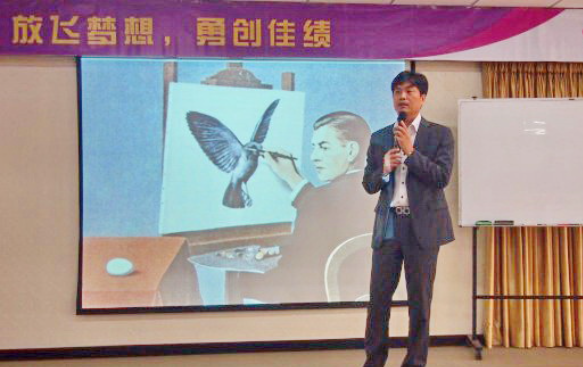
단순히 책의 내용을 요약해서 발표하는 것만이 아니다. 교육하고자 하는 주제에 맞게 새롭게 각색하고 편집하여 뺄 것은 빼고 더할 것은 더 넣어 완전한 나의 스토리로 만들어서 강의했다.
특히 그때 나는 중국인들의 눈 높이를 맞추기 위해서 파워포인트 작성에 더욱 많은 노력을 했다. 당시 말이 통하지 않아서 통역을 쓰는 교육환경에서는 글보다는 그림, 그림보다는 동영상으로 이해를 시키는 것이 더욱 효과적인 방식이라 생각했다.
그러기 위해 책에서 읽은 좋은 구절과 관련된 이미지 하나 하나를 찾기 위해 인터넷을 찾아 헤매기도 하였으며, 시간 날 때마다 지식채널e, 동물의 왕국, BBC 다큐멘터리, 국내 방송에서 방영한 수많은 시사교양 프로그램들을 보며 내용에 알맞은 동영상을 편집하여 교육에 활용하였다.
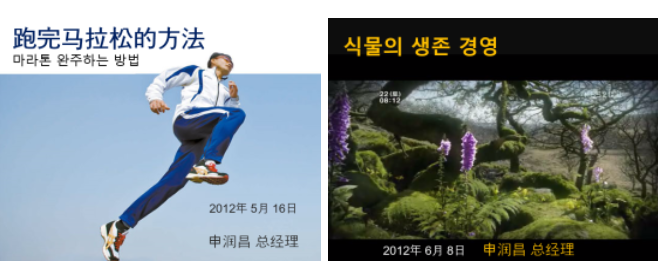
그리고 거기에 나의 경험과 철학이 담겨 하나의 이야기가 되고 현실로 이루어진다면, 남의 책을 통해 얻은 정보, 아이디어, 지식은 완벽한 나만의 스토리로 재탄생 되는 것이다.
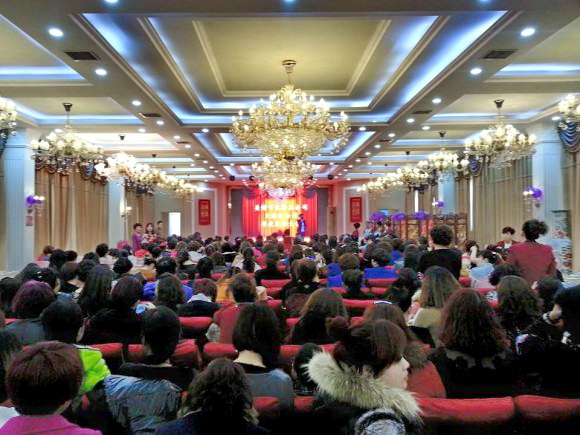
그래서 당시 중국 전역을 누비며 중국인 사업자들에게 했던 나의 강의는 매우 인기가 높은 편이었다. 나는 교육을 통해 때론 감동을 주어 눈물을 적시게도 하였으며, 때론 큰 웃음과 함께 중국인들에게 자신감과 긍정의 힘을 끌어냈다.
그때 교육 자료를 만들고 강의를 하면서, 책을 통해서 배우거나 몸으로 경험하면서 깨우친 것들을 통합하여 나의 것으로 만들게 되자, 나중에 나도 이렇게 생각과 내용을 정리하여 한권의 책으로 엮을 수도 있게 된 것이다.
나를 가장 잘 이해하고, 나를 가장 잘 가르쳐 줄 수 있는 사람은 그 누구도 아닌 바로 나 자신임을 알아야 한다. 내가 모르는 지식은 외부로부터 얻어야 하지만 나의 경험과 인생을 통찰할 수 있는 지혜는 바로 나 자신이 생산하는 것이다. 그 과정을 나는 배움과 함께 가르침을 통해 얻을 수 있다고 생각한다.
괴테는 말했다.
“나는 독서하는 방법을 배우기 위해서 80년이라는 세월을 바쳤는데도 아직까지 그것을 다 배웠다고 말할 수 없다.”
그렇다. 독서에 어떻게 한 가지 방법이 있고 정도가 있겠는가? 단지 나의 경험으로 미루어 볼 때, 지금까지 내용을 요약한 다음과 같은 5단계 과정으로 책 읽기를 해본다면, 과거 피상적으로 읽었던 것보다 더 큰 도움이 될 것이라고 확신한다.
- 목표 : 월 얼마나 많은 책을 읽을지 목표를 수립한다.
- 목적 : 지금 상황에 맞는 책을 선정한다.
- 다독 : 여러 권의 책을 읽으며 마음에 닿는 내용은 밑줄을 치며 끝까지 다 읽는다.
- 정독 : 다시 한번 밑줄 친 부분을 소리 내어 읽거나 메모를 하며, 내게 주는 의미가 무엇인지 사색을 한다.
- 발표 : 독후감을 써서 SNS에 올리거나, 발표자료를 만들어 동료 또는 부하 직원들에게 목적에 맞게 재편집하여 발표한다.
————-
Is there a way to fully internalize a book and make 100% of its content yours? The answer, though simple yet challenging, is to explain the book’s content to others. This could be through a book discussion group, a conversation with a friend, or, best of all, summarizing the book and presenting it to an audience.
Not just books—no matter where you learn something, teaching others is one of the most effective learning methods. Simply attending a lecture or reading a book is not enough. The moment you reorganize and deliver that knowledge to others is when it truly becomes a part of you, much like how food is fully digested and absorbed into the body.
Recently, a younger colleague, now a senior manager at a large corporation, told me:
“Senior, in my company, there’s no mentor I can truly respect and learn from. Learning and working alone is very difficult.”
I responded,
“At your level, it’s time for you to become the mentor. By mentoring and coaching your subordinates, you’ll learn even more than if you had a mentor yourself.”
In a corporate setting, it is the executives who should ideally serve as mentors. However, in reality, how many executives in Korean companies truly take the time to teach and guide their subordinates?
While executives may appear to have less to do, the higher one climbs, the more responsibilities and workload increase. Additionally, as executives are often contract employees with little job security, many are too preoccupied with their own survival to focus on mentoring others.
This means that once you reach a managerial level, you must learn to grow on your own. Ultimately, you must become your own mentor. If you take the knowledge gained from lectures and books, organize it, and incorporate your own experiences to teach your subordinates, the learning process becomes even more effective. Teaching subordinates can be even more valuable than receiving training from a superior.
Over a decade ago, when I lived in China, where access to learning opportunities was limited, I would summarize the books I read in Word documents and have my Chinese employees translate them. Then, I would create PowerPoint presentations and use them to educate employees and business partners.
It wasn’t just about summarizing the book’s content. I would carefully edit and tailor the material to fit the topic, removing unnecessary parts and adding new elements to create a unique and complete narrative that was truly mine.
Since I needed to cater to the Chinese audience, I put extra effort into PowerPoint presentations. In an environment where I had to rely on interpreters, I found that using images was more effective than text, and videos worked even better than images.
To achieve this, I spent hours searching the internet for the perfect images to match meaningful book excerpts. In my free time, I watched educational programs such as Knowledge Channel e, Animal Kingdom, BBC documentaries, and various current affairs programs, selecting and editing relevant video clips to incorporate into my training sessions.
By blending my experiences and philosophy into my lectures, I transformed information, ideas, and knowledge acquired from books into a unique personal narrative.
As a result, my lectures to Chinese businesspeople across the country gained considerable popularity. Through education, I moved audiences to tears at times, and at other times, I brought laughter while instilling confidence and positivity in them.
As I developed training materials and delivered lectures, I integrated what I had learned from books and real-life experiences. This process allowed me to fully absorb the knowledge, and later, it became the foundation for organizing my thoughts and writing my own book.
You must understand that no one knows or teaches you better than yourself. While external knowledge must be acquired from others, the wisdom to interpret your own life and experiences comes from within. I believe that teaching is an essential part of the learning process.
Goethe once said,
“I have spent 80 years learning how to read books, yet I still cannot say I have mastered it.”
Indeed, there is no single correct method for reading. However, based on my experience, following the five-step reading process below will be far more effective than merely skimming through books as I did in the past:
- Set a Goal – Determine how many books you aim to read per month.
- Define a Purpose – Choose books that align with your current situation.
- Extensive Reading – Read multiple books, underlining passages that resonate with you.
- Intensive Reading – Revisit underlined sections, read them aloud or take notes, and reflect on their meaning.
- Present – Write a book review and share it on social media, or create a presentation and deliver it to colleagues or subordinates, tailoring it to the intended purpose.
By applying this structured approach, you will find that your reading becomes much more meaningful, transforming knowledge from books into wisdom that is entirely your own.