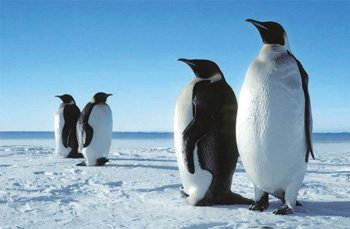
예전에 MBC 방송에서 방영했던 <남극의 눈물>이란 다큐멘터리를 매우 감동적으로 봤다. 남극은 누가 뭐라해도 펭귄들의 땅이었다. 그러나 여러 종류의 펭귄들 중 나를 감동시켰던 것은 황제펭귄이었다. 새끼를 위해 모든 것을 바치는 황제펭귄의 부정(父情)에 개인적인 감동도 있었지만, 경영자의 입장에서는 좀 더 다른 측면으로 황제펭귄이 다가왔다.
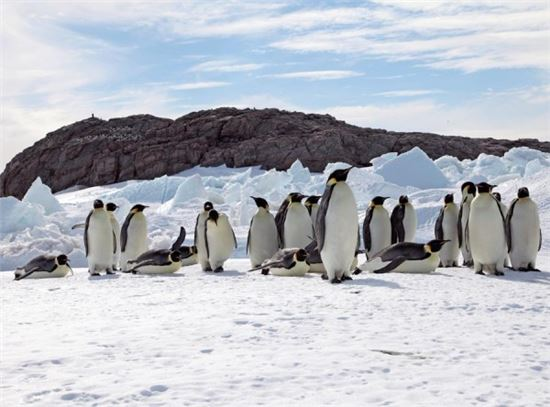
대부분의 펭귄들이 먹이가 풍부하고 그나마 좀 더 따뜻한 바닷가에서 군락을 이루며 풍요롭게 살고 있는 것에 반하여, 황제펭귄은 바다에서 멀리 떨어진 가장 추운 내륙을 선택하였다. 천적인 바다표범이나 도둑갈매기로부터 소중한 새끼와 자신의 목숨을 지키기 위해, 먹이가 풍부하고 따뜻한 바다와 멀리 떨어진, 거센 눈바람과 영하 40도가 넘는 강추위를 선택한 것이다.
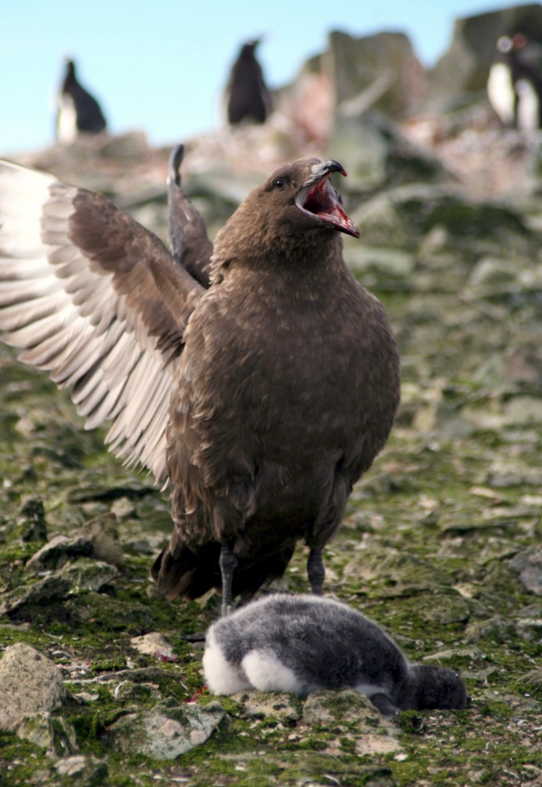
황제펭귄의 선택은 엄청난 고난이었다. 남극, 그곳도 가장 추운 내륙, 영원한 얼음의 땅, 그곳은 그 어떤 천적보다도 힘든 추위와의 싸움이었다. 그러나 결국 그들은 자연을 극복하는 방법을 터득하였고, 지금도 생존하고 있다.
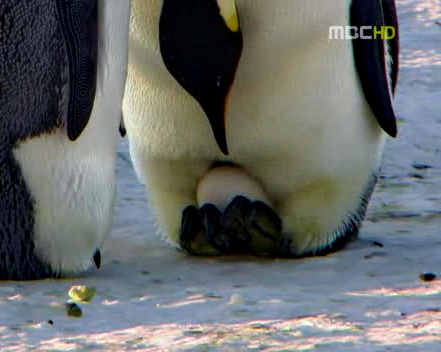
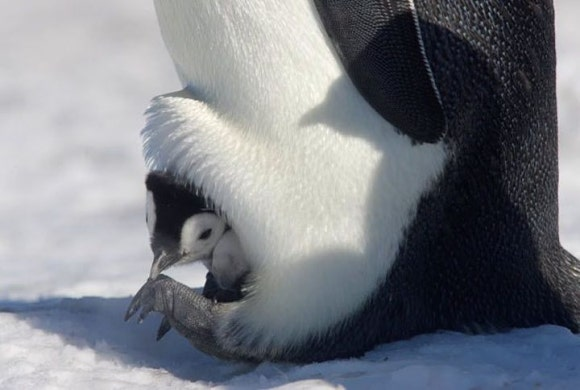
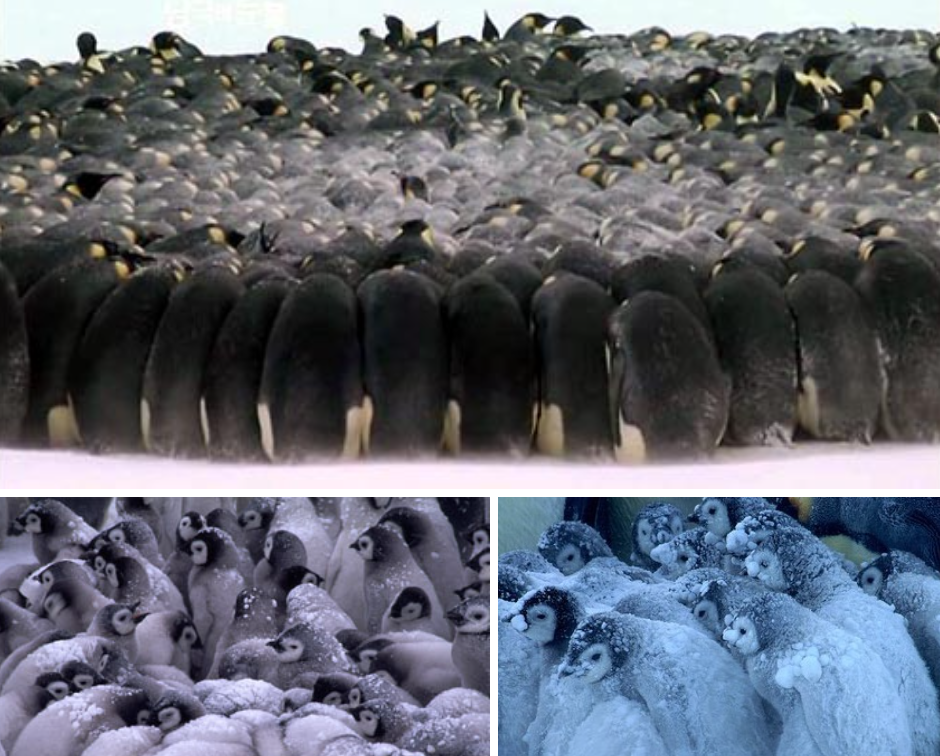
황제펭귄은 먼저 자신들의 신체를 두터운 지방질로 이루어진 육중한 몸으로 바꾸어, 추위를 버티고 오랫동안 먹지 않아도 견딜 수 있는 개인 저장 창고를 만들었으며, 혼자의 힘으로는 극복하기 힘든 강추위를 이기기 위해 서로의 체온으로 추위를 이기는 허들링(Huddling)이라는 집단 협력의 체계도 만들었다. 또한 알을 하나만 낳아 추운 땅이 아닌 아비의 발등에서 두터운 뱃살로 덮어 부화하고, 어미와 아비가 교대로 새끼를 키우며 먹이를 공급하는 부창부수(夫唱婦隨)의 지혜도 깨우쳤다.
그럼 이런 황제펭귄의 생존의 힘은 과연 어디에 있었을까?
바로 혁신(革新)과 협력(協力)에 있다.
혁신의 “革”은 가죽을 뜻한다. 과거 동물의 가죽을 벗겨서 수많은 무두질의 힘듦과 오랜 시간의기다림이 있어야만, 우리가 입을 수 있는 새로운 가죽 옷으로 탄생했듯이 혁신은 그만큼 어렵고 오랜 기다림이 필요한 것이었다.
하지만 현재는 그런 기다림 대신에 썩은 살을 바로 도려내야 새살이 돋아 나듯이, 살(가죽)을 벗기는 지독한 고통의 대가를 치루어야만 혁신을 얻을 수가 있다. 황제펭귄은 여느 펭귄들처럼 날기를 포기하고 날개 대신 수영에 편리한 지느러미 같은 날개를 얻었지만, 다른 펭귄들과는 달리 비대한 몸집과 함께, 차갑고 딱딱한 얼음의 땅을 걷기 위해 날카로운 발톱과 견고한 피부의 발도 얻어냈다. 이것은 환경에 적응하기 위한 자연스런 진화일 수도 있지만 엄청난 자기계발이고 혁신에 가깝다.
또한 협력의 한자를 살펴보면 열 십(十)자와 힘 력(力)자 세개로 이루어져 있다. 나무(木)가 두 개면 숲(林)을 이루고, 세 개면 더 무성한 숲(森)이 되어, 이 두 글자를 합한 다섯 개의 나무를 우리는 삼림(森林)이라고 한다. 그런데 협력(協力)은 힘(力)이 세 개인 것도 모자라 그 앞에 10(十)을 더했다. 아마도 세 사람의 힘이 열 배의 효과를 나타내는 것이 협력임을 표현한 것 같다.
그 만큼 단체의 힘은 놀라운 기적을 보여주는 것이다. 황제펭귄의 허들링은 일정한 시간을 주기로 바깥의 펭귄이 안으로 들어오고, 안의 펭귄이 바깥으로 나가는 과정 속에, 나 하나만 좀 더 따뜻해야겠다는 이기심보다는 바깥의 동료를 생각하는 배려심에 의해 이루어진 놀라운 산물이다. 수만 마리의 황제펭귄 집단과 허들링이라는 협력체계는 바로 황제펭귄이 동토(凍土)의 남극 내륙에서 살아날 수 있도록 변화된 생존법인 것이다.
펭귄들은 같은 조류로서, 철새처럼 따뜻한 곳으로 날아가버리면 좋았겠지만, 풍요로운 먹이가 넘치는 바다가 있는 남극에 남는 것을 선택했다. 그러나 황제펭귄은 좀 더 따뜻하고 먹이가 풍족한 바닷가를 버리고, 오히려 남극에서도 가장 추운 내륙을 선택하였고, 자신이 선택한 길에서 도망가지 않고 당당히 맞서서 이겨내었다.
하지만 분명히 지구상에서 가장 강한 추위와 맞서 싸우는 것은 엄청난 아픔이 따랐을 것이다. 어쩌면 지금 황제펭귄의 선조들은 그 매서운 아픔에 두려워 다시 따뜻한 남쪽 바다로 도망치고 싶었을지도 모른다. 그러나 그런 두려움은 협동의 힘으로 극복할 수가 있었고 그들은 변화하여 생존하였다.
——————
About a decade ago, I was deeply moved by a documentary titled Tears of the Antarctic, which aired on MBC. Regardless of what anyone says, Antarctica is the land of penguins. Among the various species of penguins, the one that touched me the most was the Emperor Penguin. While I was personally moved by the Emperor Penguin’s paternal love, which dedicates everything to its offspring, as a manager, the Emperor Penguin came to me in a slightly different aspect.
While most penguins form colonies and live abundantly by the sea where food is plentiful and relatively warm, the Emperor Penguin chose the coldest inland area far from the sea. To protect their precious offspring and themselves from predators like leopard seals and skuas, they chose to live far from the food-rich, warm sea, enduring fierce snowstorms and temperatures dropping below minus 40 degrees Celsius.
The choice of the Emperor Penguin was one of tremendous hardship. Antarctica, especially its coldest inland regions, is a land of eternal ice, where the struggle against the harsh cold is even more challenging than against any natural predator. However, they eventually mastered the art of overcoming nature and have survived to this day.
The Emperor Penguins first adapted their bodies to be heavy with thick layers of fat, creating personal storage units that allowed them to endure the cold and go without food for long periods. To overcome the severe cold that is difficult to survive on their own, they developed a system of collective cooperation called “huddling,” where they share body heat to withstand the cold. They also learned the wisdom of laying only one egg, incubating it not on the cold ground but on the father’s feet, covered by a thick belly. The mother and father take turns raising the chick and providing food in a harmonious partnership.
So, where does the Emperor Penguin’s strength to survive come from?
It lies in innovation(革新) and cooperation(協力).
The Chinese character for innovation(革新), “革,” means leather. In the past, it took a lot of hard work and a long wait to turn the skin of an animal into a new leather garment we could wear, so innovation was something that required patience and difficulty.
However, today, instead of waiting, as one has to cut away the rotten flesh immediately to allow new flesh to grow, one must pay the price of intense pain, like peeling off skin, to achieve innovation. Unlike other penguins, Emperor Penguins gave up flying and gained wings suitable for swimming, but they also developed a large body, sharp claws, and firm skin on their feet to walk on the cold, hard ice. This may be a natural evolution to adapt to the environment, but it is a significant self-development and close to innovation.
When you look at the Chinese character for cooperation, “協力,” it consists of three “力” (strength) characters and the numeral ten “十.” If two trees make a forest (林) and three trees make a denser forest (森), combining these five trees forms a woodland (森林). In contrast, cooperation (協力) has not only three “力” (strength) characters but also adds the number ten “十.” It seems to express that the strength of three people can show ten times the effect, which is cooperation.
The power of a group shows astonishing miracles. Emperor Penguin’s huddling involves a process where the penguins on the outside come inside, and the ones inside move out at regular intervals. This incredible phenomenon is driven by consideration for others rather than selfishness, where they think of their comrades outside. The collective and cooperative system called huddling among tens of thousands of Emperor Penguins is precisely the survival method that allows them to live in the frozen interior of Antarctica.
As the same birds, penguins could have flown to warmer places like migratory birds, but they chose to stay in Antarctica, where the sea is full of abundant food. However, the Emperor Penguin abandoned the relatively warmer and food-rich seaside and chose the coldest inland area in Antarctica. They did not flee from the path they chose but faced it bravely and overcame it.
However, fighting against the most severe cold on Earth undoubtedly comes with immense pain. Perhaps the ancestors of the current Emperor Penguins wanted to escape back to the warm southern sea out of fear of the biting cold. However, they could overcome that fear with the power of cooperation, and they transformed to survive.