

우리의 삶은 수많은 정보의 홍수 속에서 점점 더 복잡해지고 있다. 한 소비자가 어떤 브랜드를 구입하는 것은 이제 더 이상 제품을 산다는 하나의 단순한 사실이 아니다. 그 소비자의 선택이라는 사실 속에는 복잡한 외부환경에 대한 마케팅 조사 및 분석과 의도된 소비자의 심리적 자극을 위한 활발한 커뮤니케이션 활동이 숨어 있다.
하루에도 수 천 개의 기업에서 수만 가지의 브랜드를 광고하고 홍보하고 있다. 소비자는 브랜드의 홍수 속에서 어느 것을 선택할지 몰라 혼란스러워하며, 기업은 그런 소비자의 마인드에 자신의 브랜드를 자리잡게 하기 위해 온 힘을 기울이고 있다.
소비자이며 또한 생산, 판매자인 우리는 이렇게 항상 선택을 강요 받고 있으며, 또한 강요하고 있다. 그렇기 때문에 올바른 판단에는 올바른 정보가 필요한 것이다.
기업은 다양한 조사를 통해 각종 데이터와 정보를 수집하고 분석한다. 그리고 소비자 또한 기업이나 각종 연구기관이 발표한 정보를 수집하고 어떤 투자를 결정하려고 한다. 심지어는 인터넷에서 제품 하나를 살 때도 인플루언서나 이미 구매한 사람들의 의견을 꼼꼼하게 검토하고 있다. 그렇다면 우리가 찾아보는 수많은 정보(Information)와 데이터(Data)에 대해 명백한 정의가 필요할 때이다.
먼저 사전적 의미를 보면, 데이터는 관찰이나 조사를 통해서 수집된 사실(Fact) 또는 값(Value)들이 정리되어 있는 것을 의미하며, 정보란 어떤 상황에서 적절한 의사 결정을 할 수 있도록 지원하는 지식으로, 수집된 데이터의 유효한 해석이나 가공된 형태를 의미한다.


따라서 데이터가 특정 사실을 보여주는 정지된 사진이라면, 정보는 끊임없이 움직이고 있는 동영상이나 다름없다. 마치 지구상의 생명체들이 생존을 위해 살아가는 생태계처럼 수많은 데이터들이 서로 유기적으로 연결된 정보는 멈추어 있지 않고 흐르고 있다.
즉, 생물들이 외부 환경의 변화를 인지하고 자극을 받아 변화해 가는 과정처럼, 사람들도 환경의 변화를 알아내고 분석, 평가하여 적응하고 살아가기 위해 정보생태계를 활용하는 것이다. 따라서 기업의 성공적인 전략은 바로 기업의 생존과 직결하는 것으로, 단순한 데이터가 아닌 정보를 올바르게 파악하는 것이 그 무엇보다도 중요하다.
예전에 다녔던 애경산업 마케팅부에서는 멋진 캣치 프레이즈(Catch Phrase) 하나가 붙여 있었는데 지금까지도 내 마음 속에 중요한 글귀로 자리 잡혀 있다.
“정보는 독점하는 것이 아니라 공유하는 것이다.”
하지만 불필요한 정보가 너무 많아지면 의미는 더욱 적어지듯이 정보는 어떻게 모으고 사용하는가에 따라 독이 되기도 하고 득이 되기도 한다. 이런 측면에서 올바른 정보 파악을 위해 내가 무척 중요하게 생각하는 말이 하나 더 있다.
“Garbage-In, Garbage-Out
(쓰레기를 넣으면 쓰레기가 나온다)”

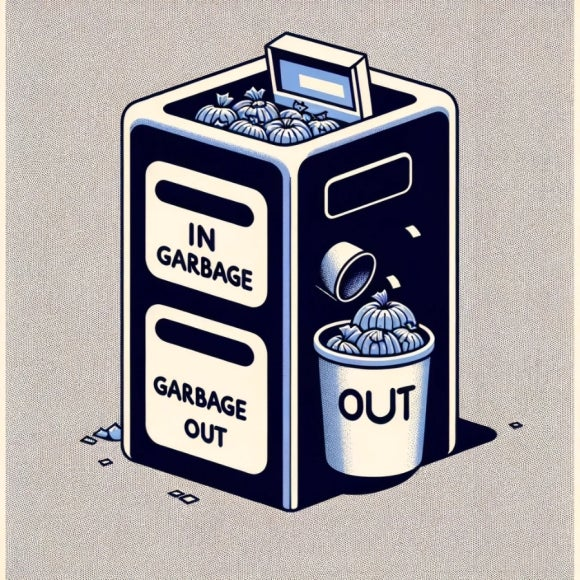
모든 정보는 인풋(Input)에 의한 아웃풋(Output)이다. 즉, 결과에는 원인이 있듯이 모든 정보에는 데이터가 있다. 따라서 잘못된 데이터의 입력은 잘못된 정보를 초래하고 잘못된 의사결정과 판단을 가져온다.
집을 지을 때도 설계도가 필요하고, 이에 따라 땅을 파고 기초를 다지듯이, 정보를 수집하기 위해서도 전략의 초기 계획단계부터 추구하는 목적이 무엇인지가 명확히 파악되고 설계되어, 쓰레기가 아닌 양질의 데이터가 확보되어야 한다.
훌륭한 음식도 원재료가 중요한 것처럼 바른 먹거리가 비롯되어야 맛있고 건강한 식사를 즐길 수가 있는 것이다.
—————
Our lives are becoming increasingly complex amid the flood of information. A consumer’s purchase of a brand is no longer a simple act of buying a product. Embedded within the consumer’s choice are in-depth marketing research and analysis of a complex external environment, along with active communication efforts designed to psychologically stimulate the intended audience.
Thousands of companies advertise and promote tens of thousands of brands every day. Consumers, overwhelmed by the flood of brands, feel confused about which to choose, while companies pour their energy into embedding their brand in the consumer’s mind.
As both consumers and producers or sellers, we are constantly forced to make choices—and to impose choices on others. Therefore, sound judgment requires accurate information.
Companies collect and analyze various data and information through diverse research methods. Likewise, consumers try to gather information released by companies or research institutions to make investment decisions. Even when purchasing a single product online, they meticulously review the opinions of influencers and previous buyers. Hence, it is time to clearly define the numerous pieces of information and data we seek.
According to dictionary definitions, data refers to organized facts or values collected through observation or research, whereas information is knowledge that supports appropriate decision-making in a given context, derived from the valid interpretation or processing of collected data.
If data is like a still photograph showing specific facts, information is akin to a constantly moving video. Just as organisms in an ecosystem live and interact for survival, organically connected data flow continuously as information.
In other words, just as living beings sense environmental changes and respond accordingly, humans analyze and evaluate environmental shifts to adapt and survive through the information ecosystem. Thus, a company’s successful strategy, directly tied to its survival, depends not merely on data but on the accurate grasp of information.
In the marketing department at Aekyung Industrial where I used to work, there was a brilliant catchphrase that has remained meaningful to me ever since:
“Information is not to be monopolized, but to be shared.”
However, just as an excess of unnecessary information diminishes its meaning, information can either be a benefit or a detriment depending on how it is collected and used. In this context, another phrase I value highly for understanding information accurately is:
“Garbage-In, Garbage-Out.”
All information is an output based on input. Just as there is a cause behind every result, data underlies all information. Incorrect input data leads to flawed information, resulting in poor decisions and judgments.
Building a house requires a blueprint, digging the ground, and laying a foundation. Likewise, when collecting information, the goal pursued must be clearly identified and designed from the initial planning stage of the strategy so that high-quality data, not garbage, is secured.
As with fine cuisine where ingredients are crucial, only good ingredients can produce a delicious and healthy meal.