과거 중국법인장으로 있을 때, 나는 중국 전역의 소규모 매장들과 신규거래를 트거나 지속적인 거래를 유지하기 위하여 매월 점포를 가지고 있는 중국인 점장들을 대상으로 사업설명회를 하였다.
주로 현 단위 또는 시 단위로 20~50명 정도가 참석하는 작은 설명회가 개최되었지만, 매월 평균 3개 지역 정도에서는 성 단위로 200명 이상의 점장들이 참석하는 대규모 사업자 설명회도 개최하였다.
나는 한 달에 약 50여 회가 벌어지는 설명회에 모두 다 참석하지는 못했지만, 이런 대형 설명회를 할 때면 직접 참석해서 인사말도 하고 교육도 하였다.
각 지역의 중국인 영업책임자들과 거래선들에게 회사의 위용을 보여주는 한편, 가짜가 판치는 중국에서 우리회사가 진정한 한국 화장품 회사임을 증명하기 위해, 나를 포함한 회사의 한국인 리더들은 설명회에 직접 참석해서 강연도 했던 것이다.
이는 회사의 진정성과 신뢰성을 부여하는 한편, 배움의 기회가 적은 점장들에게 작은 지식이나마 전달함으로써 우리회사와 거래를 하면 계속 좋은 교육의 기회가 있음을 보여주어, 단발성의 신규거래가 아닌 지속적인 거래를 유도하는 일석이조의 전략이라 할 수 있었다.
당시 나는 피상적인 인사말을 하지 않았다. 프레젠테이션 자료를 준비해서 재미있고 인상적인 한 마디를 그들의 뇌리 속에 꽂는 한편, 그 의미를 통해 회사와 거래를 하도록 유도하는 방식을 사용했다.
나는 중국인 점장들이 그 동안의 관성과 타성을 깨우치고 새로운 변화를 따라야 한다는 자극을 주었다. 그리고 그 자극의 결과는 지금까지 거래했던 회사가 아니라 우리회사와 거래하는 것이다. 이는 무척 어려운 일이었지만, 어찌보면 콜롬부스의 달걀처럼 쉬운 일이기도 했다. 그들의 뇌를 약간 조작만 하면 되는 것이었다.
앞서 얘기했듯이 인간의 뇌는 그 복잡성 때문에 자꾸 단순해지려 하고 게을러진다. 그리고 그런 게으름에 대한 관성의 법칙 때문에 타성에 젖고 고정관념이 생기는 것이다. 그렇다면 관성의 법칙이 도대체 무엇이길래 이토록 우리를 힘들게 하는지 관성에 대해 알아볼 필요가 있겠다.
초등학교 과학시간에 배운 관성의 법칙이란 정지한 물체는 계속 정지해 있으려고 하고, 움직이는 물체는 계속 움직이려고 하는 성질이다. 한 마디로 자기가 하던 데로 그냥 계속 하려고 하니, 기분 나쁘게 성질 건드리지 말라고 하는 나쁜 놈인 것이다.
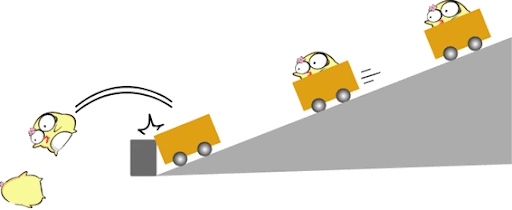
그래서 이런 나쁜 성질을 바꾸려면 힘이 필요하다. 때로는 법보다 주먹이 빠를 때가 있는 것처럼, 자연의 법칙인 관성을 거역하기 위해서 우리는 물리적인 힘을 가해야만 한다.
버스를 타고 가다가 갑자기 급커브를 하면 모든 승객들은 동시에 한쪽으로 치우치게 된다. 버스는 커브를 틀어 다른 쪽으로 가고자 하는데, 관성은 아까 갔던 데로 계속 가라고 밀어 붙이기 때문이다.
그러면 우리는 어떤 행동을 취하는가? 넘어지지 않기 위해 손잡이를 꽉 잡고 다리에 힘을 주며 몸을 바로 세우려고 힘을 준다. 바로 본능적으로 관성의 법칙에 저항하는 것이다. 이렇듯 우리의 몸은 쓰러지지 않기 위해 본능적으로 관성에 저항하며 살고 있는 것이다.
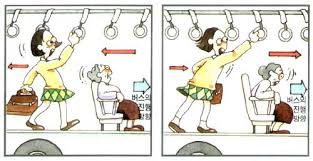
그런데 이 점에서 뭔가 이상하다는 생각이 들지 않는가? 몸은 관성에 저항하고 살고 있는데, 왜 마음은 관성에 순응하고 있는지 말이다. 뇌가 행동을 지배한다고 했는데, 행동 따로 마음 따로란 말인가?
물론 그렇지는 않다. 이미 경험을 통해 알게 된 #습관 에 의해, 몸은 뇌의 생각을 따르기도 전에 먼저 반응하여 위험에 대비하는 것이고, 뇌는 생각조차도 하지 않으려 한다는 것은 이미 여러 번 말하였다.
그런 뇌의 착각 때문에 마음의 관성은 잘 바뀌지 않는 것이다. 몸은 위험에 반응하여 대항하지만, 마음은 위험 신호조차도 느끼지 못하고 관성의 늪에 서서히 빠져들고 만다. 그렇게 되어 관성은 타성을 만들고 고정관념과 편견을 만드는 것이다.
이렇게 쌓인 고정관념 은 참으로 깨기가 쉽지 않은 일이지만, 마치 최면술처럼 약간의 암시로 고정관념에서 벗어나야 한다는 마음을 가지게 할 수도 있고, 그 마음에 의지를 심어줄 수도 있다.
백화점에 가면 자기도 모르게 충동구매하게 되는 것도 어쩌면 백화점의 아름다운 진열과 점원들의 상냥한 아부의 말에 순간적으로 자기최면에 걸리기 때문일 것이다.
따라서 이런 잘못된 관성의 법칙을 사람들에게 깨우쳐 주기만 하면, 뇌도 비로소 몸이 그러하듯이 관성에 저항하려고 한다. 그 점이 내가 활용하는 뇌를 조작하는 방법이다.
—————–
During my tenure as the head of the Chinese branch, I regularly held business briefing sessions for Chinese store managers across the country who operated small-scale shops, in order to establish new partnerships or maintain ongoing transactions.
While these sessions were typically small in scale, with about 20 to 50 attendees at the county or city level, large-scale business briefings attended by more than 200 store managers were also held approximately three times a month at the provincial level.
Although I could not attend all 50 or so briefings held each month, I made sure to be present at these large-scale events to deliver greetings and provide training.
Alongside local Chinese sales managers and business partners, Korean executives, including myself, participated in these sessions to project the authority of the company and prove that, in a market flooded with counterfeits, ours was a genuine Korean cosmetics company.
This served a dual purpose — it not only conveyed the company’s authenticity and reliability but also offered even a small dose of knowledge to store managers with limited learning opportunities, thereby showing that doing business with our company meant access to continued educational benefits. This was a strategic approach aimed at encouraging long-term transactions rather than one-off deals.
At the time, I refrained from delivering superficial greetings. I prepared presentation materials to insert a fun and memorable line into the attendees’ minds and used that message to lead them to choose our company as their business partner.
I provoked Chinese store managers to break free from inertia and passivity and embrace new changes. The outcome of this stimulation was that they chose to work with our company, not the one they had previously dealt with. Though challenging, it was, in some ways, as simple as Columbus’s egg — all it took was a slight nudge to rewire their thinking.
As mentioned earlier, due to its complexity, the human brain constantly tries to simplify and becomes lazy. This laziness results in inertia and the formation of fixed ideas due to the law of inertia. So, what exactly is the law of inertia that makes our lives so difficult? It’s worth taking a closer look.
The law of inertia, taught in elementary school science classes, states that an object at rest tends to remain at rest, and an object in motion tends to continue moving. In short, it’s a bad habit that resists change, demanding not to be disturbed in its current state.
Changing this undesirable trait requires force. Just like how fists sometimes work faster than the law, overcoming this natural law of inertia demands a physical force.
When a bus makes a sudden sharp turn, all passengers are pushed to one side. The bus attempts to change direction, but inertia keeps pushing the passengers in the direction the bus was originally going.
What do we do in such situations? We instinctively resist inertia — gripping the handrails tightly and bracing our legs to avoid falling. This is the body’s natural reaction to inertia. We live by resisting inertia physically to avoid falling.
But doesn’t something feel off here? Our bodies instinctively resist inertia, yet our minds seem to conform to it. If the brain governs our actions, why are the body and mind behaving differently?
Of course, that’s not the case. As previously explained, the body reacts to danger even before the brain processes thoughts due to habits learned from past experiences, while the brain tries to avoid even thinking — something I’ve emphasized several times.
It is this cognitive illusion of the brain that makes mental inertia so hard to overcome. The body reacts to danger and resists it, but the mind gradually succumbs to inertia without even perceiving the warning signs. As a result, inertia breeds passivity, fixed ideas, and prejudice.
These ingrained stereotypes are not easy to break, but just like hypnosis, a subtle suggestion can trigger a desire to escape those mental constraints and instill the will to do so.
The reason people often make impulsive purchases in department stores may be because the beautiful displays and the clerks’ flattery put them into a momentary state of self-hypnosis.
Therefore, simply awakening people to the flawed nature of the law of inertia enables the brain to begin resisting it, just as the body does. This is the method I use to manipulate the brain.