

관점의 전환이 가져다 준 상반되는 성공과 실패 사례가 있다. 일본의 두 농부에 대한 이야기이다.
2001년 6월 15일자 USA투데이지에는 일반적인 원구형 수박이 아닌 육면체 사각형의 수박을 소개하는 기사가 실렸었다. 그런데 이 수박의 당시 가격은 자그마치 한 개에 82달러나 되었다. 12년 전이 아닌 지금이라고 해도 여러분은 사각형 수박을 과연 9만원이나 주고 사먹을 수 있을까?
수박이라는 것이 관상용으로 진열하며 두고두고 바라보는 것도 아니고, 잘라서 시원하게 한번 먹으면 더 이상 그 효용가치가 사라지고 마는 것인데, 원형이 아닌 사각형 모양이라고 해서 과연 소비자들이 9배의 돈을 지불할 만한 가치가 있겠는가? 남들과 다르게 한다는 발상의 전환은 좋았지만, 이는 전적으로 소비자의 가치를 생각하지 않고, 생산자의 입장에서만 생각한 차별화의 실패 사례였다.

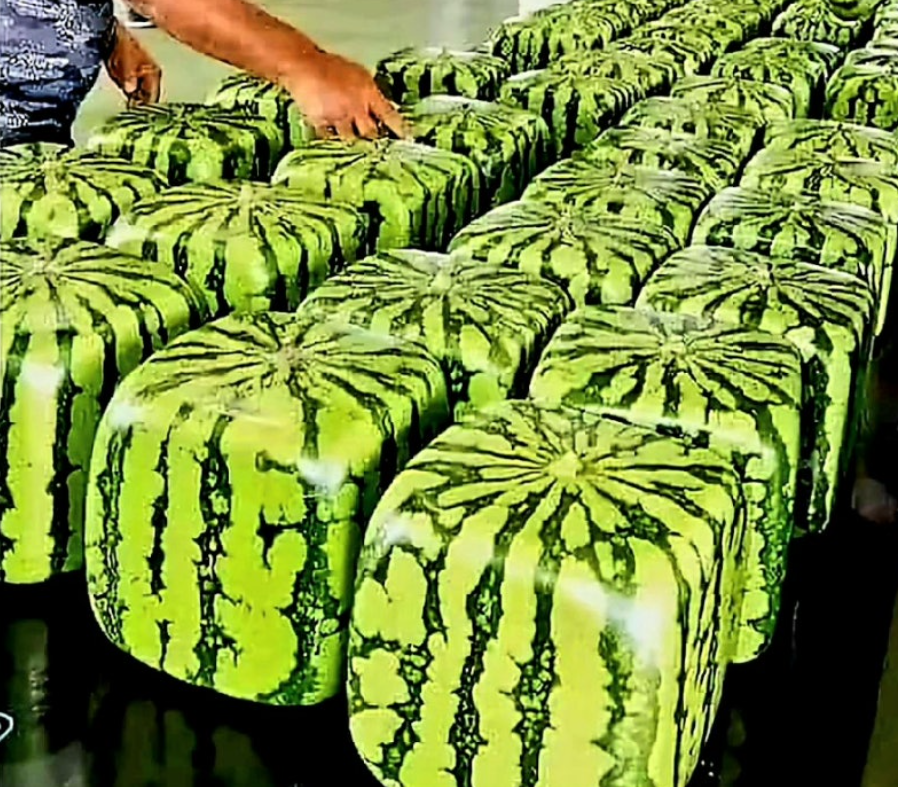
아마도 이 사각형 수박을 만들기 위해 농부는 사각의 틀에 어린 수박을 가두어 놓고 수박이 자라면서 그 틀에 맞게 사각형이 되도록 하였을 것이다. 그러나 그것이 그냥 생각대로만 되었겠는가?
틀에서 벗어나고픈 수박들은 반듯한 사각형이 되지 않고 튀어나오거나 터져서 많은 수가 못쓰게 되었을 것이다. 그래서 생산량이 기대만큼 크지 않았을 테니, 사각형 수박의 가격은 매우 비싸질 수 밖에 없었을 것이 분명하다. 그래도 사각형이고 남들과 다를 테니 비싸게 받아도 잘 팔리겠지 생각한 건, 순전히 농부의 오판이었다.
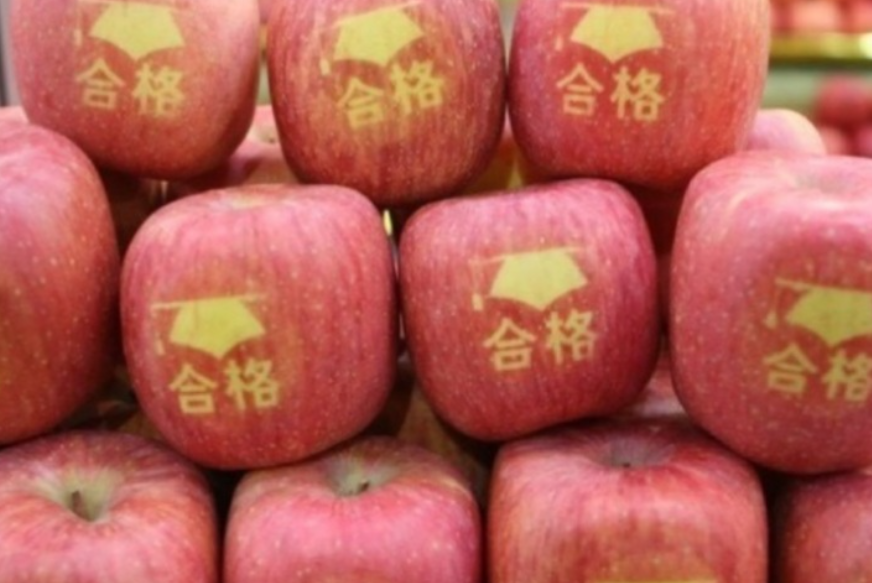
반면 위기를 기회로 바꾼 일본의 농부가 있다. 이미 너무도 유명한 합격사과 이야기이지만 사각형 수박과 비교하기 위해 소개해 본다.
1991년 아오모리현은 잇따른 태풍 피해로 사과의 90%를 잃었다. 농민들은 망연자실해져 탄식과 절망에 빠져 있었지만, 한 농부의 기가막힌 아이디어로 기사회생할 수가 있었다. 시험이 얼마 남지 않은 대학입시 수험생을 대상으로 합격사과라는 컨셉을 만든 것이다.
강한 태풍에도 떨어지지 않고 끈질기게 살아 남은 사과는, 대학에 떨어지고 싶지 않은 수험생에게 정신적으로 큰 위안이 되어 10배의 가격에도 모두 다 팔리게 되었다. 수험생들을 타겟으로 그들의 관점에 맞춘 기발한 발상의 전환이 만든 대단한 성공사례였다.

같은 일본의 농부는 모두 기발한 발상의 전환을 하였지만, 한 사람은 자신의 입장에서 벗어나지 못해 기회가 위협이 되었고, 한 사람은 고객의 관점으로 생각을 바꾸어서 위협을 기회로 만들어 성공한 상반된 사례였다.
—————
There are contrasting cases of success and failure brought about by shifts in perspective. Both involve Japanese farmers.
The USA Today article dated June 15, 2001 introduced a cube-shaped watermelon rather than the conventional round kind. At the time, each of these square watermelons was priced at an astonishing $82. Even now, years later, most people would hesitate to pay around 90,000 won for a watermelon—regardless of shape.
A watermelon is not an ornamental item that one admires over time. Its value disappears after being sliced and eaten just once. So why would consumers be willing to pay nine times the usual price simply because it’s cube-shaped? Though the idea of doing something different was a creative shift in perspective, it failed because the farmer only considered differentiation from the producer’s point of view, ignoring the consumer’s actual values.
To create this cube-shaped watermelon, the farmer likely placed young watermelons into square molds, forcing them to grow into that shape. But things rarely go exactly as planned. Many of the watermelons probably resisted the mold, bursting or deforming in the process, which led to a significant portion becoming unsellable. Because of the low yield and high production risk, the price had to be steep. Believing that people would still buy it for its novelty and unique appearance was a serious miscalculation driven entirely by the producer’s perspective.
In contrast, another Japanese farmer turned crisis into opportunity. Though now widely known, the pass-exam apple story from Aomori Prefecture deserves to be retold for comparison.
In 1991, Aomori suffered multiple typhoons that destroyed 90% of its apple harvest. Most farmers were devastated, overwhelmed with despair. But one farmer came up with a brilliant idea. Targeting students preparing for university entrance exams, he branded the surviving apples as “pass-exam apples.”
These apples, which had withstood powerful typhoons and remained hanging on the tree, symbolized perseverance. For exam takers desperate not to fail, the apples offered psychological comfort. As a result, the apples sold out completely at ten times the normal price. It was a remarkable success achieved by shifting focus to the target audience’s perspective and responding directly to their emotional needs.
Both farmers employed creative, unconventional thinking. One failed by staying rooted in his own perspective, turning opportunity into threat. The other succeeded by switching to the customer’s point of view, transforming threat into opportunity. It’s a stark contrast that demonstrates the true power—and risk—of perspective.