Episode 5 : 금권의 확립과 사회의 변화
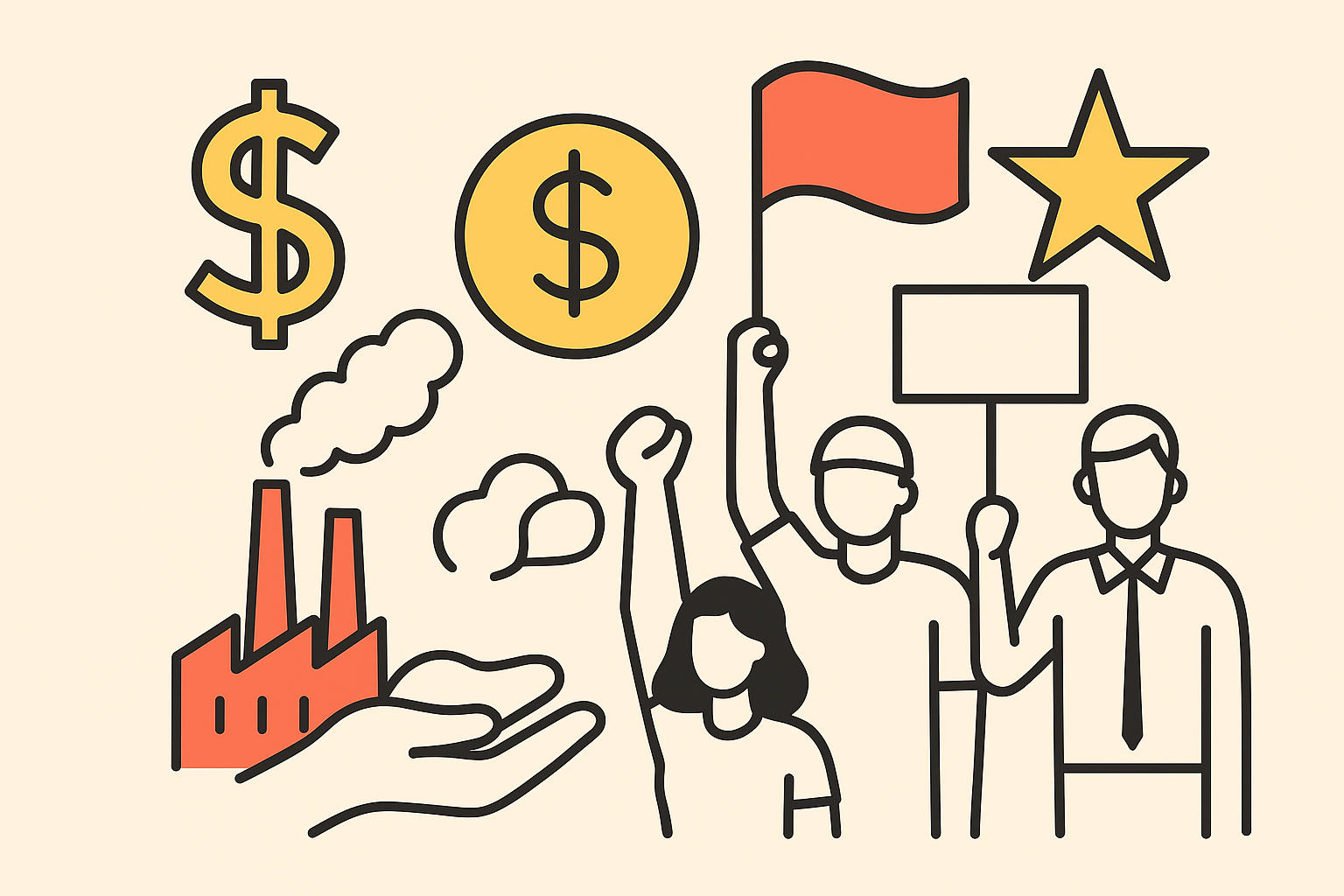
산업혁명으로 금권이라는 새로운 힘을 가지게 된 이 들은 당연히 왕과 귀족들의 세력에 버금가는 힘으로 성장하여 귀족사회는 급격히 해체되고 민주주의로 발전하게 됩니다. 산업혁명이 민주주의의 등장에 매우 큰 영향을 끼친 것이지요.
이렇게 돈이 세상을 움직이게 된 자본주의에 반대하여 한편으로는 공산주의가 태어납니다. 모든 재산을 국민들이 소유하고 자본의 지배에서 벗어나 인간의 존엄을 찾아야 한다는 논리로 시작된 이 사상은 수 십 년 간 세계의 반쪽을 지배하는 이념이었지만 아이러니하게도 청렴결백 해야 할 공산당이 권력과 돈에 욕심을 부리는 바람에 지금은 보시는 바와 같이 폐기되고 있는 이념이 되었지요.
세계의 반쪽은 돈에 대해 열광하는 자본주의, 반쪽은 돈에 대해 터부시 하는 공산주의, 치열한 돈의 패권이 세계를 둘로 나눈 것처럼 돈의 위력은 이렇게 강합니다.
이제 또 다른 전쟁이 시작됩니다.
알려진 바와 같이 1차 세계대전은 이렇게 식민지 패권을 다투던 유럽의 열강들이 더 이상 침략할 곳이 없게 되자 편을 나누어 싸운 전쟁입니다. 또한 이 전쟁의 패전국에게 부가된 막대하고 가혹한 전쟁 배상금 때문에 일어난 2차 세계대전과 한국전쟁, 월남전쟁 같은 공산주의와의 전쟁, 최근의 이슬람과의 전쟁도 그 기저에는 돈의 영향력과 패권이라는 사실이 숨어 있습니다.
이렇게 큰 시대의 흐름과 변화에는 항상 돈이라는 것이 있습니다. 인간사회의 성장과 번영이라는 긍정적인 면뿐 아니라 모든 이권다툼과 전쟁 등의 부정적인 면에도 바로 돈이 작용하고 있습니다.
이렇게 돈은 우리 역사와 생활의 큰 흐름을 바꾸고 있는 중요한 것임에도 불구하고 우리는 돈에 대해 잘 모르지요. 심지어 우리나라가 IMF로부터 구제금융을 받게 된 것과 글로벌 금융위기의 바탕에도 바로 돈의 흐름과 이에 대한 탐욕이 깔려 있습니다.
—————-
Establishment of Financial Power and Transformation of Society – Capitalism, Communism, Global Conflicts, and Monetary Hegemony
The individuals who gained new power through the Industrial Revolution rose to an influence comparable to that of kings and aristocrats. As a result, the aristocratic order rapidly collapsed, paving the way for the development of democracy. The Industrial Revolution thus played a decisive role in the emergence of democratic society.
In reaction to this money-driven capitalist system, communism was born. Founded on the principle that all property should be owned by the people and that society must free itself from the dominance of capital to restore human dignity, the ideology ruled half the world for decades. Ironically, the very communist parties that were expected to remain incorruptible succumbed to the temptation of power and wealth, leading to the decline and eventual abandonment of the ideology as we see today.
Half the world embraced capitalism, exalting money; the other half embraced communism, treating money as taboo. The struggle for monetary hegemony was so intense that it split the world in two, demonstrating the overwhelming force of financial power.
Another wave of conflict then began. As is well known, the First World War erupted when European imperial powers, having exhausted new lands to conquer, turned against one another in a contest for colonial dominance. The Second World War was triggered in part by the crushing indemnities imposed on the defeated nations, while the Korean War, the Vietnam War, and even more recent conflicts involving Islamist groups each conceal, beneath ideological justifications, the influence of monetary interests and global power structures.
Throughout the great currents of history and societal change, money is always present. It drives human development and prosperity, yet it also fuels disputes over interests and the eruption of wars.
Despite its enormous influence in shaping our history and daily lives, we understand surprisingly little about money itself. Even Korea’s IMF bailout and the foundation of global financial crises stem from monetary flows and the greed that surrounds them.