

화장품 산업에서 30년간의 마케팅 전문 경험을 보유한 저자가 전하는 사업의 첫 단추와 같은 신제품 개발 과정이 왜 필수적인지, 잘못된 첫 단추를 다시 끼우는 어려움과 초기 매몰비용의 함정에 대해 알려줍니다. 좋은 제품은 우수한 기술이나 품질만이 아닌, 잘 팔리는 제품임을 강조하며, 신제품 개발(NPD: New Product Development)의 시작점을 설명합니다.
Discover the essential first step in business through the lens of a seasoned marketing expert with 30 years of experience in the cosmetics industry. Learn why the initial phase of new product development is crucial. Uncover insights on avoiding the pitfalls of sunk costs, the importance of aligning product development with market needs, and strategic considerations for marketing, distribution, and sales. This guide emphasizes that a good product isn’t good quality but one that sells well, offering a comprehensive look into the NPD from a consultant’s perspective.
———————————-
신제품 개발에 대한 질문을 제일 첫번째로 한 이유는 모든 사업이 상품으로 시작하는 만큼 가장 중요한 첫 단추이기 때문이다. 우리가 옷을 입을 때도 첫 단추를 잘못 끼우면 모든 게 다 틀어져서 모든 단추를 풀고 다시 첫 단추를 끼우는 걸 반복해야 하는 것처럼, 모든 사업도 첫 단추가 가장 중요하다.
그러나 사업에선 한 번 잘못 낀 첫 단추를 다시 끼우기가 어렵다. 그동안 많은 시간과 돈과 노력이 들어갔기 때문이다. 그래서 이미 만들어진 제품을 무조건 팔아보고 살리려고 하다가, 더욱 시간과 돈과 노력을 낭비하고 실패의 나락에 빠지는 경우도 많다.
나도 21세기의 시작을 알렸던 2000년, 애경산업에서 같이 근무했던 상사와 직장을 나와 화장품 회사를 창업한지 1년이 지났을 때, ‘이건 아니다’라는 생각이 들었던 적이 있다. 나는 뭔가 조금만 더하면 될 것 같다는 생각에, 또는 지금까지 투여한 비용이 아깝다는 미련에, 매번 찔끔찔끔 돈을 빌려오고 말았다.
매달 돌아오는 직원들 급여는 밀리지 말아야겠다는 생각에 온갖 은행과 카드대출도 모자라서 친지에게도 돈을 빌렸는데, 가랑비에 옷 젖는지 모른다고 그게 3년동안 수억 원이나 되고 말았다. 그냥 자본금만 날렸으면 될 일을, 아니 어쩌면 자본금의 일부만 날렸어도 될 일을, 결국 큰 금액의 부채까지 짊어지게 된 것이다.
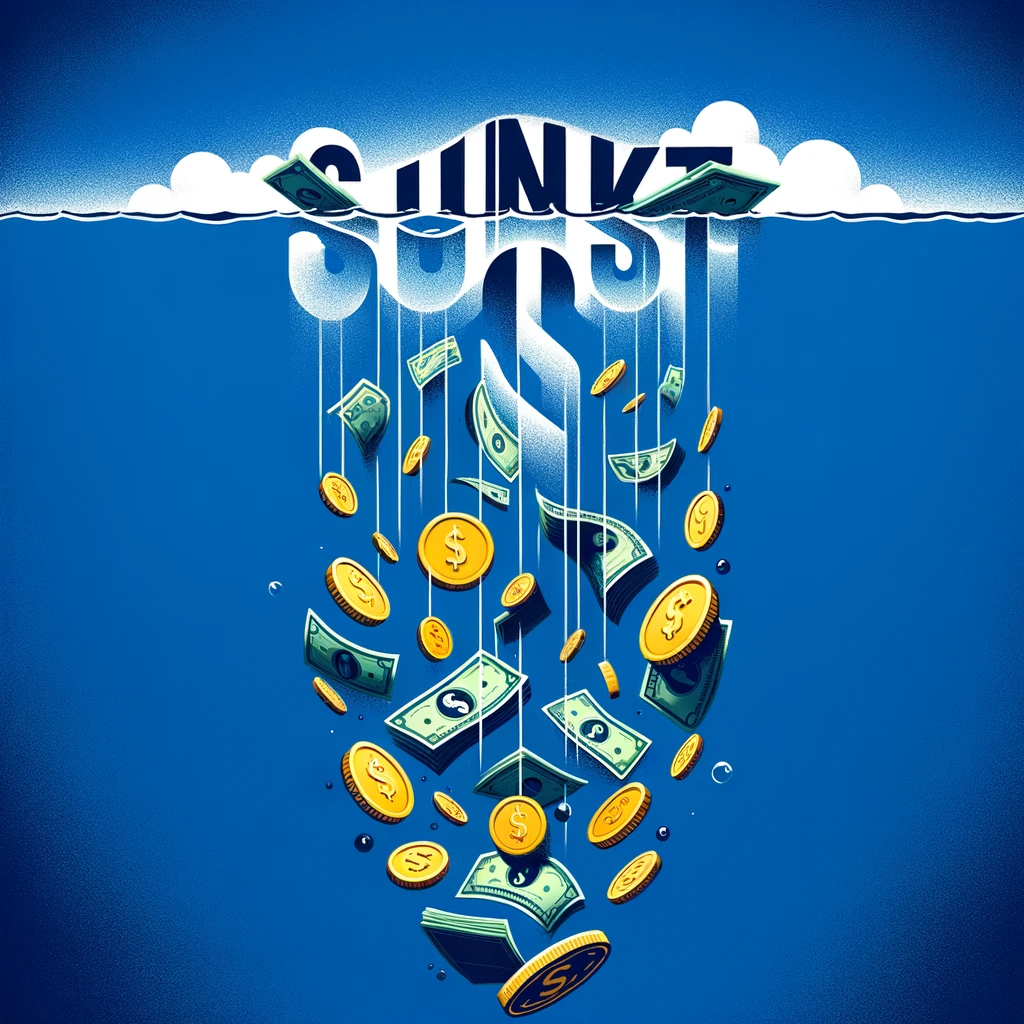
그때는 잘 몰랐지만, 이를 초기 매몰비용, 또는 영어 그대로 성크 코스트(Sunk cost)라고 한다. 성크(Sunk)는 우리가 주방에서 싱크대라고 부르는 싱크(Sink)의 과거형이다. 즉, 이미 싱크대에 물과 함께 버린 비용이나 다름없는 것이니, 미련을 두지 말고 깨끗이 잊어버려야 하는 것인데, 초기 사업자들은 나처럼 그게 쉽지 않아서 실패하는 경우가 많다. 내가 개발한 제품이 시장에서 경쟁적 강점을 찾을 수 없다면, 미련없이 버려야 한다. 지금 투자한 것이 아까워서 버리지 못하면, 나중에 발목의 족쇄는 결국 발목을 자르고 생명도 위협하게 될 지도 모른다. 아니다 싶으면 빨리 그만 두는 것도 좋은 전략이다.

과거 피아노학원 원장이었던 나의 아내는 다른 곳에서 피아노를 잘못 배워서 기초가 틀어진 아이는 받지 않았다고 한다. 이런 아이를 고치고 다시 처음부터 가르치는 일은 한번도 안 배운 아이보다 힘들기 때문이다. 내가 컨설팅 했을 때도 마찬가지였다. 최근 컨설팅 요청을 거절했던 한 회사가 있다. 5개월 전 이 회사의 CEO는 제품개발 초기에 내게 자문을 요청하겠다고 하곤, 수개월이 지나도록 연락이 없었다가 최근에 연락을 해왔다. 제품개발이 완료되어 출시가 되었는데, 판매할 방도가 없다는 것이다. 내가 유통회사 출신도 아닌데, 갑자기 어디다 팔아주겠는가? 그래서 난 못한다고 했다. 차라리 제품개발을 시작했을 때인 5개월 전에 요청했으면, 전략적으로 마케팅, 유통 및 판매까지 염두해두고 그에 맞는 제품개발이 이루어졌을 것이다.
그래서 첫 단추인 신제품 개발이 매우 중요하다. 기업에서 좋은 제품이란 좋은 기술이나 품질이 우수한 제품이 아니라, 잘 팔리는 제품이다. 그러므로 신제품 개발 프로세스(NPD: New Product Development Process)는 신제품이 출시 후에 어떤 고객에게 어떤 유통에서 어떤 차별적 경쟁력으로 어떻게 마케팅 해서 팔 것인가를 사전에 고려해서 개발하는 모든 과정을 포함해야 한다. 그래서 이 질문에는 여러 개의 질문을 포함하고 있어 소질문으로 나눠서 대답하겠다.
(1) ‘어떤 제품을 개발할까’가 아닌, ‘어떤 고객에게 팔 제품인가?’가 중요하다.
(2) 누구와 경쟁하는가?
(3) 어떻게 경쟁적인 가격을 책정하는가? – 타겟 코스팅(Target Costing).
(4) 신제품 아이디어는 어떻게 발굴하고 개발하는가?
————————————-
The reason I put the question about new product development first is because, as all businesses start with a product, it is the most important initial step. Just like when we dress, if the first button is wrongly fastened, everything goes awry, and we have to undo all the buttons and start over. Similarly, in business, the first step is most crucial.
However, in business, it’s challenging to rebutton once the first one is wrongly done. A lot of time, money, and effort have gone into it by then. Hence, trying to sell a product that has already been developed, only to waste more time, money, and effort, often leads to falling into the abyss of failure.
In 2000, marking the start of the 21st century, a year after I left my job with a superior from AEKYUNG Industrial to start a cosmetics company, I had a moment of realization that ‘this is not right.’ Thinking that just a little more effort might do the trick, or out of reluctance to let go of the costs already sunk into the venture, I ended up borrowing money bit by bit. With the thought of not falling behind on the monthly salaries of the employees, I borrowed not only from banks and credit cards but also from relatives, not realizing how these amounts accumulated to hundreds of millions over three years. What could have been resolved by just losing the capital turned into bearing a significant amount of debt.
I didn’t understand it then, but this is referred to as initial sunk cost. ‘Sunk’ is the past tense of ‘Sink,’ which we call the sink in the kitchen. This means it’s essentially the cost thrown away with the water down the sink, which we should let go of cleanly without regret. However, initial business owners, like me, find this difficult, leading to failure. If the product I developed cannot find a competitive edge in the market, it must be discarded without regret. Holding onto it because of the investment already made can end up being an ankle shackle, eventually threatening even life. Quitting early if it doesn’t seem right is also a good strategy.
My wife, who was a piano academy director, did not accept children who had learned piano incorrectly elsewhere because correcting them and starting from scratch was harder than teaching a child who had never learned. It was the same when I consulted. There was a company that I recently refused to consult. Five months ago, the CEO of this company said they would seek my advice in the initial stages of product development but did not contact me for months until recently. They had completed product development and launched, but had no means to sell. I’m not from a distribution company; suddenly, how could I sell it? So, I said I couldn’t. If they had asked five months ago, strategic marketing, distribution, and sales planning could have been considered in the product development.
Therefore, the first step, new product development, is very important. In a company, a good product is not one with great technology or quality but one that sells well. Hence, the New Product Development Process (NPD) must include all processes developed in anticipation of how the new product will be marketed and sold to which customers, in what distribution channels, and with what competitive edge after launch. Thus, this question includes multiple questions, and I will answer them in subdivided questions.
(1) It’s not about ‘what product to develop,’ but ‘for which customers to sell the product’ that’s important.
(2) Who are we competing with?
(3) How do we set competitive pricing? – Through target costing.
(4) How are new product ideas discovered and developed?