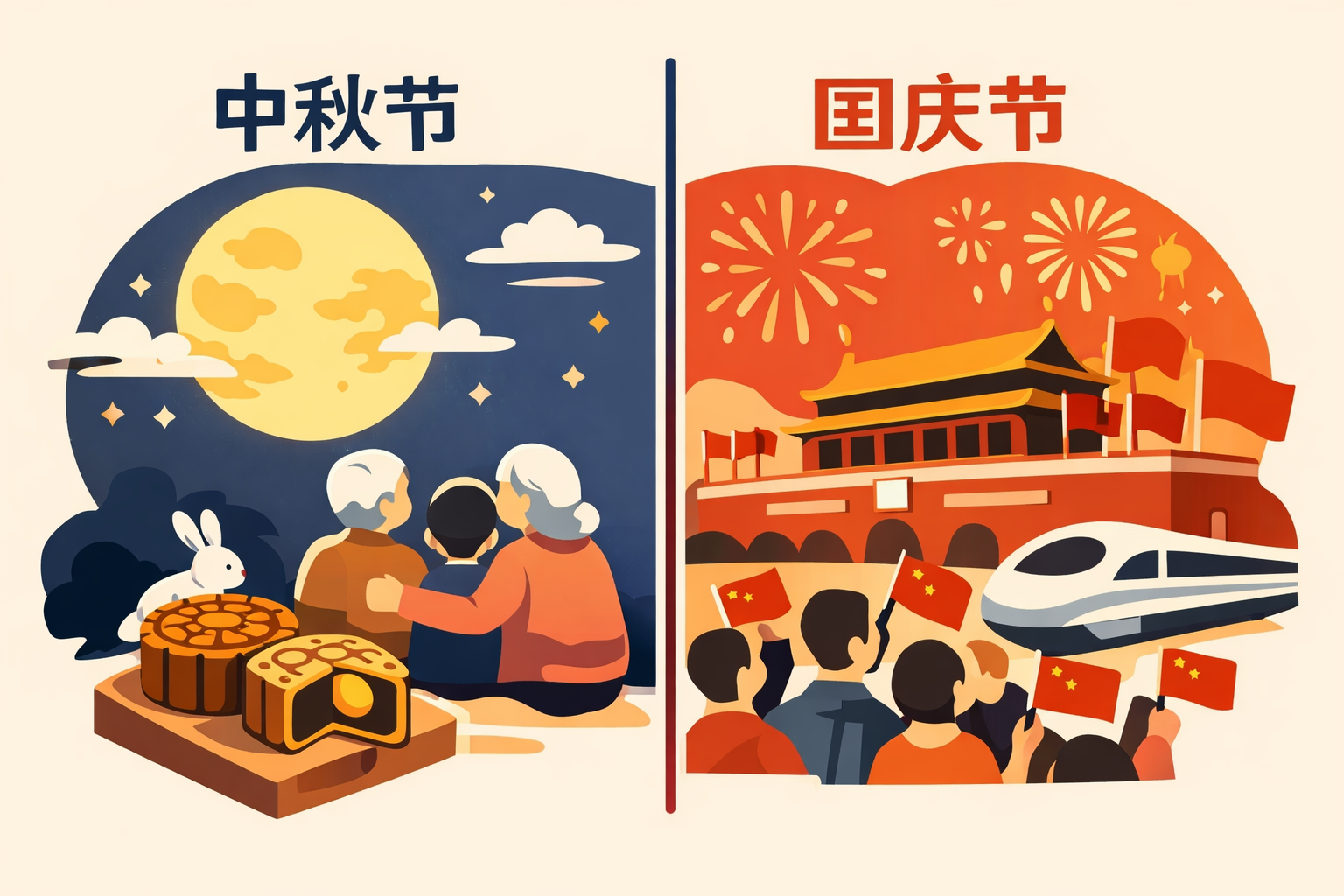
한창 기승을 부렸던 무더위도 한풀 꺾이고 우리나라 최대의 명절 중의 하나인 추석이 돌아왔다…가 아니라 중국에는 중추절(仲秋节)이 돌아왔다. 이미 9월이 다 지나 간 상황에서 한 달 지연된 생산라인을 앞당길 여력도 없었고, 바로 다음 주는 중추절보다도 더 긴 연휴인 국경절(国庆节)이 기다리고 있다. 이미 뷰티끄(Beautique)의 출시 목표였던 9월 말 출시는 물 건너갔고, 10월 1일주터 7일까지 이어지는 일주일간의 국경절 연휴 때문에 10월 말이라도 나오면 감지덕지인 상황이 되었다.
그 놈의 코스맥스를 그리 쉽게 믿는 게 아니었는데…. 그리도 한국인들에게 당했으면서도 같은 민족이라는 것 하나가 또 신뢰를 깨고 말았다. 게다가 중추절 휴무에 이은 국경절이라니…. 중국 초년생인 신총경리에게 있어서 청천벽력과도 같은 일이었다.
중국에서 우리나라의 설날에 해당하는 춘절(春节)은 우리와 마찬가지로 민족의 대이동이라 불릴 정도로 가장 큰 명절이지만, 중추절은 그리 중요하게 여겨지고 있지 않다. 과거 농경사회에서는 물론 매우 중요한 날이었을 것이다.
그래서 우리가 송편을 빚어 먹듯이 중국인들은 월병(月餠)을 만들어 먹거나 선물을 하고 있는데, 대부분 선물세트 가격이 2~3만원 하지만 비싼 것은 금가루로 도배한 수백만 원 상당의 월병도 있을 정도다. 그러나 중추절 다음으로 이어지는 국경절 때문인지 최근에 중국의 중추절은 그 의미가 점차 퇴색되어지고 있어, 휴일도 중추절 당일 하루만 쉬고 있다.
국경절이란 중화인민공화국이 설립된 날을 기리는 경축일이다. 지금의 중화인민공화국은 1949년 10월 1일에 베이징 천안문(天安门) 광장에서 성대한 개국대전과 함께 처음으로 성립되었다. 그 후부터 매년 10월 1일을 중국이 성립된 위대한 날이라 해서 국경일이 정해졌으며, 지금도 전국 각 지역에서 매년 경축 행사가 거행되고 있어, 국경절은 춘절과 함께 중국의 양대 휴일 중의 하나가 되었다.
이 기간 중에는 수많은 중국인들이 고향을 찾아가는 춘절과는 달리 주로 여행을 다니며 세계를 놀라게 하는데, 우리나라도 매년 국경절 때면 중국인 요우커(遊客, 관광객)들이 몰려와서 엄청난 외화를 쓰고 가는 걸로 잘 알려져 있다.
그래서 그런지 일반적으로 사람들은 춘절이나 국경절이 매우 긴 휴가기간인 줄 알고 있으나 실상 공식적인 법정 휴가는 3일뿐이 안 된다. 중국 정부는 2000년부터 1년간의 휴가기간을 조정하여 춘절과 국경절 2주 전후의 주말에 대체근무를 2일간 하게하는 대신 5일을 연휴로 쉴 수 있도록 조정하여, 주말을 끼고 총 7일간 휴가기간을 쓸 수 있도록 하고 있으나, 워낙 넓은 대륙의 이동거리와 시간을 감안해서 개인적으로 유급무급 휴무를 더하는 경우가 대부분인지라 길게는 2주간의 휴가를 즐길 수도 있는 것이다.
일반적으로 사무직 근로자는 7~9일 정도의 휴무를 사용하지만, 공장에서 근무하는 노동자는 그 이상을 쉬거나 고향에 가서 아예 연락도 없이 안 돌아오는 경우가 많아서, 이때만 되면 생산공장들은 인력난으로 초비상에 걸리기도 한다.
그래서 작은 물량을 생산하는 작은 회사는 큰 회사에 밀려 눈물을 머금을 수밖에 없게 되기 때문에, 뷰티끄도 차일피일 미루어지는 일정 속에서 간신히 11월 초에 출시를 할 수 있게 된 것이었다. (계속)
———————
The sweltering heat that had been at its peak finally eased, and one of the biggest holidays in our country, Chuseok, returned… or rather, in China the Mid-Autumn Festival (Zhongqiujie) returned. With September already almost over, there was no way to make up for the one-month delay in the production line, and right after that waited National Day (Guoqingjie), an even longer holiday than the Mid-Autumn Festival. The product launch of Beautique, originally targeted for the end of September, had already slipped away, and because of the week-long National Day holiday from October 1 to October 7, we would be fortunate if it could come out even by the end of October.
I should not have trusted Cosmax so easily… After being let down so many times by Koreans, trusting them again simply because we were of the same nationality ended up breaking that trust once more. On top of that, the Mid-Autumn Festival holiday followed immediately by National Day… For me, still a newcomer in China, it felt like a bolt from the blue.
In China, the Spring Festival (Chunjie), which corresponds to our Lunar New Year, is, just like in our country, the biggest holiday, often called the great migration of the nation. However, the Mid-Autumn Festival is not considered quite as important. In the past agricultural society, of course, it must have been a very significant day. That is why, just as we make and eat songpyeon, Chinese people make or give mooncakes (yuebing) as gifts.
Most gift sets cost around 20,000 to 30,000 won, but some expensive ones are said to be worth hundreds of thousands or even millions of won, decorated with gold flakes. However, perhaps because it is followed by National Day, the meaning of the Mid-Autumn Festival in China has gradually faded in recent years, and people usually only take a day off on the festival itself.
National Day(Guoqingjie) is the celebration commemorating the founding of the People’s Republic of China. The present People’s Republic of China was first established on October 1, 1949, with a grand founding ceremony held at Tiananmen Square in Beijing. Since then, October 1 has been designated as the national holiday marking the great day when China was founded, and even now commemorative events are held every year across the country.
As a result, National Day, together with the Spring Festival, has become one of the two biggest holidays in China. During this period, unlike the Spring Festival when countless Chinese return to their hometowns, people mainly travel, astonishing the world. Our country is also well known for the influx of Chinese tourists who visit during National Day every year and spend a tremendous amount of foreign currency.
For that reason, people generally think that the Spring Festival or National Day is an extremely long vacation period, but in fact the official statutory holiday is only three days. Since 2000, the Chinese government has adjusted the annual holiday schedule so that people work two substitute days on weekends before and after the Spring Festival and National Day, allowing them to take five consecutive days off, which, combined with weekends, results in a total of seven days of holiday.
However, considering the vast distances and travel time across the continent, many people add additional paid or unpaid leave personally, so some end up enjoying vacations lasting up to two weeks. Generally, office workers take about seven to nine days off, but factory workers often take even longer breaks or sometimes go back to their hometowns and do not return at all without notice. Because of this, production factories go on high alert every time this season arrives due to labor shortages.
As a result, small companies producing small quantities inevitably get pushed aside by larger companies and have no choice but to swallow their frustration. In the case of Beautique as well, amid continually delayed schedules, we were barely able to prepare for a launch in early November. (To be continued)