

그러나 인풀루언서는 다음과 같은 단점들도 있으니 유의해야 한다.
① 결과의 가변성: 인플루언서 마케팅의 효과는 선택된 인플루언서, 캠페인의 질, 타깃 시장과의 일치도, 유통현황 등 다양한 요소에 따라 크게 달라질 수 있다. 때로는 기대한 만큼의 결과를 얻지 못할 수도 있다.
2020년 내가 근무했었던 J사에서는 신브랜드를 출시하면서 유명 인플루언서들을 대거 활용하여 유튜브에 많은 영상을 올렸으나, 기대만큼 좋은 실적을 올리지 못했다. 당시 회사는 건강식품의 성공으로 자금적 여유가 있어서 화장품 신제품에 큰 투자를 할 수 있었다.
그러나 소비자들이 고관여 제품인 더마 화장품을 유명 인플루언서만 믿고 쉽게 바꾸긴 쉽지 않은 일이었다. 아직 낯설은 신브랜드에 대한 사용후기가 많이 누적되지 못했고, 제품 판매도 오직 자사몰 한곳에서만 이루어졌을 때는, 광고에 큰 돈을 들여봤자 남 좋은 일만 시켜주는 꼴만 되는 것이다.
② ROI 측정의 어려움: 인플루언서를 통한 판매가 아닌 광고홍보는 ROI를 정확히 측정하기 어렵다. 소비자 구매가 인플루언서 홍보결과에 의해 이루진 결과인 지를 추적하는 것은 복잡한 일이기 때문이다. 즉, 팔로어 수나 좋아요 수와 같은 표면적인 지표는 높았지만, 실제 구매 전환율을 측정하는 것은 별개의 일인 것이다.
인플루언서가 직접 판매를 하는 경우가 아니라면, 유명 인플루언서를 활용하는 광고홍보는 인터넷에서 하는 TV CF나 다름없다. 따라서 홍보영상은 명확한 전략과 목적에 따라 인플루언서를 활용하는 영상이 제작되어야 할 것이다. 일반적으로 그 목적은 구매전환이 아니라, 고객유입이나 브랜드 인지도 향상이 좋다.
③ 브랜드 이미지에 대한 위험: 인플루언서의 행동이나 발언이 논란이 될 경우, 이는 직접적으로 브랜드 이미지에 부정적인 영향을 미칠 수 있다. 인플루언서의 개인적인 문제나 논란이 브랜드에도 영향을 줄 수 있다는 점에서 항상 위험성이 존재한다.
최근엔 화장품 인플루언서가 브랜드 제품을 직접 판매하는 경우가 많이 늘고 있다. 내 경우에도 유명 인플루언서가 제품을 판매하게 된 경우가 있어서, 부진했던 초도물량 재고를 모두 처분할 수가 있었으며, 나아가서는 그 인플루언서와 협업을 통해 신제품을 계속 출시해서 안정적인 매출을 이루어 낼 수 있었다.
그러나 나중엔 인플루언서에게 최저가를 보장해야 한다는 계약조항이 걸림돌이 되었다. 다른 온라인 채널에 들어가려 할 때마다, 인플루언서가 판매하는 가격보다 싸게 팔면 안되는 것이었다. 인플루언서는 확고한 팔로어에게 저렴하지만 비교적 많은 마진을 보장받고 팔 수 있었지만, 다른 유통에선 그 가격으론 경쟁력이 없었기 때문이다.
그렇다면 지금까지 인플루언서에게 의존했던 안정적인 매출을 포기하고 다른 유통으로 진입해야할까? 나는 매출의 한계를 벗어나기 위해선 그래야 한다고 주장했지만, 당장의 매출에 급급했던 회사에서 받아들여지지 않았고, 참다못한 내가 회사를 떠나고 말았다.
이 문제는 화장품 브랜드의 전반적인 유통 전략과 장기적인 브랜드 가치, 그리고 매출목표에 따라 다르게 접근해야 된다. 유명 인플루언서의 협업이 현재 단기적인 매출 증대에 긍정적인 영향을 미칠 수 있지만, 다른 유통 채널로의 확장은 브랜드의 장기적 성장과 시장점유율 확대에 매우 중요한 미래에 관한 일이다. 물론 회사의 목표에 따라 그 수준에서 만족하고 머물 수도 있다. 다만 내 경우엔 그 정도의 매출 수준에 만족할 수 없었기 때문이다.
따라서 해당 인플루언서를 통한 매출이 전체 매출에서 차지하는 비율과 장기적 가치를 고려하는 한편, 다른 유통 채널로의 진입이 장기적으로 브랜드에 어떤 영향을 미칠지를 예측하고, 가격정책과 브랜드 가치와 이미지를 유지하면서 다양한 유통 채널을 관리할 수 있는 전략을 고려할 필요가 있다.
그렇게 하기 위해선 다른 디지털 마케팅 캠페인을 실시하여 브랜드의 종합적인 인지도를 증가시키고, 다양한 유통채널을 통한 판매도 이루어질 수 있도록 해야, 단일 채널 의존도에 따른 브랜드 리스크를 분산할 수 있을 것이다. 때로는 단기적인 매출 손실을 감수하고 장기적인 브랜드 가치와 시장 점유율 확대를 위한 전략적 투자가 필요하다고 나는 지금도 주장한다.

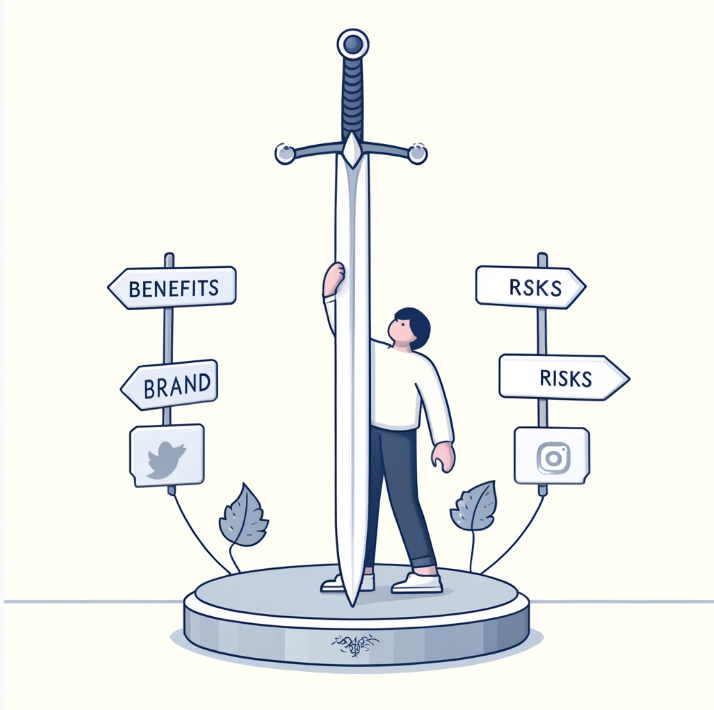
However, there are also disadvantages of influencers that need to be noted.
1) Variability of Results: The effectiveness of influencer marketing can vary greatly depending on factors such as the chosen influencer, the quality of the campaign, alignment with the target market, and distribution status. Sometimes, the expected results may not be achieved.
In 2020, at J Company where I worked, we launched a new brand and used a lot of famous influencers to upload many videos on YouTube. Despite the company’s financial stability due to the success of its health supplements, the results were not as good as expected.
Consumers were not easily persuaded to switch to a new derma cosmetic brand just based on influencer recommendations. Without sufficient accumulated reviews for the new brand and with sales only occurring through our own website, spending heavily on advertising only benefited others.
2) Difficulty in Measuring ROI: It’s challenging to accurately measure ROI for advertisements through influencers rather than direct sales. Tracking whether consumer purchases are a result of influencer promotions is complex. High numbers of followers or likes do not necessarily translate to high purchase conversion rates.
Unless the influencer is directly involved in selling, using a famous influencer for advertising is no different from an internet TV commercial. Therefore, promotional videos should be made with clear strategies and objectives. Generally, the goal should be customer engagement or brand awareness rather than direct purchase conversion.
3) Risk to Brand Image: Controversial behavior or statements by an influencer can negatively impact a brand’s image. Personal issues or controversies involving influencers can directly affect the brand, making it inherently risky.
Recently, more beauty influencers have started directly selling brand products. I experienced a situation where a famous influencer sold our product, which helped clear initial stock and later led to continuous stable sales through collaboration.
However, a contractual clause guaranteeing the lowest price to the influencer became a hurdle. Whenever we tried to enter other online channels, we couldn’t sell at a lower price than the influencer, which limited competitiveness in other distribution channels. The influencer could sell at a relatively high margin to their loyal followers, but this price wasn’t competitive in other markets.
Should we abandon the stable sales from influencers and enter other distribution channels? I argued for the latter to overcome sales limitations, but the company, focused on immediate revenue, didn’t accept this, leading to my departure.
This issue requires an approach considering the overall distribution strategy, long-term brand value, and sales targets. While collaboration with a famous influencer can positively impact short-term sales, expanding to other distribution channels is crucial for long-term brand growth and market share expansion. The company could choose to be content with the current sales level, but I was not satisfied with that.
Therefore, it is necessary to consider the proportion of sales from the influencer relative to total sales and their long-term value while predicting how entering other distribution channels will affect the brand. A strategy that maintains pricing policy and brand value while managing various distribution channels is essential.
To do this, implementing other digital marketing campaigns to increase overall brand awareness and ensuring sales through various distribution channels can help distribute brand risks associated with dependency on a single channel. Sometimes, strategic investment in long-term brand value and market share expansion is necessary, even at the cost of short-term sales losses, which I still advocate.