

이제 영업은 차갑고 논리적인 머리가 뒷받침되는 전략적인 접근이 필요하다. 이는 기본적으로, “고객이 요구하는 영업이란 무엇인가”에서부터 시작한다. 영업의 입장이 아니라 고객의 입장에서 요구되는 영업역량을 맞추기 위한 것이다. 과거 주먹구구식 방법이 아니라, 정량적인 분석과 체계적인 관리를 통해 궁극적으로는 성과로 연결시키기 위해서 이루어져야 한다.
그렇게 하기 위해서는 영업활동의 객관적인 분석을 통해 목표를 명확히 수립하고, 목표달성을 위한 영업전략과 세밀한 계획이 수립되어, 일사분란 한 활동이 전개되어야 할 것이다. 즉, 영업전략이란 목표달성을 위해 차별화된 영업특징을 만드는 것으로, 단순히 가격과 판촉을 가지고 고객을 만나는 것이 아니라, 회사의 비젼과 목표와 연결된 영업의 총체적인 프로세스와 시스템을 이루는 상위개념인 것이다.
앞서 말했지만, 전략이란 한정된 자원을 효율적으로 활용해서 경쟁에서 이기고 최대의 효과를 얻기 위한 것이므로, “선택과 집중”이 중요하다. 영업전략도 고객의 정보를 습득하고 그들의 니즈(Needs)를 만족시키기 위해 기업의 한정된 자원을 효율적으로 배분하는 선택과 집중 전략의 일환이라 할 수 있다.
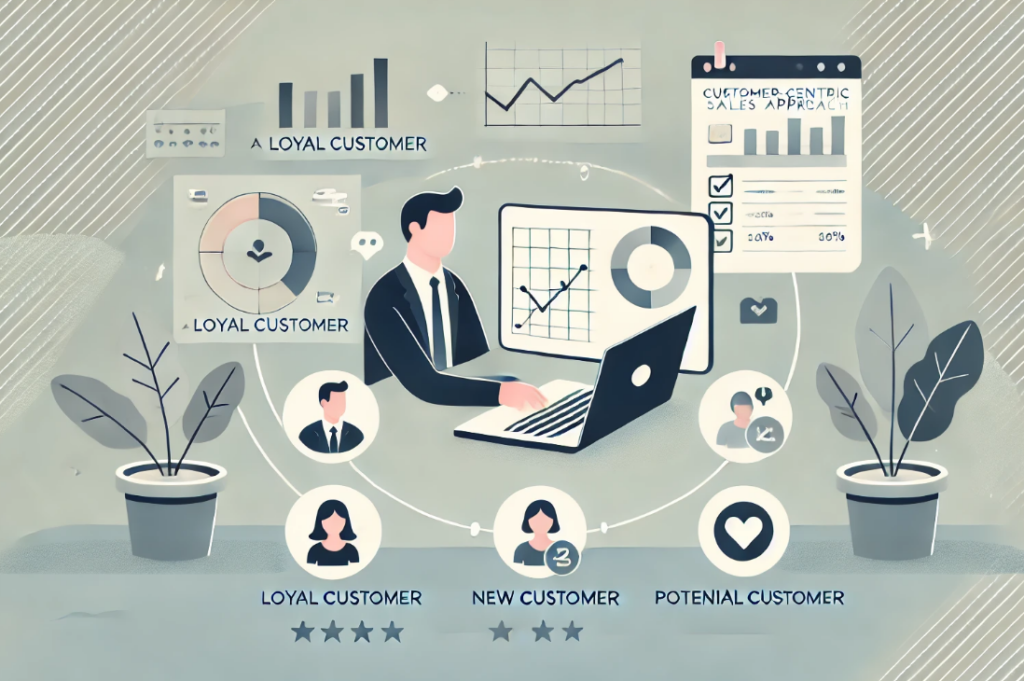
그렇게 하기 위해서는 영업을 마음 끌리는 데로 그때그때 하는 것이 아니라, 객관적 데이타베이스(DB)에 기반한 과학적 접근이 필요하다. 그렇다고 대기업처럼 수억 원짜리 SFA(Sales Force Automation)라고 불리는 전산 시스템을 도입하라는 것이 아니다. 그냥 엑셀로 작업을 하더라도 고객 리스트에 대한 DB를 근거로 하는 접근이 필요하다는 것이다. 그것만으로도 효율적이고 전략적인 SFE(Sales Force Effectiveness)가 가능하기 때문이다. 그럼으로써 새로운 신규고객을 발굴하고, 기존 고객은 고정고객으로, 고정고객은 충성고객으로 유지 및 발전시켜, 매출 증대와 수익 극대화라는 두 마리 토끼를 잡을 수 있을 것이다.
그렇다면 이제부터 고객은 누구인가부터 시작해야 한다.
- 내가 현재 자주 만나고 있는 고객(바이어)은 누구인지, 얼마나 잘 알고 있는가?
- 혹시 그 고객이 경쟁사들도 두루두루 잘 만나주는 고객이거나, 유대관계가 좋아 나를 잘 만나주는 것은 아닌가?
- 혹시 나는 만나기 편한 고객 위주로만 만나고 있는 건 아닌가?
- 아니면 현재 우리 제품을 많이 구입하고 있는 우량고객만 주로 만나고 있는 건 아닌가?
까다로운 고객을 상대하는데 어려움이 있거나 이를 잘 거절하지 못하는 사람의 경우, 대부분 그런 어려운 고객을 점차 피하려는 경향이 생기며, 미래에 어떤 고객이 더 우량한 고객이 될 것인지를 잘 파악하지 못하면, 현재 매출이 가장 높은 고객에게만 많은 시간을 소모할 수가 있다. 또한 잠재 고객에게서 언제 매출이 이루어질지 확신을 하지 못해 신규개척하기를 어려워하면, 신규보다는 관계가 튼튼하게 맺어져 있다고 생각되는 고객에만 더욱 집중하게 되는 경향도 있을 수 있다.
앞서 영업을 힘들어 하는 사람들에 대해서 고객의 거절은 숙명과도 같은 것이라 했지만, 이를 항상 숙명으로 받아들이고 극복해 나가기는 쉽지 않다. 그러다 보니 자신도 모르게 대하기 편한 고객 위주로 자꾸 발길이 돌아가는 것도 어쩔 수 없는 인지상정이라 할 수 있다. 하지만 이것이 영업의 결과가 우수한 성과와 안 좋은 실적의 차이를 만든다. 한순간 나의 안일함이 그동안 나의 노력과 신뢰를 순식간에 날아가 버리게 할 수도 있기 때문이다.
그래서 고객에 대한 명확한 정의와 타깃팅이 필요하다. 타깃고객 설정에 대해 어떻게 할지 모르겠다면 다음과 같은 질문을 통해 알아볼 수 있다.
- 나는 몇 명의 타깃고객을 가지고 있는지 알고 있는가?
- 정확한 타깃고객을 선정했다고 자부할 수 있는가?
- 타깃고객을 선정했다면, 어떤 명확한 기준이 있었는가?
- 타깃고객들 중에서 우선순위를 가지고 만나야 될 고객은 누구인지 알고 있는가?
많은 해외 거래선을 보유하고 있는 고객, 주로 경쟁사 제품을 많이 거래하는 고객, 자사 제품을 구입하고 있는 고객, KOL(Key Opinion Leader), 정책결정권자(Political Leader), 의사결정에 영향을 끼치는 사람(Influencer) 등이 중요 우선순위가 될 것이다.

——————————-
Sales now require a strategic approach backed by cold, logical thinking. Essentially, it starts with understanding “What kind of sales do customers demand?” rather than looking at it from the salesperson’s perspective. This means aligning sales capabilities to meet the needs from the customer’s standpoint. It is no longer about the ad hoc methods of the past but should be driven by quantitative analysis and systematic management to ultimately lead to performance.
To achieve this, it is essential to set clear goals through objective analysis of sales activities, establish sales strategies and detailed plans to achieve these goals, and ensure coordinated efforts. In other words, a sales strategy is about creating distinctive sales characteristics to achieve goals. It involves a comprehensive process and system linked to the company’s vision and goals, rather than merely meeting customers with price and promotions.
As mentioned earlier, a strategy is about using limited resources efficiently to win in competition and achieve the maximum effect. Hence, “selection and concentration” are crucial. Sales strategies also entail acquiring customer information and efficiently allocating the company’s limited resources to satisfy their needs as part of a selection and concentration strategy.
This requires a scientific approach based on an objective database (DB), rather than impulsively engaging in sales activities. It does not mean implementing an expensive Sales Force Automation (SFA) system like large corporations. Even working with Excel based on a customer list database can be sufficient for efficient and strategic Sales Force Effectiveness (SFE). This approach can help discover new customers, turn existing customers into regulars, and regulars into loyal customers, thereby achieving increased sales and maximizing profits.
Therefore, the starting point should be identifying who the customers are:
- Who are the customers (buyers) I currently meet frequently, and how well do I know them?
- Are these customers also well-acquainted with competitors or meeting me because of good rapport?
- Am I meeting customers who are convenient for me to meet?
- Or am I mainly meeting high-value customers who are currently purchasing a lot of our products?
Those who struggle with handling difficult customers or cannot effectively refuse them tend to gradually avoid such challenging customers. If they fail to identify which customers will become high-value in the future, they might end up spending excessive time on the highest-revenue customers at present. Additionally, if they are unsure when sales will happen with potential customers and find it difficult to explore new ones, they might focus even more on customers with whom they have established strong relationships.
While it’s often said that rejection from customers is an inevitable fate for salespeople, it’s not easy to consistently accept and overcome this. Consequently, there is an understandable tendency to gravitate toward more comfortable customers. However, this is what distinguishes excellent sales performance from poor results. A moment of complacency can instantly undermine the effort and trust built over time.
Therefore, a clear definition and targeting of customers are necessary. If you’re unsure how to set target customers, consider the following questions:
- Do you know how many target customers you have?
- Can you confidently say you have selected the correct target customers?
- If you have chosen target customers, did you have clear criteria?
- Do you know which target customers you should prioritize meeting?
Key priorities would include customers with numerous overseas connections, those who frequently deal with competitors’ products, customers purchasing your products, Key Opinion Leaders (KOL), Political Leaders, and Influencers who impact decision-making.