

예전에 피어리스 화장품에서 근무 당시, 나의 상사는 자주 퇴근 시간이 다 되어서, 내일 아침까지 반드시 보고서를 작성해서 제출하라고 지시했다. 그래서 나는 수시로 야근을 하였고, 심지어는 밤샘근무도 여러 번 했었다. 물론 지금은 이런 게 통하는 세상이 아니지만, 과거의 통제적 조직문화 시대의 이야기를 “라떼는 말이야”라고 말하는 꼰대 짓은 여전하다.
이런 일들이 일어나는 이유는 사람을 리드하지 않고 일만 리드하기 때문이다. 일은 어차피 구성원들이 한다. 따라서 리더는 구성원들이 제대로 일할 수 있도록 업무를 잘 관리해서, 업무의 의미와 가치를 깨닫도록 하고, 무엇이 옳고 그른 지, 효과적이고 효율적으로 일하는 방식은 무엇인지, 높은 성과를 내기 위해 무엇을 더 배우고 성장시켜야 하는지 가르치고 깨닫도록 해줘야 한다.
또한 과중한 업무에 낙담해 있을 때 용기를 주고, 좀 더 높은 목표를 향해 도전하도록 격려해주며, 그들이 이룬 성과를 인정해주고 진정으로 감사하고 박수를 쳐주는 일을 해야 한다. 그래서, 그들로 하여금 자신들이 꿈꾸는 성공이란 곳에 도달할 수 있도록 이끄는 역할이 바로, 사람을 리드하는 리더인 것이다.
즉, 사람을 관리하려고 하지 말고, 일이 제대로 돌아갈 수 있도록 체크하고 관리하며, 사람이 스스로 제대로 일할 수 있도록 리드하는 것, “Managing Job, Leading People”이 꼰대에서 벗어나는 리더십의 핵심 포인트이다. 그리고 다음의 세가지만 따른다면, 관리자가 아닌 훌륭한 리더가 될 것이다.
첫째, 긍정적인 영향력은 훌륭한 리더십의 표본이 되지만, 잘못된 영향력은 권력과 욕심에 의해 다른 이들을 구속하려는 꼰대만의 비뚤어진 욕망이 된다. 나의 잣대가 객관적으로 타당한 진리를 얘기하고 나의 영향력이 상대방의 발전을 도모하지 않는다면, 그건 비판을 넘어 비난이 되거나 개똥철학일 뿐이다. 그러면서도 자기 뜻대로 안되면 남들을 탓한다. 그러나 그 비난의 화살은 언젠가는 부메랑이 되어 자신에게 되돌아올 수도 있다는 것을 알아야 한다.
둘째, 사람들은 남에겐 이래라저래라 말도 많으면서, 정작 자기 인생에 대해서는 스스로도 잘 모른다는 사실이다. 뚜렷한 목표도 없고 자신의 중요한 의사결정에 대해서는 혼자 무엇을 어찌해야 할지 결정하지 못하는 경우도 허다하다. 그래서 나이 먹을수록 귀가 얇아져 더욱 다른 사람들의 의견에 휘둘리기도 한다.
하지만 다른 사람을 통해 아는 것은 단순한 정보일 뿐이거나 그들의 잣대 범위 내에서 벗어나지 못하는 일이다. 이는 진정한 지식과 지혜가 되기가 쉽지 않다. 자신을 스스로 아는 것이야 말로 진정한 지혜이듯이, 자신을 스스로 휘두를 수 있는 것이 진정한 리더십의 힘이다.
그러므로 진정한 리더라면, 나의 잣대를 다른 사람들을 비난하는 것에 쓰지 말고 나를 스스로 관조하는데 써야 할 것이다. 나 자신이 스스로를 아는 힘이 생길 때 나를 변화시킬 수가 있고, 주변 사람의 변화를 리드하며, 더 나아가서는 세상을 변화할 수 있는 힘도 생길 것이다.
셋째, 리더의 생각과 행동은 감추는 게 아니라 드러나고 공개되어야 한다. 이에 대해 공자의 제자 자공도 다음과 같이 말했다.
“군자의 허물은 일식, 월식과 같다. 사람들이 모두 쳐다볼 수 있고, 그 허물을 고쳤을 때 사람들이 우러러본다.”
그러나 지금도 리더들은 출퇴근이 부정확하며 업무 중 어디에 갔는지 외출도 불명확하다. 중요한 의사결정을 기다리는 직원들이 있는데도 행방이 묘연한 경우가 많다. 나도 수년 전 직원 몇 명 안되는 작은 회사의 임원으로 있을 때, CEO 결재 한번 받으려면 하 세월인 적이 여러 번 있었다. CEO가 말도 안하고 해외 출장을 갔거나 어디에 갔는지 모르는 경우가 허다했기 때문이다.
그래서 진정한 리더라면 사람들이 예측 가능한 사람이 되어야 한다. 생각과 행동, 심지어는 삶의 방식과 경영철학 등이 모두 드러나서, 직원들이 알고 바른 걸 따르고, 잘못된 걸 고치게 해야 한다.
그리하여 아랫사람을 통해 자신의 허물을 보고, 그걸 고칠 줄 알아야 한다. 그래서 직언하는 사람들을 소중하게 생각해야 한다. 그들은 거울과 같은 존재이다. 아침에 일어나 거울을 보면 매일 변함없는 나의 모습이 보인다. 그러나 직원을 통해 보는 거울은 매일 새롭게 태어난 변화된 나의 모습이 될 것이다. 그리하면 직원들이 따르고, 스스로 능동적으로 일하는 조직문화가 만들어질 것이다.

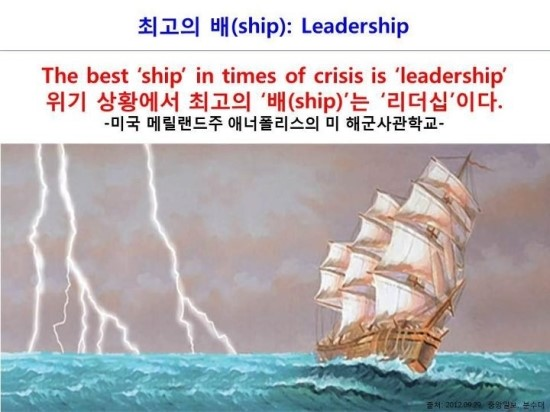
———————————
When I worked at Peerless Cosmetics, my boss often gave instructions just before quitting time, demanding that reports be written and submitted by the next morning. As a result, I frequently worked overtime and even pulled several all-nighters. Although such practices are no longer acceptable today, the tendency to reminisce about the past with phrases like “Back in my day” still persists among some older generations.
These situations arise because some leaders focus on managing tasks rather than leading people. Ultimately, it is the team members who do the work. Therefore, a leader should manage tasks well to ensure that team members understand the significance and value of their work. Leaders should guide their team to understand what is right and wrong, the most effective and efficient ways to work, and what they need to learn and develop to achieve high performance.
Additionally, when team members are discouraged by excessive workloads, a leader should motivate them, encourage them to aim for higher goals, recognize their achievements, and genuinely express gratitude and applaud their efforts.
The role of a leader who leads people is to help them reach the success they dream of. In other words, instead of trying to manage people, a leader should manage tasks effectively so that people can work autonomously, encapsulated in the concept of “Managing Job, Leading People.” Following these three principles will help one become not just a manager, but a great leader.
First, positive influence is the hallmark of great leadership, whereas negative influence driven by power and greed leads to the distorted desire of micromanaging others. If my standards are not objectively reasonable and if my influence does not promote the growth of others, it turns into criticism or, worse, a form of baseless philosophy. When things don’t go their way, such leaders tend to blame others. However, they should be aware that these criticisms might one day come back to them like a boomerang.
Second, people often have plenty to say about others but know little about their own lives. Many lack clear goals and find it difficult to make important decisions on their own, often being easily swayed by others’ opinions as they grow older. Learning through others can provide mere information, often constrained within their perspectives. Genuine knowledge and wisdom come from self-awareness.
True leadership lies in the ability to control oneself. Thus, a true leader should not use their standards to criticize others but to reflect on themselves. When you develop the strength to know yourself, you can change yourself, lead those around you, and ultimately gain the power to change the world.
Third, a leader’s thoughts and actions should be transparent and open. Confucius’ disciple Zigong once said, “The faults of a gentleman are like a solar or lunar eclipse. Everyone sees them, and when he corrects them, everyone looks up to him.”
However, even today, many leaders have vague work hours and unclear whereabouts during working hours. Employees waiting for critical decisions are often left in the dark about their leader’s location.
I, too, experienced delays in getting approvals from the CEO in a small company years ago because the CEO would frequently travel overseas or be otherwise unavailable without notice. Therefore, a true leader should be predictable. Their thoughts, actions, and even lifestyle and management philosophy should be open so that employees can follow what is right and correct what is wrong.
In conclusion, leaders should value those who offer candid feedback as they are like mirrors. A mirror shows an unchanging image of oneself, but through employees, a leader can see a constantly evolving reflection. This will foster a proactive organizational culture where employees follow and work autonomously.