

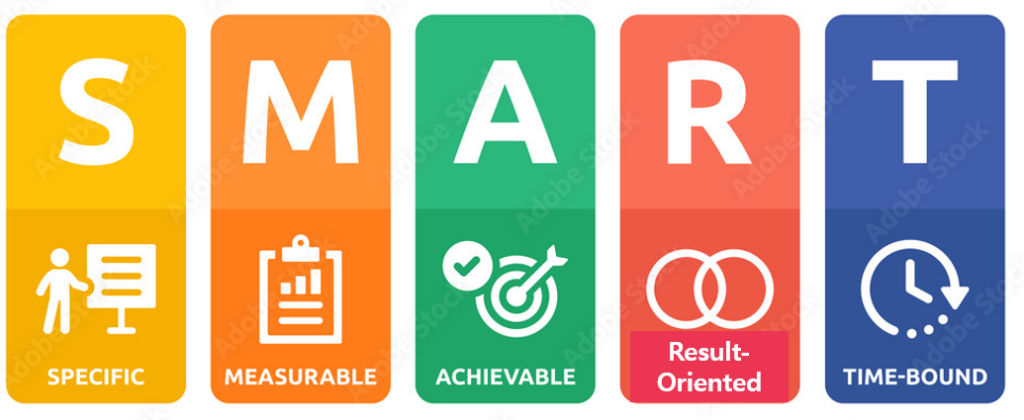
- Result-Oriented – 결과가 분명한 목표: 구체적이고 측정 가능한 목표는 결과도 명확하다. 우리가 목표를 설정하는 이유는 바로 우리가 바라는 바, 결과를 얻기 위한 것이다. 그런데 그 결과가 어찌 될지도 모른다면, 어찌 목표를 설정할 수 있겠는가?
중국에 있을 때 나는 화장품을 인터넷 쇼핑몰에 입점하기 위해 상해에 있는 인터넷 전문회사와 전략적 제휴를 맺었다. 이 회사는 한국의 패션 의류를 중국 인터넷을 통해 판매하여 크게 성공을 한 회사였는데, 점차 화장품 취급을 넓히려는 중이었다.
이 회사의 CEO는 30대 젊은 사람으로서 패기도 넘치고 도전적인 모습이 매우 기대가 되었지만, 문제는 화장품 경험이 없다 보니 어느 정도의 매출을 할 수 있을 지 전혀 결과를 예측하지 못했다. 처음 나는 달성 못하더라도 1년의 목표를 세우고 도전하자고 주장을 하였지만, 상대방이 너무 스트레스를 받는 것 같아 그만 목표설정을 포기하고 말았다. 그러다 보니 일단 최소 주문량으로 거래를 시작하였지만, 그것으로 끝이었다.
만약 명확한 목표를 설정했다면, 예상 결과를 측정하고 평가할 수가 있다. 결과가 목표에 비하여 달성됐으면 성과에 대한 보상이 따라야 할 것이고, 달성하지 못했다면 반성하고 문제점을 찾아 미진한 부분을 보완하여 재도전할 수 있다. 그러나 결과가 어찌 될지 예상도 못하는 상황에서 목표를 세울 수조차 없다면, 그저 좌충우돌 시행착오를 겪다가 안 되면 안 하면 그만인 것이 된다.
따라서 모든 목표는 결과 지향적이어야 한다. 미래에 나올 결과가 구체적으로 예측 가능하고 분명해서, 성과를 평가할 수 있는 바탕이 되어야 한다. 목표가 존재하는 이유는 바로 기대하는 결과가 있기 때문이다. 결과가 모호한 목표는 존재의 이유가 없다.
- Time-bound – 달성해야 할 시기가 뚜렷한 목표: 꿈을 날짜와 함께 적어 놓으면 목표가 되고, 목표를 잘게 나누면 계획이 되며, 그 계획을 실행에 옮기면 꿈이 실현된다는 말이 있다. 앞서 내가 52주 계획을 수립했던 것처럼, 목표에는 반드시 달성되어야 할 시간이 명시되어야 한다. 꿈은 멀고 목표가 가까운 이유도 바로 꿈에게 나아가기 위해 시간으로 나누어진 목표이기 때문이다.
우리에게 언제나 자원은 한정되어 있다. 그 중 참으로 아쉬운 것이 시간이다. 만약 우리가 죽지 않고 영원한 삶을 살 수만 있다면, 인간에게 목표란 무의미한 것일지도 모른다. 100년이 지나도 500년이 지나도 언젠간 이룰 수 있으니 말이다. 하지만 우리의 생명은 유한하고 우리에게 주어진 시간은 언제나 부족하다. 따라서 목표를 정하는데 있어서 이루어야 할 시간에 대한 개념은 매우 중요한 일이다.
그래서 신규사업이나 신제품 개발에 큰 돈을 투자할 때 평가지수 중의 하나로 PBP(Pay-Back Period, 투자금 회수기간)라는 것이 있다. 지금 현재 10억원을 투자하면, 이후 신규사업을 통해 투자금이 회수되는 기간이 얼마이어야 하는가에 대한 것이다. 회사마다 다르지만 보통 3~5년 정도에는 이익을 통해 투자금이 회수되어야 한다고 한다. 만약 회사가 정한 PBP가 3년인데 판매예측 결과 PBP가 3년 이상이 걸린다면, 과연 지금 10억원이라는 거금을 투자해야 할까? 물론 여러 다양한 평가기준(NPV, IRR등)이 있지만 오직 PBP로만 평가한다면, 당연히 그 사업에는 투자를 하면 안 된다.
특히 자금적인 여력 때문에 대출금 상환이 매우 중요한 상황이라면, 투자금을 회수하는 기간을 3년으로 설정해서, 역으로 3년 이내 투자금을 회수할 수 있는 매출목표를 산출할 수도 있을 것이다. 그렇게 설정된 목표라면, 무슨 수를 써서라도 조직을 개편하고 마케팅 전략을 재수립하는 등, 반드시 달성하기 위해 많은 노력을 투여하게 될 것이다.
이렇게 SMART하게 설정된 목표는 행동의 방향을 결정하여 실행을 강화하게 해주고, 그 결과에 따라 조직이나 개인의 실적을 평가하고 보상하는 기준이 된다. 또한 보유하고 있는 자원이나 활동이 목표를 향해 집중되도록 하여, 목표 달성에 필요한 한정된 자원을 더욱 효율적이고 효과적으로 활용할 수 있도록 해준다.
세상을 살아가는데 누구나 무거운 짐 하나는 어깨에 짊어지고 가야 한다. 그 짐이 없다면 당장은 편안할지도 모르겠지만, 사실은 그것이 곧 불행의 시작임을 알게 된다. 인생도 목표를 달성하지 못하는 것보다, 달성할 목표가 없다는 것 자체가 더 불행한 일이다. 어떤 목표도 어려움과 좌절의 고통을 겪지 않고 이루어지는 법은 없다. 반대로 말하면, 그런 고난을 극복하고 이룬 목표이기 때문에, 더욱 달콤하고 아름다운 것이기도 한 것이다.
그렇기 때문에 기업이든 개인이든, 중장기적으로 목표를 SMART하게 수립해야 한다. SMART한 목표는 지금 한 순간의 실패에 쉽게 무릎 끓고 포기하지 않는 끈질김의 힘을 부여해줄 것이다.

——————–
- Result-Oriented – Goals with Clear Outcomes: Specific and measurable goals lead to clear results. The reason we set goals is to achieve the outcomes we desire. But how can we set goals if we can’t predict the results?
When I was in China, I entered into a strategic partnership with an internet company in Shanghai to get our cosmetics into an online shopping mall. This company had achieved great success by selling Korean fashion clothing through the Chinese internet, and they were gradually expanding their product range to include cosmetics.
The CEO of this company was a young man in his 30s, full of ambition and a challenging spirit, which was very promising. However, the problem was that, having no experience in cosmetics, he couldn’t predict the sales results at all. At first, I insisted that we should set a one-year goal and challenge it, even if we couldn’t achieve it. But seeing that the other party seemed too stressed, I eventually gave up on setting a goal. As a result, we started with a minimal order quantity, but that was the end of it.
If we had set clear goals, we could have measured and evaluated the expected results. If the results met the goals, there should be rewards for the performance, and if they didn’t, we could reflect on the shortcomings, identify the problems, and make up for the deficiencies before trying again. However, if we can’t even predict the outcome, and thus can’t set a goal, it becomes a situation where we just stumble through trial and error, giving up when it doesn’t work out.
Therefore, every goal must be result-oriented. The future results must be specifically predictable and clear, providing a basis for evaluating performance. The reason for a goal’s existence is the anticipated result. A goal with unclear outcomes has no reason to exist.
- Time-bound – Goals with a Clear Deadline: There is a saying, “If you write down your dreams with a date, they become goals. If you break down your goals, they become plans, and if you execute those plans, your dreams will come true.” Just like when I created a 52-week plan, goals must have a specific time by which they are to be achieved. The reason why dreams feel far away and goals seem close is because goals are what guide us towards our dreams, divided into time-bound segments.
We always have limited resources, and among them, time is particularly precious. If we could live forever, then goals might become meaningless, as they could eventually be achieved in 100 or even 500 years. But our lives are finite, and the time given to us is always limited. Therefore, the concept of time is crucial when setting goals.
This is why, when investing significant amounts of money in a new business or product development, one of the evaluation metrics is the PBP (Pay-Back Period). This refers to the period during which the investment is expected to be recovered through profits. Although this can vary from company to company, it’s generally expected that the investment will be recovered within 3-5 years. If a company has set a PBP of 3 years but the sales forecast shows that it will take longer than that, should they still invest that 1 billion won? While there are other evaluation criteria like NPV and IRR, if we only consider the PBP, then obviously, the investment should not be made.
Especially in situations where repaying loans is critical due to limited financial resources, you could set the investment recovery period to 3 years and then calculate the sales target that would allow for investment recovery within that period. If the goals are set in this way, you would likely invest a lot of effort to achieve them, such as reorganizing the team or revising marketing strategies.
Goals set SMARTly like this help to determine the direction of action and strengthen execution. They also serve as a basis for evaluating and rewarding the performance of the organization or individuals. By focusing resources and activities towards the goals, they enable more efficient and effective use of the limited resources needed to achieve those goals.
In life, everyone must carry a heavy burden on their shoulders. While the absence of this burden might seem comforting at first, it actually marks the beginning of misfortune. In life, failing to achieve a goal is less tragic than not having a goal at all. No goal is ever achieved without difficulties and the pain of setbacks. Conversely, it is because we overcome such hardships that the achievement of a goal becomes even sweeter and more beautiful.
For this reason, both companies and individuals need to set medium- and long-term goals in a SMART manner. SMART goals will provide the resilience needed to avoid easily giving up and surrendering in the face of momentary failures.