

[태백일사]를 지은 이맥(1455-1528)
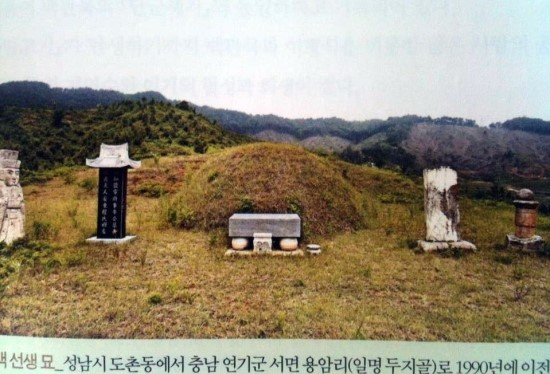
조선 초기의 문신인 이맥은 행촌 이암의 현손으로 자는 정부, 호는 일십당입니다. 1474년(성종 5)에 진사시에 합격하였으나, 학문에만 힘쓰다가 1498년(연산군 4) 44세 때, 비로서 식년시에 급제하였습니다. 그 후 성균관 전적 등 여러 관직을 거쳐 사헌부 장령에 이르렀는데, 장숙용(장녹수)이 연산군의 총애를 믿고 분에 넘치게 재물을 탐하고 사치를 일삼자 여러 차례 탄핵 상소를 올리다가 50세(1504)에 충청도 괴산에 유배 되었습니다.
이때의 귀양살이에 대해 이백은 ‘근신해야 할 처지였기에 아주 무료한 나날을 보냈다’고 하였습니다. 이맥은 그 먼 곳으로 집안에서 간직하던 책 상자를 가지고 갔습니다. 그 상자에 담긴 조상 대대로 내려오던 역사책과 귀양살이 하기 이전에 노인들에게 들은 역사 이야기를 기록한 문서를 살피며 2년의 세월을 보냈습니다.
1506년 중종반정 이후 사간원의 으뜸 벼슬인 대사간에 임명되었으나 이의를 제기한 대신들 때문에 우여곡절 끝에 동지돈녕부사에 머물렀습니다. 성품이 강직한 탓에 조정에 적이 많았던 것입니다. 1517년(중종 12)에 연산군의 후사를 세우려 할 때에도 이맥은 “연산은 종묘에 죄를 얻었으니 속적이 마땅히 끊어져야 한다”라고 주장하기도 하였습니다.
66세 때인 1520년, 이맥은 실록을 기록하는 찬수관이 되었습니다. 찬수관이라는 직책은 이맥에게 일생의 과업을 완수할 수 있는 기회를 부여하였습니다. 지난 세조, 예종, 성종 때 전국에서 대대적으로 수거하여 궁궐 깊이 감춰 두었던 상고 역사서를 마음껏 접할 수 있었기 때문입니다.
이맥은 그 금서를 통해서 알게 된 사실과 예전 귀양시절에 정리해 둔 글을 합쳐 한 권의 책으로 묶고, “정사에서 빠진 태백의 역사라는 뜻으로 [태백일사]라는 이름을 붙였습니다. 그러나 중국을 사대하는 조선의 악습과, 성리학에 위배되는 학설을 조금도 용납하지 않는 세태 때문에 책을 세상에 내놓지 못하고, 74세를 일기로 세상을 떠날 때까지 집안에 비장하였습니다.
[태백일사]는 한민족의 7천 년 상고 역사를 환국, 배달, 고조선이라는 시대별로 세밀하게 다루면서 당시 신교 문화의 신관, 우주관, 인간관, 역사관, 윤리관을 조목조목 전합니다. 이맥은 신교 문화의 원전 [천부경]과 [삼일신고]에 정통한 역사학자입니다. 그의 호 일십당一十堂은 [천부경]의 일적십거一積十鋸에서 따온 것으로 우주의 본체 일(一太極)과 십(十無極)의 정신에 관통하였음을 나타낸 것이며, 스스로 한민족의 신교 삼신 문화와 원형 역사관의 화신임을 드러낸 것입니다.
한마디로 신교 문화 역사서의 완결본인 [태백일사]를 지은 이맥은 가히 한민족 신교 문화의 집대성자라 할 수 있습니다. [태백일사]는 총 8권으로 환국에서 고려까지, 근세 조선을 제외한 한민족사의 국통 맥 전체를 기록하였습니다.
처음에 나오는 <삼신오제본기>는 천상에 만물의 존재 근거인 삼신이 계시고, 그 三神이 다섯 방위의 주재자인 오제五帝를 통솔함을 밝힙니다. 이는 오행사상의 출원처가 곧 삼신사상임을 밝혀 주는 것입니다.
[삼신오제본기]가 三聖組 시대의 정치, 종교, 건축, 의식주 문화 등을 이해하는 데 기초가 되는 삼신 철학을 담고 있기 때문에 [태백일사]의 첫머리에 놓이게 된 것으로 보입니다.
환국과 배달의 역사를 기록한 <환국본기>와 <신시본기>가 제 2권과 제 3권을 이루고, [단군세기]와 마찬가지로 고조선 역사를 기록한 <삼한관경본기>가 제 4권을 이룹니다. 고조선의 중심체인 진한의 마흔 일곱 분 대단군을 중심으로 서술한 [단군세기]와는 달리, 주로 마한과 번한의 역사를 기록하였습니다. <삼한관경본기>를 [단군세기]와 연결해서 보면, 고조선뿐만 아니라 당시 동북아의 국제 정세를 환하게 파악할 수 있습니다.
제 5권 <소도경전본훈>은 신교 시대 한민족의 경전인 천부경, 삼황내문, 삼일신고, 신비지사, 참전계경 등의 유래와 내용을 전하고 있습니다. 하늘에는 三神(조화신, 교화신, 치화신), 땅에는 三韓(진한, 마한, 변한), 인간에게는 三眞(성, 명, 정)이 있음을 밝힌 것은 신교 삼신문화의 핵심을 전한 것이라 하겠습니다. 제6권 이후의 세 권은 <고구려국본기>, <대진국본기>, <고려국본기>로, 고구려 백제, 신라의 삼국시대, 고구려의 후신인 대진국(발해)시대, 대진국과 신라의 남북국 시대를 이은 고려 시대의 역사를 기록하고 있습니다.
이처럼 한민족사 전체가 [태백일사], 한 권에 집대성되어 있습니다.

————–
Yi Maek, the Author of Taebaek Ilsa (1455–1528)
Yi Maek, an official of the early Joseon Dynasty, was the great-grandson of Haengchon Yi Am. His courtesy name was Jeongbu, and his pen name was Ilsipdang. In 1474, during the 5th year of King Seongjong’s reign, he passed the Jinsa exam, but he devoted himself solely to his studies and only passed the regular state exam in 1498, at the age of 44, during the 4th year of King Yeonsan’s reign.
After that, he held various positions such as Jeonjik (Professor of Confucianism) at Sungkyunkwan and Jangnyeong at the Office of the Inspector-General (Sahyeonbu). However, when Jang Nok-su, favored by King Yeonsan, excessively indulged in greed and luxury, Yi Maek submitted multiple impeachment appeals. As a result, he was exiled to Goesan, Chungcheong Province, in 1504, at the age of 50. Regarding this exile, Yi Maek said, “Since I had to maintain caution, I spent very dull days.”
Yi Maek took with him a chest of books that had been kept by his family for generations to his remote place of exile. During his two years of exile, he examined the historical texts handed down by his ancestors and the stories of history he had heard from elders before his exile.
After the Jungjong Restoration of 1506, Yi Maek was appointed Chief Censor (Daesagan) at the Office of Censors, but due to objections from other officials, he eventually settled as Vice Minister of Dongnyeongbu (an advisory council), after many twists and turns. His upright nature made him many enemies at court. In 1517, during the 12th year of King Jungjong’s reign, when it was proposed to restore the posthumous line of King Yeonsan, Yi Maek objected, saying, “Yeonsan has offended the royal shrine, so his lineage should be cut off.”
At the age of 66, in 1520, Yi Maek was appointed as a Chan su gwan, an official responsible for compiling the Annals of the Dynasty. This role provided Yi Maek with an opportunity to complete the life’s work he had long desired. Through this position, he gained access to ancient historical texts that had been collected and hidden deep within the royal palace during the reigns of Kings Sejo, Yejong, and Seongjong.
Combining the knowledge he gained from these forbidden texts with the writings he had organized during his exile, Yi Maek compiled a book and titled it Taebaek Ilsa, which means “History of Taebaek” (referring to the historical events omitted from official records). However, due to the prevailing trend of upholding China’s Confucian teachings and rejecting anything that contradicted Neo-Confucian doctrines, he could not publish the book. It remained hidden within his family until his death at the age of 74.
Taebaek Ilsa meticulously covers 7,000 years of ancient Korean history, divided into the eras of Hwan-guk, Baedal, and Gojoseon. It provides detailed insights into the spiritual, cosmic, human, historical, and ethical views of the ancient Korean Shingyo (Divine Teaching) culture. Yi Maek was a historian well-versed in the sacred texts of Shingyo, such as Cheonbu-gyeong (Heavenly Record) and Sam-il Sin-go (Three-One Divine Teaching).
His pen name, Ilsipdang 一十堂, was derived from the phrase “Iljeok-sipgeo” 一積十鋸 in Cheonbu-gyeong, which reflects the core philosophy of the universe, “One (Taeguk) and Ten (Mugeuk),” indicating that he had penetrated this profound wisdom. It also shows that he saw himself as the embodiment of the Korean people’s Shingyo culture and its original historical perspective.
In short, Yi Maek, who wrote Taebaek Ilsa, the culmination of Shingyo cultural history, can be considered the great synthesizer of the Korean Shingyo culture. Taebaek Ilsa, composed of eight volumes, records the full lineage of Korean history from Hwan-guk to Goryeo, excluding only the contemporary Joseon Dynasty.
The first section, Samshin Oje Bonki (Annals of the Three Gods and the Five Emperors), explains that the Three Gods (Samshin), who are the foundation of all existence, reside in heaven, and these Three Gods command the Five Emperors (Oje) who rule over the five directions. This reveals that the philosophy of the Five Elements (Ohaeng) originates from Samshin thought.
Since Samshin Oje Bonki contains the essential Samshin philosophy, which is fundamental to understanding the politics, religion, architecture, and daily life of the Samsaengjo era (the era of the Three Sacred Rulers), it was placed at the beginning of Taebaek Ilsa.
The history of Hwan-guk and Baedal is recorded in the second and third volumes, Hwan-guk Bonki and Sinshi Bonki, respectively, while the fourth volume, Samhan Gwan-gyeong Bonki, covers the history of Gojoseon, focusing on the history of Mahan and Beonhan rather than Jinhan, the core of Gojoseon. When connected with Dangun Segi (Annals of Dangun), this volume provides a clear understanding not only of Gojoseon but also of the international situation in Northeast Asia at the time.
The fifth volume, Sodo Gyeongjeon Bonhun, introduces the origins and contents of Shingyo scriptures such as Cheonbu-gyeong, Samhwang Naemun, Sam-il Sin-go, Sinbi Jisa, and Chamjeon Gye-gyeong. It explains that the Three Gods (Samshin) exist in heaven (as Jo-hwa-shin, Kyo-hwa-shin, and Chi-hwa-shin), the Three Han (Jinhan, Mahan, and Byeonhan) exist on Earth, and the Three Truths (Sung, Myung, and Jeong) exist in humans, thus conveying the core principles of Shingyo culture.
The remaining three volumes cover the history of Goguryeo, Balhae (Daebin-guk), and Goryeo, respectively, detailing the Three Kingdoms (Goguryeo, Baekje, and Silla), the post-Goguryeo Balhae era, and the era of Goryeo that followed the Southern and Northern States period (Balhae and Unified Silla).
In this way, Taebaek Ilsa serves as a comprehensive compilation of the entire history of the Korean people.