

일본의 역사 또한 중국 역사 못지 않게 고조선과 밀착 되어 있습니다. 고대 일본사는 동방 한민족의 이민 개척사에 지나지 않습니다. 일본의 정통 역사서인 [일본서기]와 [고사기]에 기록된 건국사화에서도 일본 역사는 동방 한민족이 개창한 역사임이 드러나고 있습니다.
천손강림의 일본 건국사화가 환웅의 배달 건국사화와 그 틀이 똑같은 것에서 이를 알 수 있습니다. 그리고 BCE660년에 즉위한 초대 왕 진무의 정체 또한 일본 고대사는 고조선이 개창한 역사임을 밝혀 줍니다.
가륵단군 때 두지주의 예읍 지역에서 반란이 일어나자 그곳 추장 소시모리를 처형하였습니다. 이 소시모리의 후손으로 36세 매륵단군 때의 인물인 협야후 배반명이 일본으로 건너가 (BCE667) 그 곳을 정복하고 스스로 천왕이라 칭하였는데, 이 배반명이 곧 일본의 초대 왕 진무입니다.
일본서기는 진무가 큐슈 섬 일향에서 출발하여 일본 열도를 평정하고 BCE660년에 천왕으로 등극하였다고 말합니다. 진무의 천왕 즉위 사건과 겨우 7년밖에 차이가 나지 않은 배반명의 천왕 참칭 사건, 이 두 가지는 동일한 사건인 것입니다.
추장 소시모리는 일본서기에서 ‘소시모리’라는 지명으로 나타납니다. 일본의 국조신 아마테라스의 아우인 스사노가 과도한 야심을 품고 난동을 피우자 주민들이 단결하여 그를 그의 본국인 신라(당시에는 고조선이었다)로 쫓아냈습니다. [일본서기]는 스사노가 이때 ‘신라국에 내려와 소시모리라는 곳에 살았다’라고 전합니다. 일본 왕가의 뿌리와 연관된 소시모리 추장의 이름을 지면으로 변형하여 그들의 역사책에 심었을 가능성이 높습니다.
고조선에 의해 비로소 왕조사가 시작된 일본은 그 후로도 이 땅에서 넘어간 한민족에게서 역사발전의 영양분을 공급받았습니다. 대대적인 규모의 집단이 일본으로 넘어간 사건만 해도 최소 여섯 차례에 달합니다.
제1단계는 BCE300년경 일본이 아직 신석기 문화의 죠몬 시대에 머물러 있을 때 고조선족이 집단 이주하여 야요이(BCE3세기~3세기)시대를 열어 준 것입니다. 이것은 일본의 문명을 청동기 수준으로 도약시켜 일대 변혁을 일으킨 사건이었습니다.
제2단계부터는 고조선 이후의 사건이지만, 고조선 이후 한민족의 이민사가 어떻게 진행되었는지 그 핵심만 간단히 정리해 보겠습니다. 제2단계는 3~5세기에 부여, 백제 등에서 대집단이 다시 도일한 사건입니다.
이 시기는 제15대 오진왕에 의해 일본 최초의 통일왕조인 야마토 정권이 탄생한(286년, 일본서기)때이며 문화사적으로 고분문화 초기입니다. 고분문화의 출현과정을 두고 이해가 가지 않을 정도로 지나치게 바르고 이질적이고 평한 일본 사학자 에가미 나미오는 그 이유를 외부에서 온 기마민족이 새 문화를 유입시켰기 때문이라 하였습니다. 그 기마민족이 다름 아닌 부여와 고구려계의 유민이었던 것입니다.
야마토 정권을 연 오진 왕의 정체 또한 일왕가(일본)의 뿌리가 한민족임을 보여줍니다. 서부여의 의려왕 또는 그 아들 의라가 선비족 모용괴(모용외)에게 패하자 수천 명을 거느리고 바다를 건너 가 왜를 평정하고 왕이 되었는데 (285년 태백일사, 대진국본기), 그 연도는 오진 왕 등극과 1년밖에 차이가 나지 않습니다. 오진이 곧 부여 왕 의려 또는 의라인 것입니다.
제3단계는 6세기 중반부터 7세기 초, 수준이 더욱 높아진 문화기술 집단이 건너가 고대 일본 문화의 정수라 일컫는 아스카 문화를 일으킨 것입니다. 백제에서는 불교를 전해 주고 역박사, 오경박사, 의학박사를 파견하였습니다. 고구려에서는 승려 담징이 채색하는 법과 종이, 먹의 제조법을 전했습니다.
당시 백제는 일본에 동조를 두고 줄곧 왕자를 파견하여 일본 정국을 마음대로 조종하였는데, 훗날 [일본서기]는 이것을 백제 왕자가 일본에 볼모로 잡혀간 것으로 왜곡하였습니다. 특히 31대 요메이왕은 백제궁이라는 궁궐을 지어 생을 마감할 때까지 거처하였으며 백제 옷을 입고 생활하였습니다.
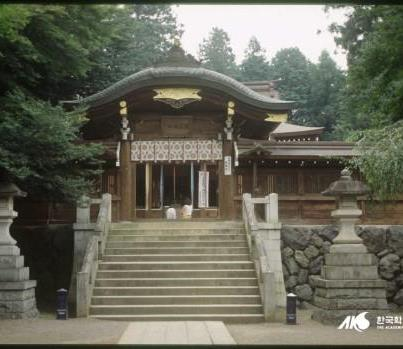
제4단계는 7세기 후반 백제와 고구려가 패망하면서 초대 규모의 집단이 일본으로 망명한 것입니다. 그 망명자 가운데 고구려 보장제의 후손인 약광은 일본 후지산 동쪽 간토 지방을 개척했습니다. 이 지역에서는 아직까지도 고려본향, 고려천 같은 지명이 남아 있고, 약광을 주신으로 모신 고려신사가 있을 뿐 아니라, 그 후손인 고려 씨의 족보가 전해 내려옵니다. 나라 잃은 백제와 고구려의 백성들이 새로운 터전을 찾아 그곳으로 갈 수 있었던 것은 이미 그곳에 건너가서 살던 우리 조상들이 일본의 중심 세력으로 기반을 잡고 있었기 때문이었습니다.
제5단계는 자의에 의한 이주와 문화 전수가 아니었습니다. 임진왜란 때 잡혀간 관리, 학자, 종교인, 도공, 기타 각종 기술자가 일본 문화를 발전시킨 것입니다. 물론 그때 일본은 사람뿐만 아니라 활자, 서적, 불상, 범종 등 무수한 문화재를 약탈해 갔습니다.
마지막으로 제6단계는 임진왜란이 끝난 후 도쿠가와 정권의 간청에 따라 조선 조정이 문화사절단인 통신사를 대규모로 동경에까지 파견하여 선진 문물을 전한 것입니다. 조선통신사는 1609년 이후 19세기 초까지 10여 회를 왕래했는데 한번 왕복에 약 1년씩 걸렸습니다. 사절단에는 고관, 학자, 문인, 의사, 서화가, 아악 연주자뿐 아니라 승마사, 무술사, 곡예사, 재인과 같은 기예인에 이르기까지 각 방면의 다양한 인물이 포함되어 있었습니다. 말하자면 일본이 백과의 강사들을 조선에서 모셔다가 문물을 배운 것입니다.
요컨대 고조선 이후 근세 조선에 이르기까지 한국은 일본 문화 전반에 걸쳐 지대한 영향을 끼친 정신적 조국이자 스승 나라였습니다.

————
Japan’s history is deeply intertwined with Gojoseon, just as China’s history is. Ancient Japanese history is, in essence, the migration and settlement history of the Eastern Korean people. Even Japan’s foundational myths, recorded in its official histories, Nihon Shoki and Kojiki, reveal that Japan’s history was initiated by Eastern Koreans.
The myth of Japan’s founding, involving the descent of the heavenly grandchild (tenson kōrin), mirrors the story of Hwanung founding Baedal, indicating their shared roots. Furthermore, the identity of Japan’s first king, Emperor Jimmu, who ascended the throne in BCE 660, further supports the connection between ancient Japan and Gojoseon.
Emperor Jimmu and His Connection to Gojoseon
During the reign of the 35th Dangun, Garuk Dangun, a rebellion broke out in the Ye-eup region of Dooji Province. The local chieftain, Sosimori, was executed for his role in the uprising. Later, one of Sosimori’s descendants, Hyopyahu Baebanmyung, crossed over to Japan during the reign of the 36th Dangun, Maeryuk Dangun (BCE 667). He conquered the region and declared himself Tennō (Emperor). This Hyopyahu Baebanmyung is none other than Japan’s first emperor, Jimmu.
The Nihon Shoki states that Emperor Jimmu departed from the Kyushu region, subdued the Japanese archipelago, and was enthroned as Emperor in BCE 660. The timing of Baebanmyung’s self-declaration as Emperor (BCE 667) and Jimmu’s enthronement differ by only seven years, confirming that the two events are the same.
Sosimori, the chieftain mentioned earlier, is referred to in the Nihon Shoki as a place name. The record also mentions that Susanoo, the younger brother of Japan’s national deity Amaterasu, caused disturbances due to his ambition and was expelled by the people to his homeland, Silla (which at the time was part of Gojoseon). The Nihon Shoki states, “Susanoo came to Silla and lived in a place called Sosimori.” This suggests that the name “Sosimori,” tied to Japan’s imperial lineage, was transformed into a geographic term in Japanese history to obscure its origins.
Gojoseon’s Role in Japan’s Development
Japan’s dynastic history began with Gojoseon and continued to draw cultural and technological nourishment from subsequent waves of migration from the Korean Peninsula. At least six significant migrations from Korea to Japan profoundly shaped Japan’s cultural and historical development.
First Stage: The Yayoi Revolution
Around BCE 300, when Japan was still in the Neolithic Jōmon period, people from Gojoseon migrated in large numbers, initiating the Yayoi period (BCE 3rd century–3rd century CE). This migration introduced Bronze Age culture, sparking a major transformation in Japan’s civilization.
Second Stage: The Formation of the Yamato State
The second stage occurred between the 3rd and 5th centuries, with significant migrations from Buyeo, Baekje, and other Korean states. This era coincided with the founding of Japan’s first unified state, the Yamato regime, under Emperor Ōjin (286 CE, according to the Nihon Shoki). This period marked the early Kofun culture, characterized by large burial mounds.
Japanese scholar Egami Namio noted that the sudden appearance of such advanced burial culture suggests the arrival of horse-riding peoples from outside Japan. These were none other than migrants from Buyeo and Goguryeo.
Emperor Ōjin’s identity also reveals the Korean roots of the Japanese imperial family. According to Taebaek Ilsa, Ōjin corresponds to King Ureyo or his son, Uira, of Western Buyeo. Defeated by the Xianbei leader Murong Hui, Ureyo led thousands across the sea, subdued Japan, and became its ruler (285 CE). This aligns closely with the timeline of Emperor Ōjin’s ascension, suggesting that Ōjin was in fact a Buyeo prince.
Third Stage: The Asuka Culture
The third stage, from the mid-6th to early 7th century, involved a migration of highly skilled cultural and technical groups, giving rise to the Asuka culture, considered the pinnacle of ancient Japanese civilization.
Baekje introduced Buddhism to Japan and sent experts in medicine, astronomy, and the Confucian classics. Goguryeo contributed by sending artisans like the monk Damjing, who taught Japan how to make paper, ink, and colored painting techniques. Baekje also exerted significant political influence, sending royal family members to manage Japan’s affairs, a fact later distorted by Japanese records. For instance, Nihon Shoki falsely claimed that Baekje princes were sent as hostages to Japan.
The 31st Emperor of Japan, Yōmei, even built and resided in a palace named “Baekje Palace” and lived in Baekje attire until his death.
Fourth Stage: Post-Fall Migrations
After the fall of Baekje and Goguryeo in the late 7th century, large-scale migrations occurred. Among these refugees was Yakwang, a descendant of Goguryeo’s King Bojang. He settled in the Kanto region east of Mount Fuji, establishing the area. Today, names like “Koryo Hometown” and “Koryo Shrine” remain, and Yakwang is revered as a local deity. The Koryo clan, his descendants, continues to maintain genealogical records. These refugees were able to integrate into Japan because earlier Korean migrants had already established a strong foothold in Japanese society.
Fifth Stage: The Imjin War
During the Japanese invasions of Korea (1592–1598), many Koreans, including scholars, artisans, and potters, were forcibly taken to Japan. These individuals significantly advanced Japanese culture, introducing technologies and art forms. Alongside people, the Japanese also looted cultural artifacts such as movable type, books, statues, and bells.
Sixth Stage: Joseon Missions to Japan
After the Imjin War, the Tokugawa shogunate invited Joseon to send cultural envoys. From 1609 to the early 19th century, the Joseon court dispatched Tongsinsa missions over ten times. Each journey took about a year and included officials, scholars, artists, physicians, musicians, and performers. These missions introduced advanced Korean knowledge and culture, playing the role of “teachers” to Japan.
Conclusion: Korea as Japan’s Cultural Mentor
From the era of Gojoseon to the Joseon Dynasty, Korea played a profound role as Japan’s cultural progenitor and mentor. Through numerous migrations, technological transfers, and cultural exchanges, Korea deeply influenced the foundation and development of Japanese civilization.