

부여족은 일본열도에도 진출하였습니다. 그래서 초기 일본 왕실은 부여계에서 나왔습니다. 일찍이 기다 사다기치(1871~1939)는 일본 왕실의 조상이 부여, 백제계라고 밝힌 바 있습니다. 1921년에 기다는 “부여는 한반도에서 고구려, 백제, 신라를 건국했을 뿐 아니라, 4세기에 일본열도로 건너와 나라를 세웠다. 적어도 한국의 삼국과 일본의 건국 사이에 모종의 관련이 있다”라고 지적했습니다. 그리고 고문헌을 연구하여 유물, 언어, 신화, 풍습 등 다방면에서 한반도와 일본의 문화가 매우 비슷하다고 주장했습니다.
기다 사다기치는 일본의 기마민족설을 최초로 주장한 사람입니다. 이러한 기마민족설을 최종적으로 완성한 사람은 동경대학 교수를 역임한 에가미 나미오(1906~2002)입니다. 그는 동북 부여계의 기마민족이 한반도 남부를 거쳐 일본열도로 들어와 4세기 후반에서 5세기에 야마토 지방에 야마토 조정을 세웠다는 ‘기마민족정복왕조설’을 주장했습니다. 대륙의 기마민족이 일본을 정복하였다는 기마민족일본정복론인 셈입니다.
에가미는 일본 민족의 형성과 일본 국가의 성립을 구별하였습니다. 민족의 형성은 야오이 시대의 농경 민족으로 거슬로 올라가지만, 통일국가인 야마토 조정은 4세기에서 5세기 송화강 유역의 평원에 있던 부여계 기마민족이 한반도 남부를 거쳐 일본열도에 와서 세운 왕조라는 것입니다. 곧 기마민족 중 남하한 일부가 고구려와 백제를 세웠고, 일부는 가야를 지배한 후 4세기 초에 대마, 잇키섬을 경유해 큐슈 북부를 정복하여 ‘왜한연합왕국’을 형성하였다는 것입니다.
더욱이 그 세력은 5세기 초경에 기내의 오사카 평야에 진출하여 거대 고분을 조성하고 야마토 조정을 세웠다는 것입니다. 한반도에서 건너간 부여, 백제, 가야 사람들이 일본 고대 국가를 건설하였다는 설은 이제 일본 학계에서 받아들여지고 있는 실정입니다.
그런데 태백일사에 의하면, 3세기 말에 서부여의 왕인 의려가 선비 모용외에게 패하자 무리 수천 명을 거느리고 바다를 건너 왜를 평정하고 왕이 되었다고 전합니다. 또 태백일사-대진국본기에는 의려국 이야기가 나옵니다. 의려국은 앞에서 언급한 연나부부여를 말합니다. 의려왕에게서 나라를 물려받은 아들 의랑왕은 중국 동진의 도움으로 나라를 재건하였습니다. 그러나 거듭되는 모용씨의 침략을 견디지 못하고 수천 명을 이끌고 바다를 건너 일본으로 갔습니다. 서부여의 의려국 왕자 의라가 일본으로 건너가15대 오진왕이 되었는데, ‘삼신의 부명에 응한다’하여 응신이라는 이름을 지었다고 합니다.
의려왕과 의라왕의 이름은 삼국지-위서동이전에도 보입니다. 의려와 의라는 고구려 태조무열제 때 공손씨의 침략에 맞서 싸운 서부여 왕 위구태의 후손입니다. 위구태 이후에 간위거-마여-의려-의라로 서부여의 왕위가 이어졌다고 기록되어 있습니다.
삼국지-위서동이전에는 또한 부여인의 풍속이 상세하게 기록되어 있습니다. 이에 따르면 “은정월殷正月(음력 12월)에 영고라는 천제를 지낼 때 온 나라 사람이 매일 모여 술을 마시고 춤을 추었다. 부여인은 흰색 옷을 숭상하였는데 도포는 소매가 매우 넓었다. 가죽옷을 즐겨 입었고, 외국으로 나갈 때에는 비단 옷에 수를 놓아 입었다. 가죽신을 신고 모자는 금은으로 장식하였다. 형벌은 몹시 엄하여 남녀 간에 음란한 짓을 한 자나 질투하는 여자는 모두 죽였고, 또 흉노처럼 형이 죽으면 형수를 아내로 맞이하였다“ 합니다. 부여인의 생활을 엿볼 수 있는 소중한 기록이 아닐 수 없습니다.
그런데 부여인의 다음과 같은 습속은 오늘날 일본인들의 생활 문화를 연상시키는 것이어서 특히 주목됩니다. 위서동이전에서 “음식을 먹을 때는 모두 조두를 사용하고, 여럿이 모이는 때에는 서로 절하면서 잔을 권하는데 잔을 씻어 권한다”라고 하였고 또 통역하는 사람이 말을 전할 때는 모두 무릎을 꿇고 손을 땅에 대고 조용히 말을 한다“라고 하였습니다. 이러한 습속은 부여인과 일본과의 강한 연결 고리를 보여 줍니다
부여인의 일본 진출은 고고학적으로도 입증됩니다. 오진 왕이 세운 나라가 있던 가와치 땅 오진 왕릉 터에서 금동제로 조각된 아름다움 말안장 장식인 안교가 나왔습니다. 그것은 기마민족의 문화가 현해탄을 건너서 일본에 전파되었음을 고고학적으로 증명하는 한 실례입니다. 결론적으로 말하면 일본은 부여 문화를 그대로 가지고 건너 간 한민족이 세운 나라인 것입니다.
부여사를 찾는 날이 곧 역사 광복의 날
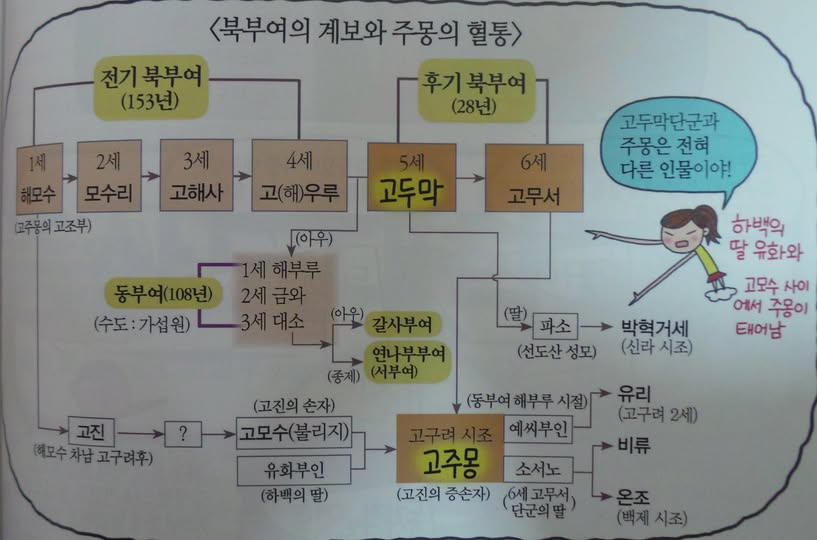
후한서, 삼국지 등 중국 역사서에 나오는 부여사는 모두 서부여의 역사입니다. 서부여는 북부여(4세 단군 이후)에서 갈려 나간 동부여가 망한 후 요서에 생긴 망명부여입니다. 서부여사는 부여의 끝자락 역사인 것입니다. 하지만 한국의 주류 강단 사학계에서 펴낸 모든 책은 서부여를 부여 모습의 전부로 그리고 있습니다. 우리의 고유사서를 불신하고 부여에 대한 단편적이고 왜곡된 정보를 담고 있는 중국 사서를 신뢰한 결과입니다.
이로 말미암아 부여사의 원형이 파괴되고 나아가 9천 년 한국사의 허리가 잘려 국통 맥이 단절되고 말았습니다. 북부여라는 ‘한국사의 잃어버린 고리’가 고조선과 고구려 사이에 제대로 끼워지는 그날이 바로 ‘동방 배달민족사의 9천 년 국통 맥’이 온전하게 정립되는 역사 광복의 날이 될 것입니다.

—————–
The Buyeo people extended their influence into the Japanese archipelago, with early Japanese royal families tracing their origins to Buyeo and Baekje lineages. Kida Sadakichi (1871–1939) was one of the first scholars to assert that the Japanese imperial family descended from Buyeo and Baekje. In 1921, Kida stated, “Buyeo not only founded Goguryeo, Baekje, and Silla on the Korean Peninsula, but also crossed to the Japanese archipelago in the 4th century to establish a nation.
There is certainly a connection between the founding of Korea’s Three Kingdoms and Japan’s ancient state.” He supported his claims with evidence from ancient texts, artifacts, language, mythology, and cultural practices, which revealed significant similarities between Korea and Japan.
Kida was the first to propose the “Horse-riding Tribe Theory” (기마민족설), later expanded and formalized by Egami Namio (1906–2002), a professor at the University of Tokyo. Egami argued that a horse-riding tribe of Buyeo origin from the Songhua River plains migrated to the Japanese archipelago via the southern Korean Peninsula in the late 4th to early 5th century. This tribe established the Yamato court in the Kinki region, marking the formation of a unified Japanese state.
Egami distinguished the ethnic origins of the Japanese people from the formation of the Yamato state. While Japan’s ethnic roots trace back to the Yayoi period (marked by agricultural development), the Yamato state was established by Buyeo horse-riders who arrived from the Korean Peninsula. According to Egami: A faction of the horse-riding Buyeo migrated southward, founding Goguryeo and Baekje. Another group moved through Gaya in the southern Korean Peninsula, crossed the Tsushima Strait, and conquered northern Kyushu.
By the early 5th century, they advanced into the Osaka plains and constructed large burial mounds (kofun) as symbols of their authority, culminating in the establishment of the Yamato court.
Egami’s theory, which suggests that Buyeo, Baekje, and Gaya people were instrumental in founding early Japan, is now widely accepted in Japanese academia. Korean historical texts such as the Taebaek Ilsa offer additional details about Buyeo’s migration to Japan:
In the late 3rd century, Uiro, the king of Western Buyeo, was defeated by Murong Wei of the Xianbei tribe. Fleeing with thousands of followers, Uiro crossed the sea to Japan, subdued local forces, and became a king.
According to the Taebaek Ilsa – Daejingu Bon-gi, Uiro’s son, Irang, rebuilt the kingdom with the help of the Eastern Jin Dynasty but eventually led his people to Japan due to relentless Xianbei invasions.
Irang’s son, Ira, is identified as Emperor Ojin (the 15th emperor of Japan). He adopted the name Ojin, meaning “responding to the command of the three divine spirits” (Samshin). These accounts link the Buyeo royal lineage to the formation of Japan’s early imperial family.
The lifestyles and customs of the Buyeo people described in Chinese historical texts such as the Records of the Three Kingdoms (Sanguozhi) reveal striking similarities to Japanese traditions:
Buyeo people held heavenly rituals (Yeonggo) in December, involving drinking, dancing, and communal gatherings. Their preference for white clothing, wide-sleeved robes, leather garments, and elaborately embroidered silk clothing mirrors early Japanese aristocratic attire.
During meals, Buyeo people used wooden trays (jodu), and when offering drinks, they would bow, cleanse the cups, and serve them in a ceremonious manner.
When interpreting speech, messengers would kneel with hands on the ground, a custom still seen in traditional Japanese ceremonies.
The tomb of Emperor Ojin in Kawachi contains artifacts, including gold-plated horse-riding ornaments, that reflect horse-riding cultures originating from Buyeo.
These connections suggest that Buyeo culture deeply influenced early Japanese customs and societal structures.
Despite the strong evidence of Buyeo’s influence, mainstream Korean historiography has largely neglected Buyeo history, reducing it to fragmented accounts drawn from Chinese records such as the Hou Hanshu and Sanguozhi.
Many scholars treat Western Buyeo as the entirety of Buyeo history, overlooking the broader context of Northern and Eastern Buyeo. This reliance on Chinese sources over indigenous Korean texts, such as the Taebaek Ilsa, has led to significant gaps in understanding the Buyeo lineage.
Implications for Korean Identity
Neglecting Buyeo history disrupts the continuity of Korea’s historical narrative, severing the connection between Gojoseon and Goguryeo.
Recognizing Buyeo as the cultural and political bridge between Korea and Japan reestablishes Korea’s historical influence on Northeast Asia.
The story of the Buyeo people, from their role in founding Goguryeo and Baekje to their migration into Japan, is a testament to their significance in shaping the history of East Asia. Recognizing Buyeo’s contributions allows us to restore a missing link in Korea’s historical narrative and reclaim the legacy of a civilization that played a pivotal role in the formation of not only Korea but also Japan.
The day we fully restore Buyeo’s place in Korean history will mark the true “historical liberation” of Northeast Asia. By reconnecting Buyeo’s legacy with the broader narrative of 9,000 years of Korean history, we can achieve a more complete understanding of the origins and cultural impact of the Korean people.