[환단고기]를 쓴 저자들은 당대의 최고 지성인이었습니다. 신라의 안함로는 수나라로 건너가 중국과 서역의 승려들과 불법을 닦았고, 도통한 승려로서 후대에 이르기까지 추앙을 받은 성인이었습니다. 행촌 이암은 고려 말에 일인지하 만인지상의 자리에 있던 최고 정치가이자 문필가이며 대학자였습니다.
이암과 동시대에 살았던 범장은 선망의 대상인 간의대부(고려시대 중서문하성의 정4품 관직)를 지냈고, 고려가 망한 후에는 조선 태조와 태종이 중용하려 했던 학자이자 문신이었습니다. 그리고 조선 중기 인물인 이맥은 왕조실록을 기록하고 편찬하는 찬수관에 올라 궁궐에 소장된 상고 역사서를 섭렵한 전문 역사학자였습니다.
이들은 모두 학덕과 심덕을 갖춘 그 시대의 지성으로서 잃어버린 한국사의 원형을 회복하는 것을 인생 최대의 목표로 정하고 정력을 바쳐 인생의 마지막 순간에 저술을 완성하고 세상을 떠났습니다.
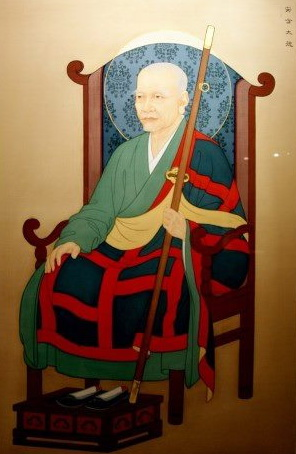
1) <삼성기> 상편을 지은 안함로安含老 (579~640)
안함로는 신라 진평왕 때의 도통한 승려입니다. 성은 김씨이고, 이찬을 지낸 시부의 손자로 안홍법사, 안함법사, 안함태화상으로도 불립니다. 신라의 대표적 인물인 열명의 성인(十聖) 중 한 사람입니다.
고려 고종 때의 승려 각훈이 삼국시대 이래 유명한 고승들의 전기를 정리한 [해동고승전]은 안함로의 생애를 이렇게 전합니다.
‘안함로는 22세(600, 진평왕 22년) 때 승려 혜숙과 함께 배를 타고 중국으로 가다가 풍랑을 만나 되돌아왔다. 이듬해 칙명을 받고 법사가 되어 수나라에서 온 사신과 함께 수나라로 건너가서 분제(재위 581~604)를 직접 만났다. 그곳 대흥사에 머물며 불교 경전과 진문(眞文 – 부처나 보살이 설교한 문구)을 공부하고 열반에 이르는 십승(十乘)의 비법도 익혔다.
4년 만에 공부를 마치고 서역 승려들과 함께 귀국하여 경주 황룡사에 머물면서 [전단향화성광묘녀경]을 번역하고, 참서 한 권을 지었다. 정확한 이름이 전하지 않는 이 참서는 뜻이 깊이 숨겨져 있어 연구하기가 대단히 어려웠다. 선덕여왕 9년(640년) 만선도량에서 62세로 입적하였다.’
[해동고승전]에서는 안함로가 태어나면서 도리를 깨달은 인물이라 하였습니다. 안함로는 일찍부터 사물에 통달하고 지혜가 밝아, 세속의 속박을 벗어나 가고 머무름을 뜻대로 하였습니다. 안함로가 입적한 그 달에 신라 사신이 중국에서 돌아오다가 우연히 법사를 만나서, 푸른 물결 위에 자리를 펴고 앉아 이야기를 나누었는데, 잠시 후 법사는 기쁜 모습으로 서쪽을 향해 떠났다고 합니다. 안함로가 사물에 통하고 지혜가 밝았다는 것은 [삼국유사]<탑상>황룡사 9층탑 조에 전하는 내용에서도 확인할 수 있습니다.
해동의 명현 안홍이 지은 [동도성립기(東都成立記)]에는 이런 말이 있습니다.
“신라 제27대에는 여자가 임금이 되니, 비록 올바른 도리는 있어도 위엄이 없어서 구한이 침범한다. 만일 대궐 남쪽 황룡사에 9층 탑을 세우면 이웃 나라가 침범하는 재앙을 진압할 수 있을 것이다”
안함로가 신라의 국운을 미리 내다 보고 그 대비책으로 불탑을 세우라 한 것입니다. 이렇게 세워진 황룡사 9층 탑은 신라의 삼보 가운데 하나입니다.
안함로가 나라의 앞일을 내다 본 것은 이에 그치지 않습니다. 천리 밖에 나가 싸우던 신라 군사가 전쟁에 패할 일, 삼국통일이 이루어질 해, 왕자 김인문(문무왕의 아우)이 고국에 돌아올 해 등을 예견하였는데, 눈으로 직접 보는 것처럼 조금도 어긋남이 없었다 합니다. 사물의 이치를 통하고 불법을 깨쳤을 뿐만 아니라 신통력으로 나라를 구한 그는 시대의 도승이 틀림없습니다.
안함로는 역사에도 해박하여 전해 오던 고유 사서에서 한민족사 국통 맥의 진액을 뽑아 [삼성기]를 저술하였습니다. 안함로가 언제 책을 썼는지 확실하지는 않으나 중국에서 귀국하여 백성과 조정을 위해 불법을 펼친 30여 년의 세월 중에 쓰여진 것으로 여겨집니다. [삼성기]의 몇 구절만 보더라도 안함로는 뛰어난 학식을 갖춘 지성이요, 불교를 초월하여 유불선(儒彿仙)과 상고시대 신교 문화를 회통한 당대 최고의 도승임을 알 수 있습니다.
* 한국사의 국통 맥을 세우는 근간 [삼성기]
[삼성기]상편과 하편, 두 권의 삼성기는 인류의 창세 역사와 잃어버린 한민족사의 국통 맥을 바로 세우는 근간이 됩니다. 특히 삼성기(상)은 신라를 크게 부흥시킨 진흥왕의 손자인 26세 진평왕(제위 579~632)시대에 쓴 책으로 현존 사서 중에 우리의 국통 맥을 밝힌 가장 오래된 사서입니다. 불과 4쪽 남짓한 짧은 글이지만, 이 기록은 인류의 시원 국가인 환국에서 배달, 고조선, 북부여를 거쳐 고구려와 신라에 이른 한민족사의 맥을 압축하여 전하고 있습니다.
환국과 배달에 대해 삼성기 상편보다 좀 더 세밀히 전하는 삼성기 하편은 환국의 열두 나라 이름과 배달의 18세 환웅천황의 이름, 재위 연도까지 상세히 전하고 있습니다. 하지만 동북아에 세운 한민족의 첫 왕조가 신시(神市)에 도읍을 정한 ‘배달’임을 밝힌 삼성기 상과 달리 삼성기 하는 환웅천황이 무리 3천 명을 이끌고 도착한 곳이 ‘신시’라는 사실만 기록하였으며, 환국시대가 시작되기 이전의 인류 역사, 즉 현 인류의 시조인 나반과 아만에 대한 기록을 남겼습니다.
환국의 실존에 대해 삼성기 상편이 “吳桓建國이 最古라(우리 환족이 세운 나라가 가장 오래되었다)”라고 선언한 것을, 삼성기 하편은 昔有桓國(옛적에 환국이 있었다)“란 말로써 다시 확인 시켜 줍니다. 특히 석유환국, 네 글자는 [삼국유사]<고조선기>에서도 선언되는 한국사의 기원에 관한 명구입니다.
또한 삼성기 상편에선 ”치우천황이 계시어 청구를 널리 개척하셨다“라고 약술한 것을 삼성기 하편은 천자의 자리를 노리고 군사를 일으킨 서방족 헌원을 배달의 치우천황이 탁록 벌판의 대전쟁에서 이기고 신하로 삼았음을 기록하여, 배달 겨레가 청구를 개척한 과정을 자세히 밝혔습니다.
———–
The authors of Hwandangogi were the greatest intellectuals of their time. Anhamro of Silla traveled to the Sui Dynasty of China and studied the Buddhist teachings with monks from China and the Western regions. He was a highly respected monk, revered as a sage for generations to come. Haengchon Yi Am was a leading politician, literary figure, and great scholar during the late Goryeo period, holding the highest authority under the king.
Bumjang, a contemporary of Yi Am, held the esteemed position of Ganye Daebu (a fourth-rank official in the Goryeo period’s Secretariat-Chancellery), and even after Goryeo fell, he was sought after by King Taejo and King Taejong of Joseon for his expertise as a scholar and civil servant. Lastly, Yi Maek, a mid-Joseon scholar, was a historian who worked on compiling and editing the royal annals, and he was well-versed in ancient historical texts preserved in the royal palace.
These individuals were intellectuals of their time, possessing both scholarly and moral virtues. They dedicated their lives to restoring the lost origins of Korean history, and they completed their writings as a culmination of their life’s work before passing away.
1) Anhamro (579–640), author of Samseonggi Part 1
Anhamro was a distinguished monk during the reign of King Jinpyeong of Silla. His surname was Kim, and he was the grandson of an Ichan (a high-ranking official) in Silla. He was also known as Venerable Ahn Hong, Ahn Ham, and Ahn Ham Taehwa. He was one of the ten great sages of Silla.
The monk Gakhun from the Goryeo era compiled the Haedong Goseungjeon, which contains the biographies of renowned monks since the Three Kingdoms period. It describes Anhamro’s life as follows:
“At the age of 22 (600, the 22nd year of King Jinpyeong’s reign), Anhamro, along with the monk Hyeseok, sailed to China, but they encountered a storm and had to return. The following year, by royal decree, Anhamro was sent as a monk to the Sui Dynasty, accompanying the Sui envoy and meeting Emperor Wen (r. 581–604) in person. He stayed at Daehung Temple and studied Buddhist scriptures and Jinmun (true teachings of the Buddha). He also mastered the Ten Vehicles for attaining Nirvana.
After four years of study, he returned to Silla with monks from the Western regions and stayed at Hwangnyongsa Temple in Gyeongju, where he translated the Jeondan-hyang Hwa Seong Gwang Myo-nyeo Gyeong (Sūtra of the Mystical Flower of Chandana), and wrote a secret book. Though the name of this book is not known, its meaning was hidden deep within, making it very difficult to study. He passed away in the 9th year of Queen Seondeok’s reign (640) at the age of 62.”
In Haedong Goseungjeon, Anhamro is described as someone who had attained enlightenment at birth. He was said to have had profound wisdom, transcending the constraints of the secular world. It is said that the month he passed away, a Silla envoy returning from China encountered Anhamro on the waters, where they conversed as if sitting on the blue waves, and shortly after, Anhamro disappeared towards the west. This attests to Anhamro’s wisdom, as also noted in Samguk Yusa, in the section about the Nine-Story Pagoda of Hwangnyongsa.
In the Dongdo Seongnipgi (Chronicles of the Establishment of the Eastern Capital) written by Ahn Hong, a sage of Silla, it is mentioned:
“In the 27th reign of Silla, a woman became the ruler, and though she had virtue, she lacked authority. This invited invasions from foreign powers. If a nine-story pagoda is erected to the south of the royal palace in Hwangnyongsa, the calamities of invasions from neighboring nations can be quelled.”
Anhamro foresaw Silla’s future and proposed the construction of the pagoda as a countermeasure. This Nine-Story Pagoda of Hwangnyongsa became one of the Three Treasures of Silla.
Anhamro’s ability to foresee the future didn’t stop there. He predicted Silla’s defeat in a distant battle, the year of the unification of the Three Kingdoms, and the return of Prince Kim Inmun (brother of King Munmu) to his homeland, all with unerring accuracy, as if he could see them with his own eyes. Not only did he comprehend the principles of things and attain enlightenment in Buddhism, but his supernatural abilities saved the country, marking him as a true master of his time.
Anhamro was also well-versed in history. From the ancient historical texts passed down to him, he drew the essence of Korean history and authored Samseonggi. Although the exact time when Anhamro wrote the book is unclear, it is believed that it was written during his 30 years of spreading the Buddhist teachings for the people and the court after returning from China. Even a few passages from Samseonggi show that Anhamro was an intellectual with outstanding knowledge and a supreme monk who transcended Buddhism, Confucianism, Taoism, and the ancient Shin-gyo culture of the early period.
Samseonggi: The Foundation of the Lineage of Korean History
The two volumes of Samseonggi (Part 1 and Part 2) provide the foundation for clarifying the ancient lineage of Korean history, tracing back to the origins of mankind. Especially, Samseonggi Part 1 was written during the reign of King Jinpyeong, the 26th ruler of Silla, and is one of the oldest surviving historical texts that sheds light on the lineage of Korean history. Although it is a brief text, spanning only about four pages, it succinctly traces the lineage of Korean history from Hwan-guk, to Bae-dal, Gojoseon, Northern Buyeo, Goguryeo, and Silla.
While Samseonggi Part 1 focuses on Bae-dal as the first dynasty of the Korean people, Part 2 elaborates on the twelve countries of Hwan-guk and the names and reign years of the eighteen Hwanung Emperors of Bae-dal. It also records the names of the leaders and the historical events of the period before the start of the Hwan-guk era, documenting the ancestors of modern humans such as Naban and Aman.
Regarding the existence of Hwan-guk, Samseonggi Part 1 declares, “The nation founded by our Hwan people is the oldest,” which is reaffirmed in Part 2 with the phrase, “In the olden days, there was a country called Hwan-guk.” This phrase, “There was Hwan-guk in ancient times,” is also echoed in the Samguk Yusa under the section on Gojoseon.
Additionally, while Samseonggi Part 1 briefly mentions that “Chiwoo Cheonhwang expanded Cheonggu,” Part 2 provides a more detailed account, explaining that Chiwoo Cheonhwang led a war against the Western tribes who coveted the throne and defeated them in the Battle of Takrok, bringing peace to the land. This shows how the Bae-dal people expanded their territory through Chiwoo’s conquests.