게으른 뇌의 잘못된 판단을 극복하기 위한 논리적 마인드에 대해서 설명하기 위해서는 내 인생 대부분의 경력을 차지하고 있는 마케팅에 대해서 말하지 않을 수가 없다.
나는 대학에서 경영학을 전공하면서, 마케팅원론, 마케팅관리론, 마케팅조사론 등을 배웠다. 그 때만 해도 마케팅은 학점을 따기 위한 하나의 학문이었으며, 현실에서 어떻게 응용되는지는 모른 체 막연한 개념만을 가지고 졸업을 하였다.
그리고 LG전자에서 영업을, 피어리스에서 판촉 업무를 거쳐 애경산업에 와서 진정한 마케팅을 접하게 되었고, 흔히 BM(Brand Manager)이라 불리는 마케터가 어떤 방식으로 마케팅을 해야 하는지를 깨우치게 되었다.
당시 애경산업은 다국적 기업인 유니레버와 분리된 지 몇년 안 되었을 때로, 유니레버의 선진 마케팅이 살아있는 마케팅이 강한 회사였다. 그때 내가 배우고 직접 실행하며 경험한 마케팅은 대학에서 배운 것과는 사뭇 다른 마치 바닷가에서 갓 잡아 올린 펄떡이는 생선처럼 현실과 시장이 살아 숨쉬는 마케팅이었다고 감히 얘기할 수 있다.
왜냐하면 철저하게 소비자와 시장의 생동감 있는 의견을 파악하기 위한 #리서치 를 기반으로 환경분석이 이루어졌고, 이에 마케터의 통찰력이 더해져 신상품 기획 및 광고홍보 등의 커뮤니케이션 활동이 이루어졌기 때문이다.
즉, 사실과 데이터에 근거한(Fact-based) 논리적 정보를 바탕으로, 경험과 창의력이 녹아있는 인사이트(Insight)에 의해 대부분의 마케팅 의사결정이 이루어졌다.
그런 바탕 아래서 나는 애경산업에서 화장품 사업의 한 획을 그었던 마리끌레르(Marie Claire)와 여드름 전문 브랜드인 에이솔루션(a-Solution)을 성공적으로 런칭(Launching)하여, 당시 애경산업이 화장품 매출 1천억을 달성할 수 있었던 주역이 되었다.
그러나 여러 사정으로 애경산업을 떠나, 필립스 (전자), 미니골드 (주얼리), LG생명과학 (제약), 그리고 세라젬H&B, 종근당건강, AM H&B (화장품)에 오기까지 많은 업종과 회사를 거쳐 오면서, 대부분 회사들이 객관적 마케팅 조사를 하지 않고 팀장 또는 임원진의 경험에 의존하는 의사결정이나, 마케터의 주관적 판단에 의해 마케팅 활동을 하고 있음을 보고 깜짝 놀랐다.
심지어는 유명한 대기업들조차, 논리적 근거에 기반을 둔 마케팅을 제대로 하지 않고, 빠른 의사결정과 속도라는 명목 하에 순간순간 윗사람의 판단과 결정에 의존하는 마케팅을 하고 있었다. 그러니 어느 회사를 가나 게으른 뇌의 착오는 시시각각 대재앙으로 변해서, 언제든지 회사와 브랜드를 무너뜨릴 기회만 호시탐탐 노리고 있는 것이다.

“마케팅은 학문이 아니라 로직이다.”
애경산업에서 마케팅을 접하기 전까지 약 6년 간 영업과 영업지원 부문의 업무를 해왔던 나는 이 한 마디를 이해하는데 꽤 오랜 시간을 보내야 했다. 그러나 이후 많은 시간이 지난 지금까지도 이 한 마디를 가슴에 새기고 실행하기 위해 노력해 오고 있다.
마케팅은 단순이 지식을 쌓아 가둬 놓는 학문이 아니라, 현장에서 살아 숨쉬는 실전 행동 원칙이다. 그래서 마케터는 자신의 전략을 실행하기 위해 회사의 상사 및 구성원들을 설득하고, 영업부를 설득하고, 거래선을 설득하며, 나아가서는 소비자를 설득하는 과정을 수행해야 한다.
그런데 이런 설득의 과정에서 중요한 것은 실행의 타당성을 입증할 논리적 근거이다. 아무리 참신한 아이디어라 해도 논리적 근거가 없다면 단순히 아이디어로만 끝나는 경우가 많으며, 설령 아이디어가 좋아서 채택되어 실행되었다 하더라도 결국은 시장에서 받아들여지지 않고 실패할 확률이 높다.
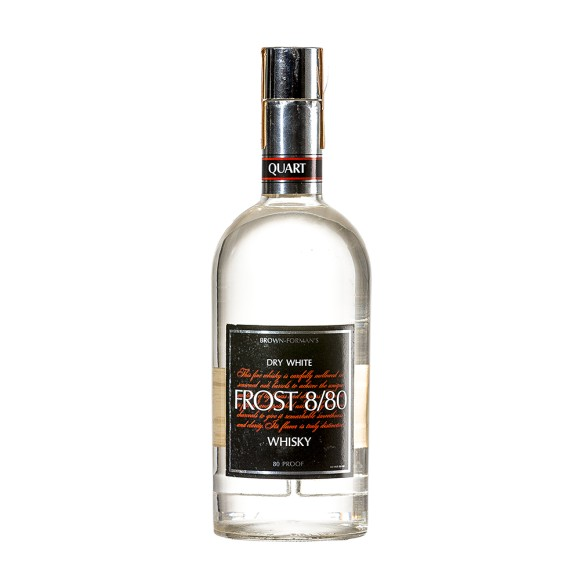
잭 트라우트와 알 리스가 공저한 마케팅의 명저인 <포지셔닝>에서는, 소비자의 인식을 무시한 채 새로운 아이디어로 남들과 다르게만 만들면 성공할 것이라는 막연한 기대에서 출시한 투명한 색의 프로스트 드라이 화이트 위스키의 실패사례가 나온다.
대부분이 옅은 갈색인 위스키에 반해서 차별화된 깨끗한 이미지의 투명색 위스키를 만든다면 성공할 것이라는 생각은 소비자의 인식 속에 자리잡고 있는 투명색이 주는 이미지가 고급 위스키가 아니라, 값싼 드라이 진이라는 것을 제대로 조사하지 않았기 때문에 실패한 것이라 말하고 있다.
또한 이 책에서는 한 때 크게 성공했던 회사가 FWMTS의 함정(Forget What Made Them Successful)에 빠져 자신이 성공했을 때를 잊고 자만하고 방심하여, 어처구니없게도 남들과 변함없이 비슷해져서 자기다움이 사라진 실패사례도 얘기하고 있다.
이처럼 성공경험이 큰 마케터는 우선적으로 경계해야 할 첫 번째가 바로 자기 자신의 자만심이다. 게으른 뇌가 과거 했던 것처럼 하고 싶어하는 관성에 움직이지 말고, 원칙과 로직에 입각해서 전략을 수립하는 것이 얼마나 중요한 일인지를 명심해야 한다.
————-
To explain the concept of #logical #mindset that can overcome the erroneous judgments of a lazy brain, it is essential to talk about #marketing, which has occupied most of my career.
While majoring in Business Administration at university, I studied subjects such as Principles of Marketing, Marketing Management, and Marketing Research. At the time, marketing was merely an academic subject to earn credits, and I graduated with only vague notions, having no understanding of how it was applied in the real world.
After working in sales at LG Electronics and in promotions at Peerless, I joined Aekyung Industrial and was exposed to real marketing. There, I came to understand how marketers, often referred to as #Brand Managers (BM), should approach marketing.
At that time, Aekyung Industrial had recently separated from the multinational corporation Unilever and still retained its advanced, living marketing practices. The marketing I learned and directly implemented there was drastically different from what I had learned in university—it was as vivid and dynamic as a freshly caught fish flopping on a seaside pier, alive with the reality of the market.
This was because environmental analysis was thoroughly grounded in #research to grasp the vivid opinions of consumers and the market. To this, the marketer’s #insight was added to carry out activities such as new product planning and advertising communication.
Thus, most marketing decisions were made based on fact-based logical information, combined with experience and creativity-infused #insight.
With that foundation, I successfully launched Marie Claire, a significant milestone in Aekyung Industrial’s cosmetics business, and a-Solution, a brand specializing in acne treatment. These achievements made me one of the key players behind Aekyung Industrial reaching 100 billion KRW in cosmetics sales at the time.
However, due to various circumstances, I left Aekyung Industrial and passed through numerous industries and companies, including Philips (electronics), Minigold (jewelry), LG Life Sciences (pharmaceuticals), and later Seragem H&B, Chong Kun Dang Healthcare, and AM H&B (cosmetics). In this journey, I was shocked to see that most companies did not conduct objective marketing research and instead relied on team leaders’ or executives’ experiences or subjective judgments by marketers for their marketing activities.
Even well-known conglomerates were conducting marketing not based on logical grounds but on the rapid decision-making and judgment of higher-ups under the guise of speed. As a result, in every company, the lazy brain’s errors were always on the verge of turning into major disasters, constantly threatening to collapse both company and brand.
“Marketing is not a discipline but logic.”
Before encountering marketing at Aekyung Industrial, I spent about six years working in sales and sales support. It took me quite some time to fully understand this statement. However, even after all these years, I still engrave this statement in my heart and strive to act on it.
Marketing is not an academic discipline where knowledge is simply accumulated and stored. It is a living, breathing field principle of action. Therefore, marketers must persuade their superiors and colleagues within the company, persuade the sales team, persuade partners, and ultimately persuade consumers in order to execute their strategies.
In this process of persuasion, the critical factor is the logical basis that proves the feasibility of execution. No matter how innovative an idea may be, without a logical basis, it often ends as just an idea. Even if it is executed due to its appeal, there is a high chance it will fail in the market.
In the marketing classic Positioning by Jack Trout and Al Ries, there is a case of failure where a transparent-colored Frost Dry White Whisky was launched based on the vague expectation that it would succeed just by being different. However, it failed because they neglected to investigate the consumer perception that transparent spirits were not perceived as premium whisky but as cheap dry gin.
The book also discusses how once-successful companies fall into the trap of FWMTS (Forget What Made Them Successful), becoming complacent and indistinguishable from others, leading to a loss of uniqueness and eventual failure.
In this way, the first thing that a marketer with a strong #trackrecord must guard against is their own arrogance. Instead of being swayed by the inertia of wanting to do things the way they were done in the past, it is crucial to build strategies based on principles and logic.