앞서 주얼리 회사의 사례에서 말했듯이 전략의 궁극적인 힘은 실행력에서 나온다. 그리고 그 실행이 성공적으로 이루어지기 위해서는 반드시 제대로 된 분석에 의한 계획이 선행되어야 한다.
왜냐하면 전략은 현재가 아니라 불확실한 미래를 위해 만들어지는 것이기 때문이다. 즉, 전략은 현재가 아니라 미래의 꿈, 비젼, 목표에 대해 내리는 지금 현재의 의사결정이기 때문에, 항상 불확실성의 위험(Risk)의 연속선 상에 있다.
만약 미래가 명확하고 확실한 상황이라면, 우리는 정확하고 측정 가능한 정보를 통해 전략의 결과를 쉽게 평가할 수 있을 것이다. 쉽게 말해서 어떤 주식이 언제 오르고, 어디 부동산 값이 폭등할지를 미리 예측 가능하다면 이 세상에 돈 못 벌고 못사는 사람이 어디 있겠는가?
그러나 현실은 그렇지 않다. 미래는 언제나 불확실하며, 신이 아니라면 절대로 그 결과를 정확히 예측하기 어렵다. 그러므로 전략을 수립하기 위해서는 무엇보다도 먼저 미래의 불확실성의 정도, 변화의 속도, 그리고 이로 인해 야기될 수 있는 결과들에 대해 예측하고 평가할 수 있어야 한다.

이는 비단 기업이나 관공서 같은 조직에만 국한된 말이 아니다. 사람의 인생에도 꿈과 목표가 있어야 하듯이 인생의 전략도 반드시 수립되어야 하는 중요한 과제이다.
기업이 이윤을 영위하기 위해 존재하는 법인체이듯이 개인도 행복을 영위하기 위해 살아가는 인격체로서, 가장 기초적인 필요조건으로써 돈을 벌어야 하고 미래를 대비해 저금을 해야 한다. 기업이든 개인이든 한마디로 성공하여 부자가 되고 싶어하는 것이다.
그러나 불확실한 미래를 위해 우리는 한도 끝도 없는 투자를 계속할 수가 없다. 불행하게도 우리에게 주어진 자원은 언제나 한정되어 있기 때문이다.
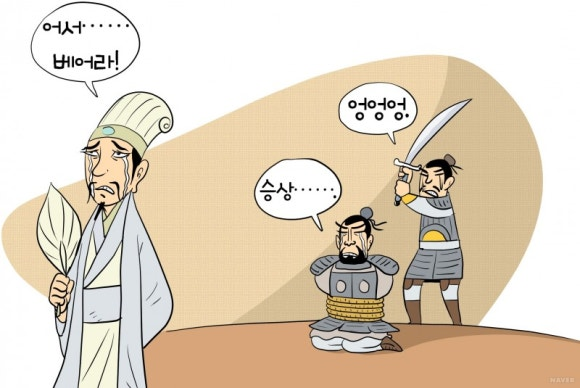
전쟁에서도 성이나 산 위에 고립되어 군수품을 보급 못 받게 되면 싸워 보지도 못하고 참패를 당하게 된다. 삼국지에는 유명한 사자성어인 읍참마속(泣斬馬謖)이란 말이 나온다.
제갈량이 아끼는 제자 마속이 너무 교만하게 적을 얕보고 산 위에 진을 쳤다가, 끝내는 보급로가 차단되어 식량과 물이 떨어지게 되어 대패하였다. 이때 간신히 목숨만 살아온 마속을 군법으로 다스려야 했던 제갈량은 자식처럼 아꼈던 마속을 울면서 참하였다고 해서 읍참마속이란 사자성어가 유래된 것이다.
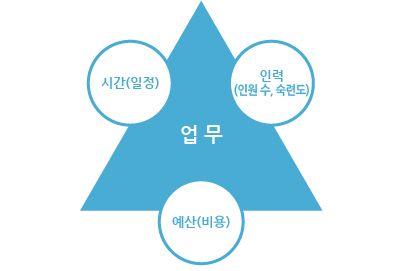
예나 지금이나 누구에게나 자원이 무한정 주어진다면, 우리는 어떤 고민도 필요 없을 것이고 이기기 위한 전략을 짤 필요도 없을 것이다. 우리에게 주어진 주요 자원이란 자금, 물품, 사람, 세 가지를 들 수 있으나, 나는 거기에 하나 더, 시간도 한정된 자원이라고 생각한다.
만약 우리가 평생 죽지 않고 살 수 있다면, 그리고 평생 사용하고도 남을 돈이 있다면, 오늘은 이 사업을 해보고 내일은 저 사업을 해보다, 망하면 또 다른 거를 해보며 살 수 있을 것이다.
그러면 이 세상에는 경쟁이라는 것이 없고 누구도 이기거나 지지 않는 게임을 하는, 어쩌면 지루한 삶의 끝없는 연속이 될지도 모르겠다.
하지만 자원이란 상대적인 것이기 때문에 언제나 한정되어 있을 수밖에 없다. 만약 삼성전자가 골목 전파사와 싸움을 한다면, 전파사 입장에서 삼성전자는 무한한 자원을 가지고 있는 괴물처럼 보이겠지만, 현실은 그렇지 않다.
삼성전자는 스마트폰 시장에서 애플과 싸우고 있고, 반도체 시장에서는 대만의 TSMC 및 미국의 인텔과도 경쟁하고 있다. 이처럼 아무리 큰 회사라 해도 자원은 비슷한 규모의 상대방에 대해 끝도 없이 쏟아 부을 수 없는 한정된 것이다.
그래서 우리는 모든 기회를 다 잡지 못하고, 결국 여러 대안 중 최선의 선택에 집중할 수밖에 없다. 불확실한 환경 속에서 한정된 자원을 가장 중요한 일에 우선적으로 집중하여 남들 보다 경쟁우위를 확보하며, 남 다른 가치를 창출하려고 고민하는 것이 바로 전략인 것이다. 그래서 “선택과 집중”은 바로 모든 전략의 근간이다.
—————–
As discussed in the example of the jewelry company, the ultimate strength of a strategy comes from its ability to be executed. For successful execution, thorough analysis and careful planning must precede.
Strategy is designed not for the present but for an uncertain future. It represents decisions made today concerning dreams, visions, and goals of tomorrow, thus inherently existing along the continuum of risk and uncertainty.
If the future were clear and predictable, outcomes of strategies could be easily assessed based on precise and measurable information. Simply put, if one could accurately foresee which stock would rise or where real estate prices would soar, there would be no one failing to make money or to live well.
However, reality is different. The future is always uncertain, and unless one were divine, predicting outcomes accurately is near impossible. Therefore, in establishing a strategy, one must first be able to predict and assess the degree of uncertainty, the speed of change, and the potential consequences resulting from these factors.
This applies not only to organizations like companies or public institutions but also to individual lives. Just as individuals need dreams and goals, they must also develop life strategies.
As a corporation exists to generate profit, individuals live to pursue happiness, and thus must earn money and save for the future as a fundamental necessity. Whether for corporations or individuals, the desire for success and wealth is universal.
Yet, in preparing for an uncertain future, endless investment is impossible. Resources are always limited.
Even in war, if forces are isolated on a fortress or a mountain without resupply, defeat comes without a fight. The famous Chinese idiom ‘Eupchammasok (泣斬馬謖)’ from The Romance of the Three Kingdoms illustrates this.
Zhuge Liang, deeply fond of his disciple Ma Su, had to execute him under military law after Ma Su, arrogantly underestimating the enemy, stationed his forces atop a mountain and ended up cut off from supplies, leading to catastrophic defeat. Zhuge Liang, though heartbroken, carried out the execution, giving rise to the idiom ‘Eupchammasok’—to enforce discipline even at personal loss.
If unlimited resources were available to everyone, there would be no need for contemplation or strategic planning to win. The main resources granted to us are money, goods, and people, and to these, time must also be considered a finite resource.
If humans could live forever and had inexhaustible wealth, they could attempt various businesses endlessly without fear of failure. Life would become an endless, perhaps tedious, series of ventures without competition or loss.
However, resources are always relative and therefore inevitably limited. For a small local electronics store, Samsung Electronics may seem like a monster with infinite resources. Yet even Samsung faces limitations, competing with Apple in the smartphone market and with TSMC and Intel in semiconductors.
Thus, it is impossible to seize every opportunity, and focus must be placed on selecting the best among various alternatives. Under conditions of uncertainty, prioritizing limited resources on the most critical matters to achieve competitive advantage and create differentiated value is the essence of strategy. Hence, “selection and concentration” forms the foundation of all strategy.