손자병법 시계(始計) 편에는 다음과 같은 말이 나온다.
승병선승(勝兵先勝) 이후구전(而後求戰)
패병선전(敗兵先戰) 이후구승(而後求勝)“이기는 군대는 승리할 상황을 만들어 놓고 전쟁에 임하고, 패하는 군대는 먼저 전쟁을 일으킨 다음 승리를 구한다”
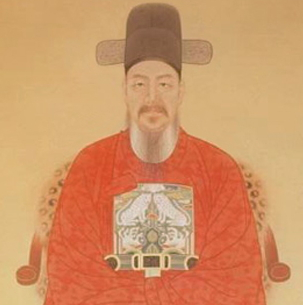
싸움에 임하는데 있어서 사전 전략과 계획이 있고 없음의 차이가 승패를 좌우한다는 말이다. 내 생각에 이런 손자병법의 가장 모범 답안과도 같은 분이 이순신 장군이다.
열악한 환경에서 23전 전승을 이룬 이순신 장군의 신화는 세계 전사에 길이 남을 대 기록이다. 그것도 왜군보다 더 열악한 군력으로 이룬 승리라서 더욱 뜻 깊은 기록이라 할 수 있다.
그런데 그 승리의 비결은 이순신 장군이철저하게 이길 수 있는 싸움만 한 것이기 때문이다. 일본군이 겁쟁이라고 놀리며 다가와도 절대로 이길 수 없다고 판단 되는 싸움은 피했다.
이순신 장군은 한산섬 깊은 밤에도 수루에 홀로 앉아 밤새 깊은 시름을 하며, 지형지물과 바다물길에 유리한 파옥선과 거북선을 이용하여, 철저하게 적을 물리칠 수 있는 치밀한 계획에 의거하여 승리할 수 있는 확신이 있을 때만 싸움에 임하였고, 실제로 모두 이겼다.
그것도 아군은 별로 큰 피해가 없을 정도의 대승들이었다. 철저한 전략과 계획이 만든 놀라운 승리의 결과인 것이다.
역사는 이순신 장군의 전쟁에 대한 결과에만 집중했다. 하지만 이순신 장군이 그 어느 누구보다 유명해질 수 밖에 없었던 이유는 난중일기를 남겼기 때문이다. 그리고 난중일기에는 그가 얼마나 많은 고민과 세밀한 계획을 세웠는지의 과정이 고스란히 담겨 있다.
이순신 장군은 싸움에 이기고 병사들을 죽음에 내몰지 않기 위해 신경쇠약 때문에 잠도 잘 못 자고, 병약하고, 지독히도 고독했던 인물이었다. 그리고 그런 신경쇠약에 걸릴 정도의 걱정이 치밀한 계획으로 재탄생되어 위대한 승리를 장식할 수 있게 된 것이다.
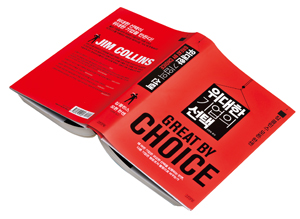
“좋은 기업을 넘어 위대한 기업으로(Good To Great)”의 저자 짐 콜린스는 그 후속편격인 “위대한 기업의 선택(Great By Choice)”이란 저서를 출간한 바가 있다. 이 책은 많은 회사를 추적하여 실제 데이터를 기반으로 연구한 결과, 일반 기업과 위대한 기업이 어떤 선택을 하였는지의 차이를 비교하여 설명해주고 있다.
이 책에 의하면 빌 게이츠나 스티브 잡스와 같은 위대한 기업의 CEO는 우리가 생각했던 바와는 달리 신경쇠약에 걸릴 정도의 편집증적인 걱정과 우려를 달고 살았다고 한다. 그들은 물론 혁신적이었다. 하지만 일반 다른 기업들도 마찬가지로 혁신적이었다.
위대한 기업의 CEO가 무엇보다도 다른 점은 편집증적인 걱정이 큰 위기가 닥치기 전에 미리 준비하고 대비했다는 것이다. 그리하여 거대한 경제적 위기로 다른 기업들이 휘청일 때, 그들은 반대로 성장의 도약을 삼을 수 있었다는 점에 주목할 필요가 있다. 지금 이 시대의 위대한 기업의 CEO들은 500년 전 우리나라를 구한 이순신 장군과 같은 시름에 잠못들며, 철저한 목표와 계획에 의해 이길 수 있는 싸움을 하고 있는 것이다.
—————-
In the Initial Estimations (始計, Shiji) chapter of The Art of War, Sun Tzu writes:
勝兵先勝 而後求戰 (An army destined to win first secures victory before seeking battle),
敗兵先戰 而後求勝 (An army destined to lose first fights and then seeks to win).
This means that victorious armies enter the battlefield only after creating conditions that guarantee success, whereas defeated armies recklessly rush into battle and only then hope for victory. The difference lies in whether there is sound strategy and preparation in advance. To me, Admiral Yi Sun-sin is the greatest embodiment of this principle.
Despite operating under desperate conditions, Admiral Yi achieved an unbroken record of 23 naval victories, a feat unparalleled in world military history. His forces were far weaker than those of the Japanese, which makes his victories all the more remarkable.
The secret lay in his discipline: he fought only battles he could win. Even when provoked and mocked as a coward by the Japanese, he avoided combat if he judged that conditions were not favorable.
Yi spent countless nights alone in the command pavilion at Hansan Island, brooding over strategies. He analyzed terrain, sea routes, currents, and tides, and leveraged the strengths of the panokseon and geobukseon warships. Only when he had a meticulous plan that assured victory with minimal casualties did he engage in battle. The results were resounding triumphs with negligible losses—victories born from strategy and planning.
History often emphasizes Yi Sun-sin’s victories, but what truly immortalized him was Nanjung Ilgi (The War Diary of Admiral Yi Sun-sin). In its pages we see the process—his tireless worry, his painstaking preparation, and his detailed planning. Yi was frail, often sleepless, tormented by anxiety, and profoundly lonely. Yet it was precisely this obsessive concern, bordering on nervous exhaustion, that transformed into rigorous strategy and produced astonishing victories.
Jim Collins, in his book Great by Choice—a sequel to Good to Great—studied companies over long periods using real data to determine what separates great companies from merely good ones. Surprisingly, he found that legendary CEOs like Bill Gates and Steve Jobs were not carefree visionaries, but rather individuals plagued by constant, almost paranoid worry.
Like other companies, theirs were innovative. But what set them apart was how they anticipated crises before they arrived and prepared meticulously. When economic disasters struck and competitors stumbled, these leaders turned turmoil into leaps forward.
This parallel is striking: the greatest CEOs of our age resemble Admiral Yi Sun-sin from 500 years ago. Sleepless, burdened with obsessive concerns, yet guided by precise goals and deliberate plans, they fought only the battles they were certain to win—and in doing so, they secured lasting greatness.