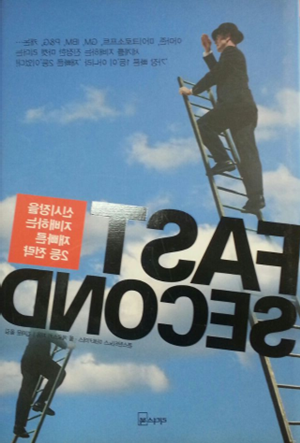
우리가 선택한 중국 사업 전략의 근간은 “Fast Second, 재빠른 2등 전략”이다. 지금까지 마케팅의 화두는 블루오션이나 선도자의 법칙이었다. 즉, 새로운 시장에 맨 먼저 진입하는 기업이 확실한 경쟁 우위를 누릴 수 있다는 것이다.
1970년대 이후 이런 논리는 지금까지 가장 보편된 마케팅 전략으로 인식되어 왔으며, 실제로 제대로 작용해왔다. 최초라는 닉네임은 소비자의 마인드에 강하게 브랜드를 뿌리 내려, 후에 나오는 후발 주자의 추격을 강하게 거부하게 하였다. 지금도 코카콜라, 크리넥스, 스카치테입, 박카스, 애플 등 최초의 브랜드는 아직도 시장을 달리는 가장 앞선 경주마로 존재하고 있다.
그러나 21세기, 아무도 예측 불가능할 정도로 급변하는 시장이 도래하면서, 이것이 꼭 정답만은 아니라는 생각이 나타나기 시작했다. 이제는 빨리 움직이는 싸움이 아니라 진정으로 고객의 니즈를 찾아 최적의 시기에 움직이는 것이 더 유리할 수가 있다는 것이다. 한마디로 속도의 싸움이 아닌 진정한 서비스와 가치를 제공하는 밀도의 싸움이 시작된 것이다.
게다가 선도자는 무척 힘들다. 신시장을 창출하며 처음에 겪는 시행착오를 극복하고 견뎌내야만 한다. 게다가 이제 좀 잘 되는가 싶으면 경쟁자들이 나타나기 시작한다. 또 다른 차별화로 무장하여 시장 구석구석을 갉아 먹는 경쟁자들로부터 시장을 모두 방어할 수는 없다. 할 수 없이 한쪽 구석퉁이라도 조금 내주어야 하지만, 자칫 방심했다간 시장의 반 이상을 빼앗길 수도 있다. 그래서 선도자의 전략은 막대한 자금력을 보유한 큰 회사가 아니면 하기 힘든 전략이기도 하다.
따라서 Fast Second이어야 한다. 영원한 2등이 아니라 빠르게 시장을 지배하는 2등 전략인 것이다. 이미 1등이 미리 해놓은 것을 집중 분석하여 그들이 겪었던 시행착오를 겪는 시간과 비용을 절감하고, 마치 이미 써있는 답안지를 보며 시험치는 학생처럼 문제를 풀어 나갈 수가 있는 것이다.
그러나 남의 답 그대로 베껴서는 1등을 뛰어 넘을 수가 없다. 자기다움이 있는 차별화로 무장한 2등이 되어, 1등이 가지고 있던 문제점들을 빠르게 해결하고 소비자를 만족시켜 시장을 확산해 나가는 것이 바로 재빠른 2등 전략인 것이다.
한국의 화장품 시장에서도 초저가 화장품 시장을 개척한 미샤를 따라, 재빠른 2등 전략을 구사한 페이스샵은 미샤와는 차별화된 자연주의를 표방하며 국내 최고의 브랜드샵에 등극하여 LG생활건강에 고가로 팔렸다. 나는 이것이 바로 Fast Second 전략의 가장 큰 성공사례라 생각한다.
한편, 이미 20년 전부터 중국진출을 시도해온 국내 굴지의 화장품 회사들은 태평양 아모레를 제외하곤 여전히 제대로 자리를 잡지 못하고 있다. LG생활건강도 많은 노력과 투자를 했지만, 고가의 한방 화장품인 ‘후’를 제외하곤 중국 주요 백화점에서 고전을 면치 못하고 있는 형편이다.
물론 아모레 또한 20년이 넘는 노력에 비하면 만족할 만한 성과는 아니라 생각하며, 대기업이 아닌 전문 중견 화장품 회사들은 이미 10년 전에 중국에서 참패를 겪고 수 십억의 수업료만 털리고 중국시장에선 전혀 존재감을 찾을 수가 없다.
바로 그들의 경쟁자들이 다름 아닌 세계적으로 유명한 다국적회사들의 유명 브랜드들이기 때문이다. 이미 중국 대도시 주요 백화점과 쇼핑몰을 장악하고 있는 외국 브랜드들은 최근 한류열풍이 불기 전까진 한국산 브랜드들이 경쟁하기엔 버거운 상대였다.
중국은 도시 경제규모에 따라 1선, 2선, 3선, 4선 도시 등으로 구분하고 있는데, 1선 도시인 일반적으로 잘 알려져 있는 베이징, 상하이, 광저우, 션전, 티엔진 등의 대도시 주요 상권에서의 한국화장품의 경쟁상대는 중국회사 보다 더 강한 세계적인 유명 브랜드이기 때문이다.
그런 점에서 우리는 중국에 20여 년 전에 들어가 성공적으로 자리를 잡은 S화장품 회사에 주목하였다. S사는 국내에선 전혀 알려지지도 않은 중국에서 토착화된 한국 화장품회사이다.
원래는 국내 N화장품회사의 중국 파트너로 사업을 시작했다가, N사가 사업을 접고 돌아가자 스스로 브랜드를 개발하여 사업을 시작한 이 회사는 강력한 브랜드 파워를 가지고 있는 경쟁자들을 피해 그때만 해도 아직 화장품을 바르는 것조차 잘 몰랐던 중국의 3~4선급 시골 마을로 진입하였다.
20년 전 S사는 농촌과 어촌의 작은 마을 사람들에게 왜 화장품을 사용해야 하는지를 깨우쳐 주는 일부터 시작하였다. 바로 우리나라 새마을 운동처럼 화장품에 대한 계몽운동을 전개한 것이다.
그리고 그들은 당시 농촌의 여인들이 한달 동안 뼈빠지게 일해서 벌 수 있는 돈이 고작 500~600위엔 정도뿐이 되지 않았던 시절, 화장품 방문판매를 하면 1천위엔을 넘게 벌 수도 있고, 나중에 더욱 성공한 사람들은 집도 사게 된다는 중국 여성들의 성공비젼을 제시하였다. 그렇게 해서 20여 년이 지난 지금 그들은 중국에서 상당히 성공을 한 알짜배기 화장품회사로 자리잡게 되었다.
다음으로 들여다 본 것이 W사였다. 지금이야 한국에도 W사 제품이 출시 되고 있지만, W사는 오래 전 계열사였던 K화장품회사를 매각하면서 한국에서 10년간 화장품 사업을 하지 않기로 계약을 했었기 때문에, 바로 중국으로 눈을 돌렸다. 그러나 다른 화장품회사처럼 근 5년을 적자만 보며 큰 실패를 한 W사는 뒤늦게 S사의 사업방식을 벤치마킹하여 크게 성장하게 되었다. 그나마 본사의 막강한 자금력이 있어서 이도 가능한 일이었다.
이미 20년 전에, 10년 전에 중국에서 사업을 시작한 많은 유명한 한국 화장품회사들이 중도 탈락했음에도 불구하고, 한국에는 알려지지도 않은 이 두 회사가 중국에서 알짜배기 화장품회사로 성장한 성공요인은 과연 무엇일까? 우리는 바로 이점에 주목하였다. 그것은 바로 강한 경쟁을 피해 무주공산 같은 작은 시장으로 들어갔다는 것이다. 이 모든 것이 가능했던 이유는 23개성 중국 전역이 화장품시장에 있어서는 아직도 무한한 가능성의 미개척지였기 때문이다.
유명 백화점도, 멋진 쇼핑몰도, 심지어는 잘 꾸며진 화장품 매장도 아니었다. 때론 미장원 한 구석이거나 여성 의류점, 사우나 진열장, 구멍가게 선반 한 쪽을 차지하기도 하였고, 심지어는 집안 한구석에 진열장 하나 넣고 판매하기도 하였다. 동네 구석구석 작은 매장에 화장품을 올려 놓을 수만 있다면 다 집어 넣은 것이다. 이는 또한 중국 농촌, 어촌의 저렴한 인력이 있었기에 가능했던 일이기도 했다.
그리고 우리회사가 세 번째로 같은 방법으로 같은 시장을 노크하려 한 것이다. 단, S사가 20년에 걸려 쌓아 온 문제점을 인식하고, 또 이를 보완한 W사의 장점을 흡수하는 한편, 단점을 보완하는 영업전략과 제품 차별화 전략이 필요하였다. 그 첫 시작을 위한 구상이 바로 제품으로는 희란이고 중국 영업으로는 리화화장품이었던 것이다.
그렇게 나는 어떤 운명에 등 떠밀려 인생에 계획도 없었던 중국으로 떠났다. 그러나 막상 중국에서의 한 달은 내 생각과는 전혀 딴판이었으며, 한국에서 희란을 수입하는 것도 난관에 봉착하였다. 이제는 사업계획이고 뭐고 다 필요가 없게 되었다. 현실은 언제나 그렇게 호락호락하지 않게 나를 비웃었고, 운명은 나를 더 가혹하게 채찍질만 하는 것만 같았다. 이제 내가 할 수 있는 것은 일단 해보는 것이었다. 무조건 해보고 깨우치고, 해보며 바꿔 나가고, 해보면서 이루어낼 수 밖에 없었던 것이다. – 계속 –
————————————–
The foundation of our business strategy in China was “Fast Second.” Until now, marketing discourse had revolved around Blue Ocean or the Law of the Pioneer, which asserted that companies entering new markets first would secure a decisive competitive advantage.
Since the 1970s, this logic has been the most widely accepted marketing strategy, and in practice, it often worked. The title of being the first strongly implanted the brand in consumers’ minds, making them resistant to latecomers. Coca-Cola, Kleenex, Scotch Tape, Bacchus, and Apple are still at the forefront of their markets as pioneering brands.
But in the 21st century, with markets shifting unpredictably, this is no longer always the answer. The new advantage lies not in moving first, but in meeting true customer needs at the optimal moment. It is no longer simply a race of speed, but a battle of density—delivering real service and value.
Moreover, being the pioneer is grueling. They must endure trial and error while creating new markets, and just when they begin to succeed, competitors emerge, chipping away at their position with differentiated strategies. No pioneer can defend every corner of the market, and one careless slip can cost them half their share. Thus, the pioneer’s strategy is one only large corporations with vast financial resources can afford.
This is why we chose Fast Second—not permanent second place, but a strategy of quickly seizing control as the agile number two. By carefully analyzing the first mover, we could avoid their mistakes and costs, much like a student taking an exam after peeking at the answer sheet.
But copying answers alone cannot surpass the leader. A Fast Second must add unique differentiation, addressing the first mover’s weaknesses, satisfying consumers more effectively, and thereby expanding the market.
In Korea’s cosmetics market, Missha pioneered the ultra-low-cost cosmetics segment, but it was The Face Shop, a Fast Second, that emerged as the top brand shop by differentiating itself with a naturalism concept. It was later sold to LG Household & Health Care for a high price. I consider this the most successful Fast Second case.
Meanwhile, Korea’s major cosmetic companies had tried for two decades to enter China, but aside from Amorepacific, none truly secured a foothold. Even LG Household & Health Care struggled in major Chinese department stores, except for its luxury brand Whoo. Amorepacific’s results were also underwhelming compared to its decades-long efforts. For mid-sized firms, China had been a graveyard—many lost billions in tuition fees and vanished without presence.
Their rivals, of course, were global multinationals dominating China’s major department stores and malls. Competing with them in first-tier cities like Beijing, Shanghai, Guangzhou, Shenzhen, and Tianjin was far tougher than battling local Chinese firms.
That’s why we turned our attention to Company S, a little-known Korean cosmetics firm that had successfully localized in China 20 years earlier. Originally a local partner of Company N, it launched its own brand after N withdrew. To avoid direct clashes with powerful brands, S penetrated third- and fourth-tier rural markets, where consumers barely even knew about cosmetics.
Two decades ago, S began by educating rural women on why cosmetics were necessary, almost like Korea’s Saemaul Movement. They offered a vision of success—while rural women earned only 500–600 yuan a month, cosmetics sales could bring in over 1,000 yuan, and some even went on to buy homes. Today, S stands as a profitable, entrenched player in China.
Then there was Company W. Although it now sells in Korea, W had agreed not to do cosmetics domestically for 10 years after selling its affiliate K. It turned to China instead, where it initially suffered five years of heavy losses. But by benchmarking S’s rural penetration model—and leveraging its parent company’s capital power—W eventually grew substantially.
Despite many famous Korean brands having failed in China, these two relatively unknown companies thrived. Their key? Avoiding brutal head-to-head competition by entering underdeveloped, unclaimed markets. China, with 23 provinces, was still full of untapped potential.
It wasn’t about fancy malls or luxury counters. Cosmetics were sold in beauty salons, women’s clothing shops, sauna displays, small convenience stores, even from shelves in people’s homes. With cheap rural labor, distribution was possible anywhere.
Our company’s third move was to follow this path—learning from S’s strengths and weaknesses, adopting W’s improvements, and adding our own differentiated products and sales strategies. The first step was Hiran for products, and Lihua Cosmetics for distribution.
And so, fate pushed me to China, a place I had never planned for. But my month there was nothing like I had imagined. Importing Hiran from Korea proved far more difficult than expected. Business plans no longer mattered—reality mocked me, and fate seemed to whip me harder. All I could do was try. Try, learn, adapt, and change through action. That was the only way forward. – To be continued –