나중에 통역을 통해 자초지정을 들어 보니, 이벤트 회사는 이 정도까지 했으면 됐다는 주장으로, 우리가 너무 까다롭게 한다는 것이었다. 나는 밤을 새워서라도 완벽한 준비를 하려고 했지만, 그들은 이만하면 충분하니 이제 더 늦은 시간까지 일하지 못하겠다는 주장을 하며 막무가내로 돌아가 버린 것이다.
나는 중국에 와서부터 이런 식으로 일을 하는 사람들 때문에 참으로 답답하였다. 이것은 뿌리깊은 중국의 ‘만만디(漫漫地, 천천히) 문화와도 연관되어 있다. 한국과는 달리 지금은 어찌 됐든 나중에 대충 잘 되기만 하면 되는 것 아니냐는 식의 생각과 행동들이다.
이와 관련해서 중국인들이 가장 많이 쓰는 말 중에 차부두어(差不多, 차부다)와 마샹(马上, 마상)이란 말이 있는데, 나는 중국인들의 이런 말과 생각들 때문에 중국제품의 품질 수준이 뭔가 항상 부족한 게 아닌가 싶었다.
차부두어(差不多)는 한자 그대로 해석하면 차이가 많지 않다는 뜻이다. 즉, 그 정도 해도 별 차이 없으면 됐다는 것이다. 한마디로 그게 그거니 대충 넘어가자는 말이다. 많은 업무나 일상에서 심지어는 중요한 거래에서도 이 차부두어란 말은 심심치 않게 쓰여지고 있다.
그래서 차부두어란 말은 범위를 가늠하기가 쉽지가 않다. 물건의 품질이 기준 이하여도 그들은 차부두어라고 말한다. 지난 번 광저우에 색조용기를 찾으러 갔을 때에도 품질에 대한 나의 세밀한 기준도 적당주의를 대표하는 차부두어란 단어 하나에 대충 넘어가고 말았다.
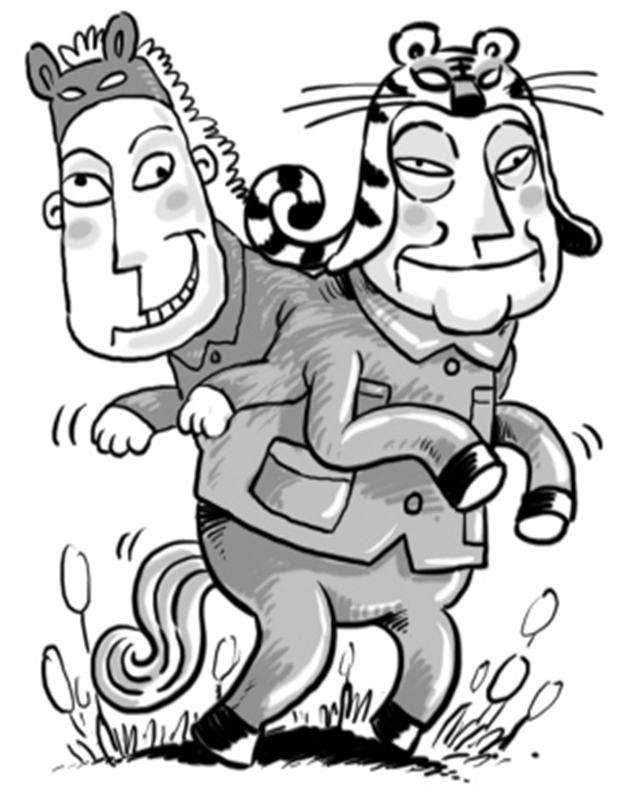
오죽이나 답답하였으면 중국 현대문학의 창시자라 불리우는 후스(胡適, 호적)도 ‘차부두어선생전(差不多先生傳)’이란 글을 써서, 같은 중국인으로서 차부두어 문화를 신랄하게 풍자하기도 하였다. 그 글을 간단하게 요약해서 소개해 본다.
당신은 중국에서 가장 유명한 사람이 누군지 아는가?
그 사람은 모든 사람들에게 잘 알려져 있고, 어느 곳에나 이름이 나있는 사람으로서, 성은 差(차)이고, 이름은 不多(부두어)이다. 그는 각 성, 각 현, 각 촌에 모두 존재하고 있으므로, 당신은 반드시 그를 만난 경험이 있을 것이며, 반드시 그의 이름을 들어 보았을 것이다. 왜냐하면 그는 매일 우리의 대화에 나오는 중국의 대표적인 인물이기 때문이다.
그가 어렸을 적에 그의 엄마는 그에게 흑설탕을 사오라고 했었다. 근데 그가 사온 건 백설탕이었기 때문에, 어머니는 그를 나무랐다. 그러나 그는 고개를 저으며 말했다.
“백설탕이든 흑설탕이든 설탕이면 대충 비슷한 거(차부두어) 아닌가요?”
어느 날 그는 한 중요한 일로 인해 열차를 타고 상하이까지 가야만 했다. 만만디(漫漫地)한 그는 여유만만하게 역에 당도하여, 그만 아슬아슬하게 2분여 늦는 바람에 열차를 놓치고 말았다. 그는 멀리 사라지고 있는 열차가 내뿜는 연기를 바라보며, 머리를 저으며 말했다.
“어쩔 수 없이 내일 가야 되겠군. 오늘 가든 내일 가든 뭐 차부두어니까~!”
그러나 그는 마음 속으로 이해할 수 없었다. 어째서 열차가 고작 2분을 기다리지 않은 건지…
그러던 어느 날, 갑자기 그가 심각한 병을 얻게 되자, 가족들은 서둘러 동쪽에 사는 의사인 왕선생의 집으로 향하였다. 그러나 아무리 찾아봐도 쉽게 왕선생을 찾을 수가 없게 되자, 가족들은 동쪽의 의사인 왕선생이 아니라, 서쪽의 수의사인 왕선생을 데려왔다. 차부두어 선생은 침대에 누워서, 가족이 의사를 잘못 모셔온 것을 알았지만, 마음속으로 이렇게 생각했다.
“동쪽의 왕의사나 서쪽 수의사인 왕의사나 차부두어니, 그냥 치료해달라고 해야겠다.”
그래서 수의사인 왕의사가 그를 소를 치료하는 방법으로 치료했다. 하지만 치료한 지 한 시간도 지나지 않아, 차부두어 선생은 그만 숨을 거두고 말았다. 그때 그는 유언으로 명언을 남기고 죽었다.
“산 사람이나 죽은 사람이나 차… 차… 차부두어이니, 모든 일이 대충해도 잘 될텐데… 구태여… 그렇게… 꼭 정확할 필요가… 있겠는가?”
사람들은 죽은 뒤 더 유명하게 된 그의 한결같은 마음을 칭찬하였다. 사람들은 모두 그 의사를 탓하지 않았고, 정확한 계산이나 계획 등을 따르지 않으려고 한 그가 덕행을 실현한 사람이라고 칭송했다. 후에도 그의 명성은 널리 계속 퍼져, 헤아릴 수도 없는 무수히 많은 사람들이 그를 모범으로 삼아 따랐다.
그래서 지금까지도 중국 사람들 모두가 차부두어 선생이 되었다. 그러니 매사에 철저하고 정확하게 일을 하려는 한국인들이 이런 중국인들과 일을 하게 되면 얼마나 갑갑한 일이 아니겠는가? 때로는 요금을 물어도 애매하게 ’10위엔 차부두어’, 길을 가다가 거리가 얼마나 남았는가를 물어도 ‘1km 차부두어’이다.
그러나 주의할 점이 있으니, 결정적인 부분에서 그들에게 유리하게 해석되어 본인이 이미 그때 정확히 말하지 않았느냐며 억지를 부릴 수도 있으니, 매사에 정확하게 따지고 넘어가야 함을 각별히 유념해야 한다.
– 계속 –
———————–
Afterwards, through interpretation I learned the whole story: the event company insisted they had already done enough and that we were being too picky. I wanted to work through the night to achieve perfect preparation, but they insisted this was sufficient and refused to work any later, leaving abruptly.
Since coming to China, I have been frustrated by people who work this way. This attitude is connected to China’s deeply rooted “manman di (漫慢地 / 漫漫地, take it slowly) culture.” Unlike Korea, there is a prevalent mindset of “it’ll be fine later as long as it’s roughly okay now,” and that thinking shows up in actions.
Related to this, two of the most commonly used Chinese expressions are “chabuduo (差不多, cha bu duo)” and “mashang (马上, ma shang),” and I believe these phrases and the associated mindset help explain why Chinese-made products often fall short in quality.
Chabuduo (差不多) literally means “not much difference.” In other words, “that level is close enough, no big deal.” It implies “let’s pass over this roughly” — a casual, tolerant approach used frequently in work and everyday life, even in important business transactions.
Because of this, the scope of “chabuduo” is hard to gauge. Even when product quality falls below standard, they call it chabuduo. When I went to Guangzhou previously searching for color cosmetic containers, my detailed quality criteria were swept aside with this easygoing “chabuduo” attitude.
It’s so exasperating that Hu Shi (胡適, Hu Shi), regarded as a founder of modern Chinese literature, satirized the chabuduo culture in a story titled “The Story of Mr. Chabuduo (差不多先生傳).” I will briefly summarize that story here.
Do you know who the most famous person in China is?
He is known to everyone and his name appears everywhere. His surname is 差 (Cha) and his given name is 不多 (Bu-duo). He exists in every province, county, and village, so you have certainly met him and heard his name many times. He is a representative figure in our daily conversation.
When he was young, his mother asked him to buy brown sugar, but he returned with white sugar, so his mother scolded him. He shook his head and said, “Whether it’s white sugar or brown sugar, sugar is sugar—aren’t they roughly the same (chabuduo)?”
One day he needed to take an important train to Shanghai. Because of his manman di (漫漫地) nature, he leisurely arrived at the station and missed the train by about two minutes. Watching the departing train’s smoke fade away, he shook his head and said, “I’ll have to go tomorrow then. Whether I go today or tomorrow, it’s chabuduo!” Yet he could not understand why the train wouldn’t wait even two minutes.
Later, he suddenly became gravely ill. His family hurried to fetch Doctor Wang, an eastern physician, but they could not find him. Instead, they brought Doctor Wang, a veterinarian from the west. Lying in bed, Mr. Chabuduo realized they had brought the wrong Doctor Wang, but in his mind he thought, “Doctor Wang in the east or Doctor Wang in the west is chabuduo—just treat me.”
So the veterinarian treated him using methods for treating cattle. Not even an hour after the treatment, Mr. Chabuduo died. In his final words he left a famous maxim:
“Whether alive or dead, it’s all ch—ch—chabuduo, so everything should turn out fine if handled roughly… Is it really necessary to be so precise?”
People praised his consistently indifferent mindset after his death. They did not blame the veterinarian; instead they applauded his disdain for exact calculations and planning, hailing him as someone who had realized virtue. His fame spread widely thereafter, and countless people took him as a model.
Thus, even now, all Chinese people have become like Mr. Chabuduo. So imagine how frustrating it must be for meticulous, precise Koreans to work with such people. Sometimes when you ask for a fare, the answer is vaguely “10 yuan, chabuduo”; if you ask the remaining distance while walking, you get “about 1 km, chabuduo.”
One caveat: when things become critical, they may opportunistically interpret matters in their favor and claim you didn’t ask for precision at the time. Therefore, be especially careful to insist on exactness in all matters. – To be continued –