그래서 그는 영업부에서 만큼은 그 어느 누구에게도 뒤지고 싶지 않았다. 만 3 년동안 주말도 쉬지 않고 밤낮으로 온 몸을 바친 결과 남다른 성과도 올렸으며, 선배 및 동기들과 어려움을 극복했던 노력과 경험, 그리고 목표를 달성했을 때의 희열과 성취감 등이 그를 어느새 열정적인 영업사원으로 변신시켰다.
무엇보다도 그는 영업을 하며, 잘 몰랐던 거래관계에 대한 다양한 지식을 쌓고, 가장 큰 자산이라 할 수 있는 여러 사람들을 만나 인적관계를 두텁게 할 수 있어 영업이 점점 더 좋아졌다. 이렇게 그는 자기도 모르게 영업이 바로 자신의 천직이라고 생각하게 되어, 앞으로도 계속 전문 프로 세일즈맨으로 성공하고, 언젠가는 돈을 모아 조그만 사업체를 운영하는 꿈도 꾸게 되었다.
그러던 어느 날, 그는 직장상사인 허지점장과의 말다툼 끝에, 참을 수 없는 젊은 혈기로 사표를 내던지고 말았다. 그러나 그건 일순간의 섣부른 감정이 아니었다. 대기업 조직의 수직적 명령체계와 상급자의 개인적이고 부당한 요구에 대한 누적된 항변이었다. 그러나 그것은 그의 인생에 돌이킬 수 없는 후회로 여전히 마음 한 구석에 지울 수 없는 자욱이 되어 남아있었다.
그 후 백수시절의 방황이 6개월 간이나 지속 됐다. 그는 차라리 재취업보다 학창시절 하려다 말았던 대학원에 다시 진학해보려고 도서관에서 토플공부를 파고들기도 하였지만, 3년간 영업부 생활의 경험이 그를 도서관 한 모퉁이에 가만히 앉아만 있도록 하지 못하게 하였다.
그는 다시 생각을 바꿔 진학보다 IT라는 새로운 변화에 도전하기 위해, 퇴직금을 탈탈 털어 최신형 노트북 PC를 구입하고 컴퓨터 랭귀지 학원도 다니며 새로운 돌파구를 모색하였지만, 직장을 재취업하는 건 그리 쉽지가 않았다. 그렇게 때론 술을 마시며 경솔했던 자신에 대해 후회도 하고 신세한탄도 하다가, 술좌석에서 우연히 친구를 통해 대학 경영학과장을 찾아가서 부탁해보라는 말에, 밑져야 본전이라는 생각으로 찾아가 소개받은 화장품 회사가 지금 2년 째 근무하고 있는 이곳인 것이다.
그래도 회사는 대기업 출신인 그를 대리직급으로 우대 채용하여 영업지원부에 배치시켜주었다. 영업지원부는 전국 영업본부 소속이었지만, 직접 영업을 뛰는 곳이 아니라 영업정책을 기획하고 관리하는 곳으로써, 대기업 시절 그의 영업경험이 상당히 도움이 되는 곳이었다. 아무래도 중견기업이라곤 하나 회사의 업무 시스템이나 프로세스는 대기업만 못했기 때문인지, 그는 남들과 다른 눈으로 회사의 문제점을 잡아내며 매우 우수하게 업무를 수행해왔다.
특히 그는 백수시절 배웠던 컴퓨터 스킬과 프로그래밍 실력으로 대리점 관리의 병목현상과도 같은 재고관리업무를 데이터베이스로 직접 프로그래밍하여 혁신적으로 업무개선을 이루었으며, 장려금 제도 및 판촉 정책 등의 각종 영업전략을 수립하여 업지원부에서는 없어서는 안될 존재로 자리잡게 되었다.
하지만 그의 이 모든 노력은 회사 차원에서 어떠한 지원도 받지 못하고, 순수하게 업무를 개선하고자 하는 개인적인 노력으로 머물러야만 했다. 그는 전산실에 업무개선을 위해 프로그래밍 언어를 구입해달라고 요구했지만, 이는 회사차원의 일이 아니라 사적인 일이라고 거절을 당하자, 개인 돈으로 소프트웨어를 사서 퇴근 후에도 밤새도록 프로그래밍을 할 정도로 열성적이었다.
또한 그는 영업지원부와 업무적으로 관련된 사업개발부나 마케팅부의 업무협조 상의 문제점이나 개선안들을 수 차례 제안도 하였지만, 이런 그의 의견들은 철저히 무시되기가 십상이었다. 이런 점들 때문에 그는 다른 부서의 협조보다는 뭐든지 영업본부 내에서 일을 해결하려고 하였고, 점점 다른 부서 사람들에겐 매우 냉소적인 사람으로 보여지게 되었는데, 그런 악연이 인연이 되었는지 원수 같은 마케팅부로 이동하게 되었으니, 이번 이동발령은 그에게 있어서 걱정할만한 큰 사건인 것이다.
“이번 정거장은 , 가라뫼, 가라뫼입니다. 다음은….”
버스에서 나오는 안내 방송 소리에 깜짝 놀라며 잠에서 깨어난 그는 여기가 어딘가 하며 차창 밖을 두리번거렸다. 집까지는 아직 몇 정거장이 더 남았다. 잠시 졸았기 때문인지, 살짝 열어둔 창 틈 사이로 들어오는 바람에 문득 한기가 느껴져 왔다. 그는 얼른 창문을 닫으며, 다시 한번 숨을 길게 내쉬었다. 마치 오랜 꿈에서 깨어난 듯 지난 시간이 아득하게만 느껴졌다. 멀미에 뒤틀렸던 속도 조금은 가라앉은 것 같았다. 그러자 비로소 눈 앞에 펼쳐진 현실이 다시 한번 느껴지기 시작하였다.
‘다음 주부터는 마케팅부에서 일해야 하는데…, 어쩌지?’
그는 자신이 아무런 준비가 되어있지 않다는 생각이 들자, 문득 뭐라도 하나 해야겠다는 심정에 집보다 몇 정거장 떨어진 화정역 앞에서 얼른 내려, 동네 비교적 큰 서점으로 달려갔다. 마케팅 책이라도 한 권 사야겠다는 생각이 간절하였다.
마케팅, 브랜드, 전략, 포지셔닝, 기획 등 마케팅 용어로 치장된 수 많은 책들이 넓은 코너를 장식하고 있었다. 한 순간 무엇을 골라야 할지 몰라 난감해 하며, 한편으론 그 동안 너무 책을 읽지 않은 자신을 반성하며, 그는 부끄러운 표정으로 카운터로 다가갔다.
“요즘 잘나가는 마케팅 서적 중에 읽을만한 것 좀 있을까요?”
여종업원은 기계적으로 컴퓨터 키보드를 달그닥거리더니만 몇 권의 책 제목들을 쪽지에 적어 주었다. 그는 책들을 하나씩 찾아서 목차들을 읽어봤다. 대학 때 배웠던 기억이 책 속에서 살아 움직이는 것 같기도 하고, 전혀 모르는 말들이 조롱하듯이 혼란스럽게 엮여 있는 것 같기도 했다. 그는 일단 가장 두꺼운 책 한 권과 가장 얇은 책 한 권을 선택했다.
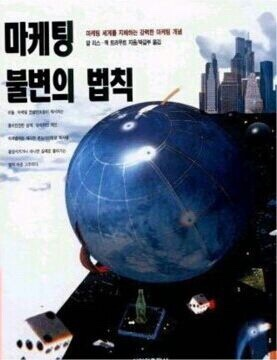
하나는 ‘마케팅 원론’으로써, 교과서 같이 두꺼우며 저자가 학창시절에도 들어온 꽤 유명한 사람 같았으며, 다른 하나는 제목부터 인상적인 ‘마케팅 불변의 법칙’이란 것인데, 무엇보다도 얇은 것이 빨리 읽을 수 있을 것 같아 좋아 보였다. 그때까지만 해도 신대리는 지금 선택한 책들의 저자들인 필립 코틀러, 잭 트라우트와 알 리스가 그의 마케팅 인생에 매우 중요한 영향력을 발휘하게 될 인물들로써, 향후 자신이 그들의 거의 모든 책들을 섭렵하게 될 정도로 추종자가 될지는 전혀 몰랐다.
좀 전 차 안에서 멀미를 느꼈는지 입맛이 없었던 그는 혼자 사는 작은 오피스텔까지 몇 정거장을 터벅터벅 걸었다. 아무런 생각도 없었다. 퇴근 후 항상 끼니를 때우는 식당도 그냥 지나쳐 갔다. 그저 빨리 집에 가고 싶을 뿐이었다.
집에 도착한 후 뜨거운 물로 샤워를 하자 멀미로 메슥거렸던 속이 배고품을 호소하기 시작했다. 얼른 라면 하나를 끓여 소주 한 병과 함께 게눈 감추듯 식사를 때우자, 집에 들어올 때 문앞에 내팽겨쳐 버리듯 놔두었던 쇼핑백이 눈에 들어왔다. 그는 문가로 가서 사온 책 중에서 얇은 책 하나를 꺼내 들고 쇼파에 털썩 앉았다. 제일 처음으로 선도자의 법칙이 눈에 들어왔다.
“더 좋은 것보다는 맨 처음이 낫다.”
인류 최초로 달에 첫 발을 디딘 사람은 암스트롱이다. 그러면 두 번째로 간 사람은? 세계에서 제일 높은 산은 에베레스트인데 두 번째는? 최초의 미국 대통령은 와싱톤인데 두 번째 사람은? 대부분의 사람들이 첫 번째는 기억하지만 그 이후는 잘 기억하지 못하므로, 고객의 기억을 지배하는 브랜드는 가장 좋은 브랜드가 아니라 맨 먼저 나온 브랜드이다. 그래서 소비자의 마인드 속에 가장 쉽게 진입하는 방법은 최초가 되는 것이다.
무슨 법칙이라 그래서 따분할 것 같았던 예상과는 달리, 첫 장부터 여러 회사들의 사례를 들어 설명한 내용들이 그가 대학에서 접했던 학문 같았던 마케팅과는 다른 방식이라, 신대리는 책을 읽을 수록 더욱 흥미로움을 느끼며 점점 더 책 속으로 빠져 들어갔다. – 계 속 –
——————-
So, he didn’t want to fall behind anyone in the sales department. For three full years, he worked tirelessly, even on weekends, day and night. His efforts paid off as he achieved exceptional results, and the struggles and experiences he shared with his seniors and peers, along with the joy and sense of accomplishment from reaching his goals, gradually transformed him into a passionate salesperson.
More than anything, he grew to love sales because it allowed him to gain knowledge about various business relationships, which he hadn’t known before. He also built a strong network with many people, which became one of his greatest assets. Over time, he began to believe that sales was truly his calling. He dreamed of becoming a successful professional salesperson and, one day, saving enough money to start his own small business.
Then, one day, after a heated argument with his superior, Manager Huh, he couldn’t hold back his youthful impatience and submitted his resignation. However, it wasn’t just a rash emotional decision. It was the culmination of his frustration with the rigid hierarchical structure of the large corporation and the personal and unfair demands made by his superiors. Still, it became an irreversible regret that lingered in his heart, a scar that he couldn’t erase.
After that, he spent six months drifting aimlessly as an unemployed man. At one point, he considered returning to graduate school, something he had planned but never pursued during his student days, and he buried himself in TOEFL studies at the library. However, the three years of experience in the sales department made it impossible for him to sit quietly in a corner of the library for long.
He changed his mind again, deciding to challenge himself by diving into the new IT field rather than continuing his studies. He used up all his severance pay to buy a new laptop and even enrolled in a computer programming course, searching for a fresh breakthrough. But finding a new job proved difficult. Sometimes, he would drown his regrets in alcohol, lamenting his rash decisions and feeling sorry for himself. During one of these drinking sessions, a friend suggested he approach the head of the business administration department at his university for help. With nothing to lose, he went for it, and that’s how he ended up at the cosmetics company where he had been working for the past two years.
The company had appreciated his background at a major corporation, hiring him as an assistant manager and placing him in the sales support department. Although the sales support department was part of the nationwide sales headquarters, it wasn’t a frontline sales role. Instead, it was a department that planned and managed sales policies, where his previous sales experience proved to be a great asset. While the company was a mid-sized business, its systems and processes weren’t as developed as those of the large company he had worked for before. This allowed him to identify and address the company’s problems from a different perspective, and he performed exceptionally well.
In particular, during his unemployment period, he had picked up computer skills and programming knowledge, which he used to develop a database to solve the bottleneck issue in inventory management for the distributors. This led to a significant improvement in operational efficiency. He also established various sales strategies, such as incentive programs and promotional policies, making him an indispensable part of the sales support department.
However, despite all his efforts, the company provided no formal support. His initiatives were purely driven by his personal desire to improve the workflow. He had requested the IT department to purchase programming software to aid in his work, but when the request was denied, labeled as a personal project rather than a company initiative, he used his own money to buy the software and spent sleepless nights programming.
He had also proposed several ideas to improve the cooperation between the sales support department and the business development and marketing departments. Unfortunately, his suggestions were often ignored. Because of this, he tried to handle everything within the sales headquarters rather than relying on the other departments. Over time, he developed a reputation for being cold and distant among people in other departments. Ironically, this strained relationship seemed to be the reason behind his sudden transfer to the marketing department, making this personnel move a major source of concern for him.
“This stop is Garamoe, Garamoe. Next stop…”
The automated bus announcement startled him awake. He glanced around, disoriented, unsure of where he was. He still had a few stops to go before reaching home. Feeling a chill from the breeze slipping through the slightly open window, he hurriedly closed it, exhaling deeply as if trying to shake off the remnants of a long dream. The nausea that had been twisting his stomach earlier seemed to have subsided a bit. With that, the reality of his situation started to sink in again.
‘Starting next week, I have to work in the marketing department… What am I going to do?’
Realizing that he wasn’t prepared at all, he impulsively decided to get off the bus a few stops early at Hwajeong Station and hurried to the local bookstore. He desperately felt the need to buy a book on marketing.
The marketing section was lined with countless books adorned with words like marketing, brand, strategy, positioning, and planning. Overwhelmed and unsure of which one to choose, he felt a pang of guilt for having neglected reading for so long. Feeling embarrassed, he approached the counter.
“Could you recommend a good marketing book that’s popular these days?”
The shop assistant mechanically clacked away at the keyboard and then handed him a slip of paper with a few book titles on it. He picked them up one by one and skimmed through their tables of contents. Some of the content seemed to revive memories of what he had learned in college, while other unfamiliar terms seemed to mock him with confusion. In the end, he chose one thick book and one thin book.
One was Principles of Marketing, a textbook-style book written by a well-known author he vaguely remembered from his school days. The other was The 22 Immutable Laws of Marketing, a title that caught his attention for being short, which he thought would be quicker to read. At that moment, Shin had no idea that the authors of these books—Philip Kotler, Jack Trout, and Al Ries—would later have such a profound influence on his marketing career, nor that he would go on to devour nearly all of their works.
Still feeling a bit queasy from earlier, Shin decided to walk the remaining distance to his small studio apartment, passing by the restaurant where he usually had dinner after work without stopping. He just wanted to get home quickly.
After taking a hot shower, the nausea gave way to hunger. He quickly boiled some ramen, paired it with a bottle of soju, and wolfed it down. As he sat there, his gaze fell on the shopping bag he had tossed by the door when he came in. He walked over, picked out the thinner book, and collapsed onto the sofa. The first law that caught his eye was The Law of Leadership.
“It’s better to be first than it is to be better.”
The first man to set foot on the moon was Armstrong. Who was the second? The tallest mountain in the world is Everest, but what’s the second tallest? The first president of the United States was Washington, but who was the second? Most people remember the first, but hardly anyone remembers those who follow. So, the brand that dominates the consumer’s mind is not necessarily the best brand but the first one to enter the market. Thus, the easiest way to gain a foothold in the consumer’s mind is to be first.
Contrary to his expectation that this would be another dull business book filled with laws, he found the stories of various companies from the very first chapter refreshing. It was a different approach to marketing from the academic one he had learned in college, and the more he read, the more intrigued he became, sinking deeper into the book.
- To be continued –