중국 법인장으로 있었을 때, 전임 영업책임자의 목적의식도 없이 무계획적인 영업활동 때문에 한순간에 무너진 대리상 조직을 다시 살리기 위해, 나는 영업조직 시스템을 재정비하고, 중국 전역을 누비며 사업자와 직원들 교육에 온 노력을 기울였다.
영업목표와 계획, 그리고 프로세스를 개선하였으며, 사업자들을 목표지향적인 체질로 바꿔 놓는데 온 노력을 쏟아부었다. 나에겐 뚜렷한 목적이 있었기 때문이다. 바로 빤짝 매출이 아니라, 지속적으로 성장 가능한 뿌리가 튼튼하고 단단한 영업조직을 구축하는 것이었다.
근 5개월의 노력 동안 매출은 전혀 신장을 하지 않았다. 대표이사는 왜 아직도 매출이 이 모양이냐고 조급해 하였지만, 나는 조금만 더 기다려 달라고 요청하며, 분명 분위기와 사기는 달라지고 있음을 수 차례 보고하였다.
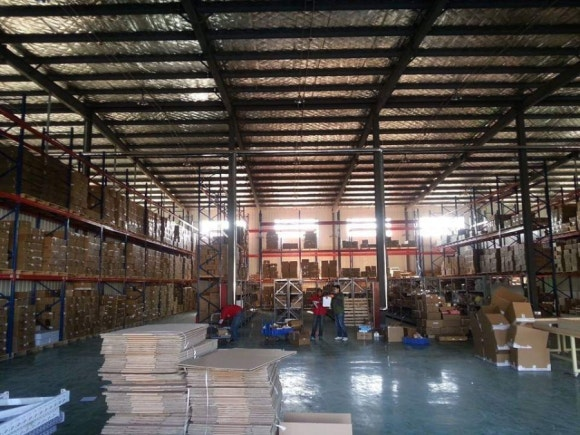
그리고 6개월이 지나자, 놀랍게도 갑자기 매출이 급신장하기 시작했다. 회사의 물류가 따라가질 못할 정도였다. 전 직원이 교대로 물류팀에 투입되어 제품 포장과 배송을 함께 하며, 고생스럽지만 즐거운 비명을 지를 정도였다.
그러나 다들 마음 한 구석에는 예전처럼, 이러다 다음 달에 매출이 뚝 떨어지면 어쩌나 하는 염려도 있었다. 하지만 우려와는 달리 매출은 매월 신장하여, 목표를 매번 100% 이상 달성해 나갈 수 있었다.
그렇게 목적의식이 명확하였기 때문에, 나는 분명 매출이 지속적으로 성장할 것이라는 자신이 있었다. 그래서 이미 회사 자체물류에 문제가 발생할지도 예측할 수 있었고, 3개월 전부터 물류를 CJ대한통운으로 아웃소싱하는 것도 미리 계획하여 진행하였다.
그리하여 바로 다음 달부터는 매출증가에 따른 물류대란을 피할 수 있었고, 매출이 아무리 늘어나도 전 직원이 각자의 일을 전폐하고 물류에 하루 종일 매달려 고생할 이유도 더 이상 없게 되었다.
영화배우 케빈 스페이시는 기자와의 한 인터뷰에서 인간이 가지는 궁극적 보상이란 바로 자기 자신의 목표와 성취에 있다고 하며 뚜렷한 목적의식에 대해 말한 바가 있다.
“저는 젊은이들이 ‘목적의식’ 없이 헤매는 광경을 자주 봅니다. 자신들이 지금 하고 있는 일을 왜 하고 있는지 전혀 모른 채 말이죠. ‘원하고’ ‘야망’을 가지고 그리고 ‘성공을 갈망하는 것’만으로는 충분하지 않아요. 그것들은 ‘욕망’일 뿐입니다.
자신이 원하는 것이 무엇인지 깨닫고 왜 그 일을 하는지 이해하며 자신 안에 존재하는 모든 생명력을 바칠 수 있어야 합니다. 당신이라는 존재의 목적 달성을 위해서 말입니다.”
계획은 목표를 실행에 옮기기 위한 설계도와 같은 것이다. 집을 지을 때 설계도 없이 땅부터 파는 사람은 없다. 아름답고 튼튼한 좋은 집을 짓고 싶은가? 그렇다면 먼저 목적하는 바에 부합되는 설계도를 만들어야 한다. 그리고 설계도는 구체적이고 치밀하며 각 방 구석까지 세세하게 그려져야 한다. 설계도가 바로 집을 짓는 방향을 가르쳐 주는 건설 계획인 것이다.
이처럼 목표를 목적에 맞게 자르고 쪼개어 계획을 세워야 한다. 아무리 큰 목표라도, 아무리 복잡한 문제라도 잘게 쪼개어 하나씩 나누어 계획을 세우면, 행동으로 옮기어 해결할 수 있는 힘이 생기기 때문이다.

—————
When I was the head of the China branch, I had to revive a dealership network that had collapsed in an instant due to my predecessor’s aimless and unplanned sales activities. To rebuild, I reorganized the sales system, traveled across China, and devoted my full effort to training both business partners and employees. I improved sales targets, plans, and processes, while transforming distributors into goal-oriented operators. This was possible because I had a clear sense of purpose: not chasing temporary sales spikes, but building a sales organization with solid and sustainable foundations.
For nearly five months, sales showed no growth at all. The CEO grew impatient, asking why performance was still stagnant. But I repeatedly reported that morale and momentum were changing, and I requested a little more time.
After six months, sales suddenly began to surge. The company’s logistics operations could barely keep up. Every employee, in rotation, had to assist the logistics team with packing and shipping products. Though exhausting, it was a joyful struggle. Yet, in the back of everyone’s mind lingered the fear—what if sales suddenly collapsed next month, just like before? Contrary to such worries, sales continued to grow steadily, surpassing 100% of the targets month after month.
Because my sense of purpose was clear, I was confident that sales growth would be sustained. I could even foresee that internal logistics might eventually become a bottleneck. Therefore, three months earlier, I had already planned and executed an outsourcing arrangement with CJ Logistics. As a result, from the very next month, we avoided a logistics crisis triggered by sales growth, and employees no longer had to abandon their core work to spend entire days struggling in the warehouse.
Actor Kevin Spacey once said in an interview that humanity’s ultimate reward lies in the pursuit and achievement of one’s own goals, stressing the importance of a clear sense of purpose:
“I often see young people drifting without a sense of purpose. They have no idea why they are doing what they are doing. Simply ‘wanting,’ being ‘ambitious,’ or ‘desiring success’ is not enough. These are mere cravings. One must realize what one truly wants, understand why one is doing it, and be willing to dedicate every ounce of one’s life force to achieving it—for the fulfillment of your purpose as a human being.”
Planning is like the blueprint for executing goals. No one starts building a house by digging the ground without first having a design. Do you want to build a beautiful, solid home? Then you must first create a blueprint that aligns with your purpose. That blueprint must be concrete, precise, and detailed—drawn down to every corner of each room. The design itself dictates the direction and structure of construction.
In the same way, goals must be broken down and aligned with their purpose into actionable plans. No matter how large the goal or how complex the challenge, when broken down into smaller, manageable parts, a plan provides the strength to act and the means to solve problems step by step.