

2012년 중국의 최북단 동북3성에 진입하기 위하여 흑룡강성 하얼빈으로 영업팀장을 출장 보낸 적이 있었다. 겨울이면 영하 30도가 넘는 강추위에 폭설 등으로 화장품 유리병은 동파되고 사람도 잘 왕래가 되지 않는 지역이었지만, 그 만큼 피부 보호를 위해 화장품도 필요한 시장이었다.
그래서 춘삼월부터 영업을 시작해야만 다시 돌아오는 겨울을 대비할 수가 있었기 때문에, 중국의 춘절 연휴가 끝나자마자 나는 그쪽 중요 대리상들을 만나도록 한 것이다.
처음엔 동북3성 대리상들이 먼저 우리와 거래하고 싶다고 연락이 온 것이기 때문에, 호박이 덩굴째 들어오는 것이라 생각하고 낙관하였지만, 하얼빈에서 날아온 소식은 그리 좋지가 않았다. 기대와는 달리, 우리가 제시한 거래 조건이 그들에게 썩 만족스럽지 않았는지, 하얼빈에 모인 대리상들은 하루 만에 협상을 결렬하고 자신들의 지역으로 돌아가 버렸다.
나는 그 날 저녁 퇴근 후 집에서 식사한 후에야 비로소 하얼빈으로 출장 간 영업부장으로부터 자초지종을 이메일로 보고 받았다. 그 보고 내용에는 대리상들이 각자 지역으로 돌아갔는데, 본인은 다음 날 청도로 돌아오는 비행기 일정을 취소하고, 하얼빈에서 차로 6시간이나 떨어져 있는 계서라는 곳으로 쫓아 가서 그쪽 대리상들을 직접 만나서 설득 작업을 하겠다는 것이었다.
순간 나는 큰일났구나 하는 생각에 얼른 연락을 취했다. 계서로 가지 말고 원래 일정 대로 청도로 돌아오라고 했지만, 이미 비행기표도 취소하고 다음 날 일정을 모두 약속을 잡아 논 후였다.
나는 지금이라도 늦지 않았으니 약속 취소하고 청도로 돌아오라고 했지만, 영업부장은 본인이 책임지고 최선을 다해 보고 싶다는 강한 의지를 보이며, 나의 의견을 듣지 않고 결국 다음날 이른 새벽에 계서로 떠나버렸다.
그는 영하 30도가 넘는 혹한에도 불구하고 먼 계서까지 가서 우리회사와 거래를 맺게 하기 위하여 최선을 다했고, 그의 말에 의하면 대리상들도 자신의 노력에 감동을 받았다고 했다. 나는 그에게 짧은 답변만을 쓸 수밖에 없었다.
“협상과정은 이미 엎질러진 물이 되었으니,그 감동의 결과가 좋은 성과로 나타나기만을 바랍니다.”


나는 영업부장에게 왜 계서에 가면 안 된다는 것을 충분히 설명했음에도 불구하고, 그는 그 것을 받아들이려 하지 않았다. 내가 영업부장에게 한 말은 다음과 같다.
1)소기의 목적은 일단 우리의 패를 던져 보는 것으로써,이미 목적을 달성했다.
2)우리는 이미 그들에게 패를 다 보여줬다.지금 현재 숨겨 논 다른 패가 없으니 따라 가봤자 헛고생이다.우리가 던진 패를 보고 그들이 어떤 요구를 하는지 일단 기다리며,그들에 대한 대응전략을 수립해야 한다.
3)오히려 우리의 약한 모습을 보면 그들은 우리가 매달리는 줄 알고,더 많은 요구를 할 우려가 있다.따라서 이럴 때는 그들이 없어도 된다는 듯,강하게 표현하며 돌아와야 한다.
4)그들의 요구를 보고 난 후,적절히 대응해도 늦지 않다.
그러면 왜 영업부장은 상사인 내 말을 듣지 않으며 무리 수를 두었을까?
1)본인의 업적을 만들고 싶은 욕심이 과도한 책임감을 주었다.
2) 16년 간 쌓아온 영업의 근성주의를 버리지 못했다.
3) 새로운 대리상들과 처음 거래를 맺으려는 일이 전략적 과정임을 인식하지 못했다.
어쨌든 결국은 결론이 중요하다. 영업부장이 출장결과 가져 온 결론은 우리가 제시한 조건의 2배에 달하는 요구 조건이었다. 이는 우리가 수용할 수 없는 너무도 큰 차이였다.
결정할 권한이 없는 그는 그곳에서 협상조차도 하지 못하고, 회사에 돌아가서 의논해보겠다는 식으로 더 큰 숙제만 안고 돌아와 버렸다. 그 먼 계서를 간 목적과 계획이 없이, 무모한 책임감과 욕심이 오히려 화를 불러낸 것이다.
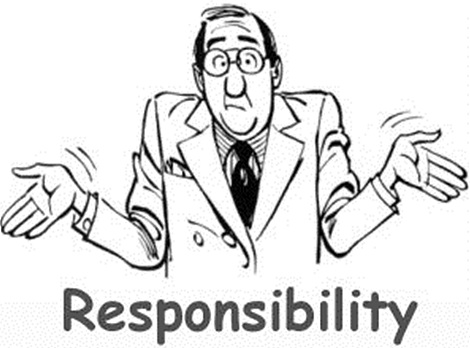
그럼 영업부장은 책임감이 있는 사람일까? 상사의 명령에 불복종하고 아무런 계획과 협상력도 없이, 강한 의지로 무조건 해보겠다는 것은 무책임하고 무모한 행동일 뿐이다. 책임감은 적극적으로 응답하는 능력이다. 응답은 바로 커뮤니케이션과 관련 있다. 상사와 응답하고, 동료와 응답하며, 거래선과 응답하면서 자신의 업무와 역할과 계획에 적극적으로 응답하는 행동이다.
이렇게 응답을 하지 않고 혼자 독불장군처럼 하는 행동은 책임감이 없는 행동이다. 그리고 결국 책임감 없이 스스로만 책임감 있게 행동하여 회사에 손해를 끼친 영업부장은 책임지고 회사를 떠났다. 작은 회사에서 그것도 중국에서 그래도 그 정도 인재도 아쉬웠던 나는 그를 만류하였지만, 그의 뚝심과 고집으로 뭉친 책임감은 이럴 때도 빛을 발해 결국 회사를 떠나 버렸다.

———————–
In 2012, I once sent the head of our sales team on a business trip to Harbin, Heilongjiang Province, to enter China’s northernmost region, the three northeastern provinces. In winter, temperatures there drop below minus 30 degrees Celsius, and with heavy snowfall, glass cosmetic bottles freeze and burst, and people rarely travel.
However, because of the harsh weather, cosmetics were in high demand to protect the skin. Therefore, we had to start sales activities in early spring to prepare for the coming winter. For this reason, as soon as the Chinese New Year holiday ended, I arranged for the sales head to meet key distributors in that region.
At first, I was optimistic because the distributors from the three northeastern provinces had contacted us first, expressing their interest in doing business with us. I thought it was like a golden opportunity falling into our lap. However, the news from Harbin was disappointing. Contrary to our expectations, the distributors seemed unsatisfied with the terms we proposed. The meeting ended in a day, and they all returned to their respective regions, breaking off negotiations.
That evening, after dinner at home, I finally received a detailed email report from the sales head in Harbin. According to his report, the distributors had already left, but he had canceled his return flight to Qingdao and decided instead to travel by car—six hours away—to a place called Jixi to meet the distributors there personally and try to persuade them.
At that moment, I felt alarmed and immediately contacted him. I told him not to go to Jixi and to return to Qingdao as planned. However, he had already canceled his flight and scheduled meetings for the next day. I insisted that it wasn’t too late to cancel those appointments and come back, but he showed a strong will to take full responsibility and give his best, ignoring my advice and leaving for Jixi early the next morning.
Despite the freezing cold of minus 30 degrees, he traveled all the way to Jixi, doing his utmost to secure a deal with the local distributors. According to him, they were deeply moved by his dedication. I could only reply briefly:
“The negotiation is already spilled water. I only hope that their so-called impression will lead to real results.”
Although I had clearly explained to him why he shouldn’t go to Jixi, he refused to accept it. What I told him was as follows:
- Our initial purpose was to reveal our hand and test their reaction — we had already achieved that.
- We had already shown them all our cards. Since we had no hidden cards left, following them now would be a waste of effort. We should instead wait for their counterproposal and build our response strategy.
- If we chase after them, they might see our weakness and demand even more. Therefore, we should act confidently, as if we can do without them.
- It’s never too late to respond after seeing their demands.
Then why did the sales head ignore his superior’s command and act rashly?
- His excessive desire for personal achievement turned into an overblown sense of responsibility.
- He couldn’t let go of his 16-year-old sales stubbornness and pride.
- He failed to recognize that building new distributor relationships required a strategic process.
In the end, results are what matter. The outcome he brought back from the trip was a list of demands that were twice as high as the terms we had proposed—completely unacceptable to us. Without the authority to make decisions, he couldn’t even negotiate, returning instead with a heavier burden, saying he needed to “discuss it with the company.” His trip to Jixi, made without proper purpose or strategy, was driven by reckless responsibility and personal ambition, which only led to trouble.
So, was he truly a responsible person? Disobeying a superior’s command, acting without a plan or negotiation ability, and insisting on doing something merely out of determination is not responsibility—it is recklessness. Responsibility is the ability to respond appropriately. Response is rooted in communication: responding to one’s superior, colleagues, and clients—actively engaging in one’s role, duties, and plans.
Acting alone without such communication is irresponsible. Ultimately, the sales head who acted irresponsibly under the guise of strong responsibility caused financial loss to the company and had to resign. As the leader of a small company, especially in China, I was reluctant to lose even such a capable person. Yet his stubborn, prideful sense of “responsibility” shone even at the end—he left the company on his own terms.