새로운 일을 함에 있어서 먼저 실수할지도 모른다는 두려움을 가져서는 안된다. 실패할지도 모른다는 불안감이야 말로 이제껏 뭔가를 시도해 보려던 의지를 꺾었던 주범이다. 그러다 보니 이미 오래 전에 시작할 수 있었던 일이, 이제 나이를 먹어 엄두도 못낼 정도로 더욱 두렵게 될지도 모른다.
나의 경우도 회사를 그만두고 박사과정 공부를 하겠다는 마음을 이미 10여 년 전부터 가지고 있었지만, 경제적 생활의 두려움 때문에 엄두를 내지 못했었다. 그러나 2017년 나는 십 년이 넘은 후에라도 하고 싶었던 일을 시작했으니 그나마 다행이었다. 만약 그러지도 못하고 또 세월만 보냈다면 아마 평생 한이 남을지도 모를 일이다.
대부분의 사람들은 ‘할 수 있다’라고 생각한 다음, 할 수 있는 일을 찾지 않고 할 수 없는 변명만 늘어 놓는다. 그래서 어디로 가고 싶은지 머릿속으로만 아는 것과 발걸음을 직접 옮기는 것은 차원이 다르다. 미국 속담에 “Better Late Than Never”라는 말이 있다. 즉, 전혀 하지 않는 것보다 늦게라도 하는 것이 더 좋다는 의미이다.
대학시절 봤던 로버트 레드포드 주연의 영화 “내츄럴”에서, 불의의 사고로 35세라는 나이에 뒤 늦게 미 프로야구 마이너 리그 구단에 입단한 주인공이 이젠 나이 들어 힘들다고 하자, 늙은 코치가 했던 대사가 바로 “Better Late Than Never” 였는데, 30년이 지난 지금도 여전히 기억이 나는 걸 보면, 그때 내게 무척 인상적인 말이었나 보다.
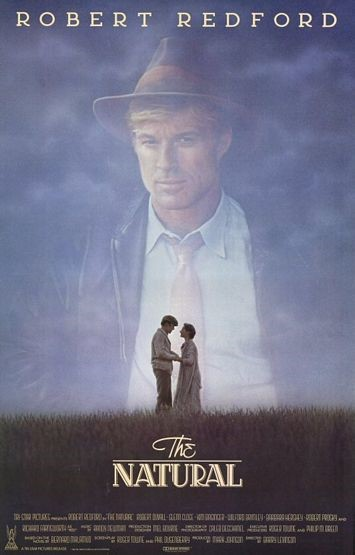
실패에 대한 두려움 때문에 10년을 기다린 것에 대한 후회도 있겠지만, 20년을 기다리지 않고 뒤늦게라도 실행에 옮길 수 있었다면, 그것만이라도 진정 행복한 일이 아니겠는가?
소설가 김연수는 ‘마라톤을 완주하는 방법’이란 글에서 끈기있는 작은 실행의 힘을 잘 보여주고 있다. 이 글을 통해 길고 긴 인생이라는 마라톤을 끝까지 완주하기 위한 마음의 자세와 작은 실행력의 힘에 대하여 깊게 생각해보기 바라며 소개해 본다.
[ 마라톤을 완주하는 방법 – 김연수 ]
먼저 1천 미터를 달립니다.
힘들지 않다면, 한 번 더 1천 미터를 달려보세요
이제 그렇게 41번만 더 달리면 됩니다.
시간이 오래 걸리긴 하지만, 그렇다고 아예 할 수 없는 일은 아닙니다.
인생도 그와 마찬가지입니다.
에베레스트 등정도 내딛는 첫 발자국이 있어야 합니다.
한 번에 하나씩, 작은 목표를 이뤄가다 보면 언젠가 큰 꿈도 이룰 수 있습니다.
가수가 되겠다면, 지금 당장 노래를 부르세요.
소설가를 꿈꾼다면, 볼펜이라도 하나 집어 드세요.
시간이 오래 걸리긴 하겠지만, 그렇다고 그게 불가능한 일을 뜻하는 건 아니니까.
앗, 그런데 뭔가 빠뜨렸군요.
그건 바로 현실이라는 것.
우리가 디디고 선 이 세계, 중력의 법칙, 되돌릴 수 없는 시간의 진행.
예컨대 사과는 다시 하늘로 올라갈 수 없다거나…
예컨대 계란으로 바위를 깨뜨릴 수는 없다거나…
그와 마찬가지로
너는 장애인이니까,
좋은 대학을 안 나왔으니까,
가난한 집에서 태어났으니까,
뚱뚱하고 못 생겼으니까,
원래부터 안 되는 일이라고 말하는 것,
아무리 원하고 노력하고 애를 써도 이 세상에는 할 수 없는 일이 있다고 말하는 것
그런 게 바로 현실입니다.
현실 앞에서 우리 꿈은 보잘 것 없습니다.
실패한 자들을 위해서, 마라톤을 완주하는 방법을 다시 소개하겠습니다.
1천 미터씩 35번쯤 달리면, 누구나 벽을 만납니다.
처음 나간 대회에서 저도 그 벽을 만났습니다.
온 우주가 저 하나 완주하는 걸 막기 위해서 밀어대는 느낌이더군요.
야속했어요.
저 하나 완주하는 걸 막기 위해서, 온 우주씩이나 나서다니…
포기할 수 밖에요.
그 다음 몇 달 동안,
다른 선수들은 어떻게 그 벽을 통과하는지 살펴봤습니다.
아무리 봐도 방법은 단 하나뿐이더군요.
그냥 뚫고 지나가는 것.
그게 제일 현실적인 해결책입니다.
지나간 뒤에야 저는 애당초 그런 벽이 없다는 걸 알게 됐으니까요.
그러니 멈추지 마세요.
계속 달리세요.
벽을 만나면, 뚫고 지나가세요.

————————
Do not begin a new endeavor by fearing that mistakes might come first. Anxiety that one may fail has been the very culprit that has broken the will to try something. As such, work that could have begun long ago may, with age, become even more daunting to the point one no longer dares to attempt it.
In my case, I had already harbored the desire to quit my job and pursue a doctoral program more than a decade earlier, but fear of financial insecurity prevented me from daring to start. However, in 2017, even though it was more than ten years late, I began the work I wanted to do, and that in itself was fortunate. If I had not done even that and simply watched time pass once again, I might have lived with lifelong regret.
Most people think “I can do it,” yet instead of seeking what they can do, they only pile up excuses for what they cannot do. Thus, simply knowing where one wants to go in one’s head is fundamentally different from moving one’s feet in that direction. There is an American proverb: “Better Late Than Never.” In other words, it is better to do something late than never to do it at all.
In the movie The Natural starring Robert Redford, which I watched during college, the protagonist—who, after an unfortunate accident, joins a U.S. minor league baseball team at the late age of thirty-five—laments that it is hard due to age. The old coach responds, “Better Late Than Never.” The fact that I still remember that line thirty years later tells me how deeply it impressed me.
There may be regret for waiting ten years due to fear of failure, but if one did not wait twenty years and instead began late yet still acted, is that not true happiness in itself?
Korean novelist Kim Yeon-su vividly shows the strength of persistent small execution in his writing “How to Finish a Marathon.” Through this piece, I introduce it in the hope that one contemplates deeply the mindset and small executional power required to finish the long marathon called life to the end.
[How to Finish a Marathon – Kim Yeon-su]
First run one thousand meters.
If it is not difficult, try running one thousand meters again.
Now just repeat that forty-one more times.
It takes a long time, but that does not mean it is impossible.
Life is the same.
To climb Everest, there must first be a step forward.
If one achieves small goals one at a time, one day even great dreams can be achieved.
If you want to be a singer, sing right now.
If you dream of becoming a novelist, pick up a pen.
It may take a long time, but that does not mean it is impossible.
Ah, but I forgot something.
That is reality.
This world under our feet, the law of gravity, the irreversible flow of time.
For example, an apple cannot float back into the sky…
For example, an egg cannot break a rock…
Likewise,
because you are disabled,
because you did not attend a prestigious university,
because you were born into a poor family,
because you are fat and unattractive,
saying from the beginning that something is impossible,
asserting that no matter the desire, effort, or struggle, there are things in this world that cannot be done—
that is reality.
In front of reality, our dreams are insignificant.
For those who failed, let me reintroduce the method of finishing a marathon.
After about thirty-five one-thousand-meter runs, anyone encounters a wall.
In my first race, I met that wall.
It felt as though the whole universe was pushing against me to stop me from finishing.
It felt cruel.
For the entire universe to oppose one person trying to finish…
I had to give up.
For the next few months,
I observed how other runners passed through that wall.
No matter how I watched, there was only one method.
Just break through it.
That is the most realistic solution.
Only after passing did I realize that there had never been a wall at all.
So do not stop.
Keep running.
When you meet the wall, break through it.