임진왜란 때 조선을 왜군의 침입으로부터 지킨 충무공 이순신 장군을 모르는 사람은 우리나라에 없을 것이다. 열악한 환경에서 왜군과 싸워 23전 23승이라는 전사에 길이 남을 전승의 기록을 남기며 조선을 지켰다.
그러나 이 정도야 다른 누구도 할 수도 있지 않았을까 싶기도 하겠지만, 중요한 것은 열악한 환경에서 도망가지 않고 용기를 내어 거둔 값진 승리였기 때문에 이순신 장군이 더욱 위대한 것이다. 하지만 이순신 장군의 유명한 시를 들어 보면, 실제로 그가 얼마나 두려움에 떨고 고민하였는지를 알 수가 있다.
한산섬 달 밝은 밤에 수루에 혼자 앉아
큰 칼 옆에 차고 깊은 시름하는 적에
어디서 일성호가는 남의 애를 끊나니
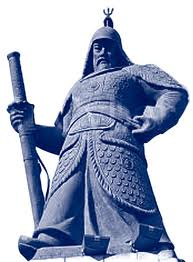
이 시를 통해 이순신 장군이 모든 사람들이 잠자고 있는 밤에도 잠을 이루지 못하고 수루에 올라 깊은 시름을 하며 애간장을 삭이고 있음을 우리는 알 수 있다.
턱없이 부족한 군수품과 인력으로 전쟁에 패하여 많은 병사들을 잃고 왜군에게 조선 땅을 밟게 할지도 모르는 두려움은 그를 신경쇠약에 걸릴 정도로 스스로를 몰아붙였고, 결국은 조선의 왕이었던 선조와 그를 시기하는 탁상머리 문무백관들의 명령을 어기더라도 남과 다른 방법으로 승리를 할 수 있는 전략을 만들어 낼 수밖에 없었던 것이다.
이순신 장군은 상급자와 타협하지 않고 나라와 백성을 위해 오로지 자기다움만으로 승부를 하여 승리를 하였다.
이순신 장군의 23전 중 그의 진정한 용기를 단적으로 보여주는 해전이 있다. 우리나라 최고의 흥행영화로 많은 사람들에게 잘 알려져 있는 바로 명량 대첩이다. 당시 조정의 모략으로 이순신 장군이 삼도수군통제사(三道水軍統制使)에서 물러나고 병졸로서 백의종군(白衣從軍)을 하게 되자, 원균 장군이 왜군과 대전했으나 대패하였다.
그러자 조정은 하는 수 없이 다시 이순신 장군을 통제사로 복귀시켰지만, 그에게 남은 건 패전 후 남은 12척의 배와 2,400여명의 병사들뿐이었다. 반면 적군에게는 330척의 배와 수만 명의 병사들이 있었으니, 이런 상황에서 그 누가 있어 어찌 싸워 이길 수 있겠는가? 보통의 사람이라면 도망가는 것도 상책이라 하며 줄행랑을 치지 않았을까 싶다.
그러나 당시 이순신 장군은 이런 상황을 우려하는 왕을 오히려 위로하며 “신에게는 아직 열두척의 전함이 남아있습니다.”라고 장계를 올렸다고 한다. 그리고 병사들에게는 그 유명한 “필사즉생 필생즉사(必死則生, 必生則死), 죽고자 하면 살 것이오, 살고자 하면 죽을 것이다”라는 말로 비장한 각오를 다진 결과, 해남의 어란포(於蘭浦)와 명량에서 적군을 대파하였는데, 이때 조선군사는 단 11명만 전사하였고 전함의 피해도 별로 없었다고 한다.
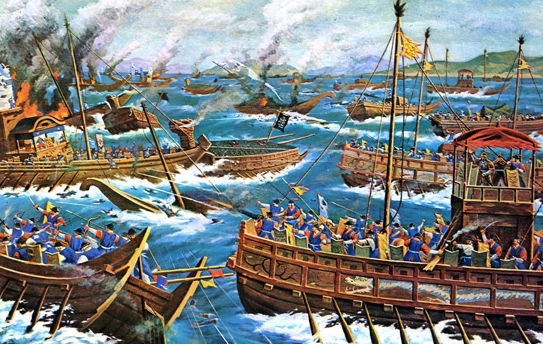
이 얼마나 용기 있는 행동인가? 만약 회사에서 제대로 갖추어지지도 않은 인프라와 인력으로 무조건 달성하기 힘든 업무를 맡긴다면 어떻겠는가? 회사를 비난하고 상사를 욕하면서, 도대체 왜 내게만 이러는지 모르겠다며 신세 한탄만 하다가, 회사를 도망치듯 떠나지 않겠는가?
반대로 만약 회사에서 적당히 일하고 좋은 복지 혜택과 월급에 만족하며 일하고 싶다면 어떻겠는가? 아마도 똑 같은 조건이면 좀 더 편한 곳을 찾고, 편하지 않고 일이 힘들 것 같다면 더욱 좋은 급여의 회사를 찾아 가는 것이 당연한 일일지도 모르겠다. 하지만 이는 나의 미래와 꿈, 나 자신의 성장과 발전, 도전과 변화의 기회라는 점에서 생각해보면 달라질 수도 있다.
———–
There is likely no one in Korea who does not know Admiral Yi Sun-sin, the hero who defended Joseon against the Japanese invasions during the Imjin War. Despite poor conditions, he fought and defeated the Japanese forces in 23 battles, securing an undefeated record of 23 wins, an achievement that will forever remain in history.
One might think that someone else could have done the same, but what makes Admiral Yi Sun-sin truly great is the courageous victories he achieved in the face of such dire circumstances, without fleeing. His greatness lies in the courage he displayed. However, if we look at his famous poem, we can see just how much fear and anguish he truly faced.
On a bright moonlit night at Hansando Island, sitting alone in the command post,
With a great sword by my side, I brood over my deep worries.
Where does the distant sound of a fisherman’s song come from, breaking my heart?
Through this poem, we can sense that even in the dead of night, while everyone else slept, Admiral Yi was unable to sleep. He climbed to the command post and was consumed by deep worries and inner turmoil.
The fear of losing battles, the shortage of supplies and manpower, and the possibility of allowing the Japanese to set foot on Joseon soil drove him to the point of a nervous breakdown. In the end, despite orders from King Seonjo and the envious courtiers, he developed his own strategy that led to victory.
Admiral Yi did not compromise with his superiors; he achieved victory solely through his authenticity, fighting for the nation and its people.
Among Admiral Yi’s 23 battles, the one that most clearly demonstrates his courage is the Battle of Myeongnyang, which is well-known thanks to one of Korea’s most successful films. After being stripped of his position as Naval Commander of the Three Provinces (Samdo Sugun Tongjesa) due to court intrigue, Admiral Yi was demoted to a common soldier and forced to serve in a white uniform (baekui jonggun). General Won Gyun, who replaced him, fought against the Japanese but suffered a crushing defeat.
The court had no choice but to reinstate Admiral Yi, but by then, only 12 ships and around 2,400 soldiers remained. In contrast, the enemy had 330 ships and tens of thousands of soldiers. In such a situation, who could expect to win? Most people would think that fleeing was the best option.
However, Admiral Yi, instead of succumbing to despair, reassured the anxious king by stating, “I still have 12 ships left.” To his soldiers, he declared the famous words, “If you wish to live, you will die. But if you prepare to die, you will live,” rallying them with a determined spirit. As a result, he defeated the enemy forces at Eorangpo and Myeongnyang, losing only 11 soldiers, with minimal damage to his ships.
How courageous was that? Imagine being given an impossible task at work with inadequate resources and manpower. Would you complain, curse your boss, and lament your fate, eventually leaving the company in frustration?
On the other hand, what if you were simply working comfortably, enjoying good benefits and a decent salary? You might look for an easier job with similar conditions or a higher-paying position if the work seemed too tough. But when you think about your future, your dreams, your growth and development, and the opportunities for challenge and change, your perspective might shift.