

2010년 3월 나는 갑작스런 중국발령으로 세라젬H&B 중국법인을 세우고, 중국에 맨 땅에 헤딩하듯 아무 것도 없는 곳에서 시작하여, 3년 후엔 흑자가 나는 꽤 괜찮은 회사를 만들었다.
나는 한번에 필요한 조직과 인원을 갖추지 않고, 직접 개발, 구매, 재무, 마케팅, 영업 등 전반적인 일을 열정적으로 직접 뛰면서, 내가 혼자서 감당할 수 없을 때마다 한 명 한 명씩 사람들을 채용해 왔다.
그러다 보니 초창기에는 밤도 없었고 휴일도 없었다. 오직 새로 만든 이 회사가 바르게 자리잡을 수 있도록 하는 것이 내 인생의 전부였다. 그렇다고 남들처럼 해외근무 수당 같은 혜택도 없었고, 급여가 한국에 있을 때보다 올라 간 것도 없었다. 오히려 중국에서 세금이 더 올라서 금전적으로는 더 손실이었다. 하지만 대기업이 아닌 중소기업의 작은 자본금을 마치 내 돈처럼 소중히 사용하며, 마른 수건도 한 번 더 쥐어짜듯 경비를 아끼며 열정적으로 일해왔다.
그래서 동사장이 되기 전까지 나는 전용 승용차도 없었다. 회사와 가까운 아파트에서 한국인 팀장들과 모여 살고 있었으니 함께 출퇴근하면 되었고, 넓은 중국 땅에서 혼자 차를 몰고 출장 갈 일도 없다는 생각에, 경비를 조금이라도 줄이자는 측면에서 승용차 하나를 직원들과 함께 공용으로 이용하였기 때문이다.
창업 후 흑자가 나기까지 지난 3년은 직장생활 중 그 어느 때보다 힘든 기간이었다. 말도 안 통하는 중국 땅에서 전혀 아무 것도 모르는 상황에서, 앞이 깜깜하다 못해 새하얗게 보일 정도였으니 말이다. 당시 50세가 다된 나이에 왜 이 중국 땅에서 이런 고생을 하고 있을까 하며, 모두 다 때려 치우고 다시 한국으로 돌아가고 싶었던 순간들이 잊을 만하면 찾아왔었고, 술 마시고 취해 대성통곡을 하며 울기도 여러 번 했었다.
하지만 꿈은 나를 계속 이곳에 머물라 하였고, 열정은 나보고 중국에서 본 때를 보여주라고 계속 재촉하였다. 그러다 보니 나는 어느 새 월급을 받는 종업원이 아닌 주인의식을 가진 고용주의 마음으로 경영을 하고 있는 나 자신을 발견하게 되었다.

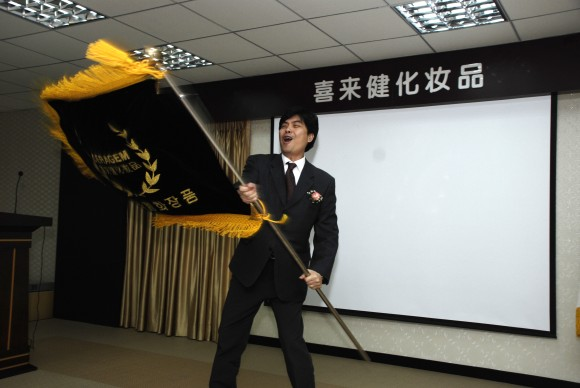
우리는 주인의식이란 말을 많이 하기도 하고 많이 듣기도 한다. 주인이 아닌데 주인처럼 일하라고 하니 월급쟁이에게 있어서 그 괴리감은 참으로 크다. 직원들이 주인처럼 일했다고 주인처럼 돈을 많이 버는 것도 아닌데, 자꾸 주인처럼 일하라고 한다고 그게 되는 일일까?
앞서 말했듯이 임원시절 중국에서 차가 없었던 나는 직원들과 함께 검은 색 소나타 승용차 한 대를 사용했었다. 그런데 이 차는 항상 겉도 더럽지만 안에도 먼지가 수북했다. 특히 외관이 검은 색이라 더욱 더럽게 티가 나 보였다. 누군가 하겠지 하며 아무도 청소를 하지 않기 때문이었다. 참다 못한 내가 가끔 먼지털이로 닦아주기도 하였지만, 매번 그럴 때 마다 임원이 되어서 이런 걸 해야 하나 하는 회한이 들면서, 그나마도 점점 더 하지 않게 되었다.
만약 그 차가 나만 타는 차였으면 아마 나도 수시로 닦아주었을지도 모른다. 여러 명이 이용하는 그 차에는 실질적인 단 한 명의 주인이 없었던 것이다. 회사에 다니는 직원들 대부분이 주인의식이 없다면, 회사도 그 차처럼 누군가 하겠지 하며 방치되어 버릴지도 모르겠다. 주인의식이란 이런 것이다. 주인의식은 남이 시켜서 생기는 것이 아니라, 내가 함께 타는 차를 스스로 아끼고 청소하듯이 자발적으로 생겨야 하는 것이다.
회사에는 분명 주인이 있다. 그리고 주인에게는 주인의식이 당연히 있으나, 대부분의 직원들은 그렇지가 못한 게 현실이다. 그러니 주인의 눈에는 직원들이 영 마땅치가 않아서, 자꾸만 잔소리를 하게 될 수밖에 없는 것이 인지상정이다.
그런데 잔소리할 때만 반짝이고 계속되지 않는 것은 주인의식이란 것이 남이 시켜서 억지로 되는 일도 아니기 때문이다. 그러니 앞으로 이 글을 읽은 고용주께서는 입만 아프고 마음만 상하는 주인의식이란 단어를 이제 더 이상 얘기하지 않는 것이 좋겠다.
대신 직원들이 스스로 주인의식을 가질 수 있는 회사의 분위기를 만들어 줘야 한다. 직접적인 잔소리가 아니라 자발적으로 우러나는 주인의식을 심어주어야 한다. 그리고 그 해답은 바로 열정적 조직 분위기를 만드는 것이다. 주인의식은 열정을 먹고 자란다. 그러므로 열정적인 직원은 자동적으로 주인의식을 가지게 되는 것이다.
———-
In March 2010, I was abruptly assigned to establish Ceragem H&B’s Chinese subsidiary. Starting from scratch in a foreign land, I built a profitable company within three years.
I didn’t immediately hire a full team. Instead, I personally handled all aspects—development, procurement, finance, marketing, and sales. I hired people one by one, only when I could no longer manage alone.
During those early days, there were no nights or weekends. My entire life revolved around ensuring this fledgling company found its footing. Unlike others in similar positions, I didn’t receive any expatriate allowances or salary increases. In fact, I faced higher taxes in China, leading to greater financial losses. Yet, I worked passionately, treating the small capital of this mid-sized company as if it were my own, squeezing every penny and sparing no effort.
Until I became a co-CEO, I didn’t even have a company car. I lived in an apartment near the office with other Korean team leaders, and we commuted together. Considering the vastness of China, I figured I wouldn’t need a personal vehicle for business trips. We shared a single black Sonata, reducing expenses wherever possible.
The three years leading up to profitability were the toughest of my career. In a foreign land, unable to speak the language, I often felt utterly lost. Many times, I questioned why I was enduring such hardship in China at almost 50 years old. There were moments when I wanted to give up and return to Korea, often drowning my sorrows in alcohol and crying bitterly.
Yet, my dreams kept me there, and my passion urged me to persevere and prove myself in China. Over time, I realized I was managing the company not just as an employee but with the mindset of an owner.
We frequently hear about “ownership mentality.” But asking employees to work as if they own the company can feel like an enormous gap for them, especially since working like an owner doesn’t mean they’ll earn like one. Can employees truly adopt this mentality just because they’re told to?
During my time in China, as an executive without a personal car, I shared a black Sonata with the staff. This car was always dirty, both inside and out. Its black exterior only accentuated the grime, and no one ever took the initiative to clean it. I would occasionally dust it off, but each time I felt a pang of regret, questioning why I, as an executive, had to do this. Eventually, I stopped altogether.
Had the car been exclusively mine, I might have taken better care of it. But it was a shared vehicle, with no single person feeling responsible for it. Similarly, in a company, if most employees lack an ownership mentality, the company itself might be neglected, much like that car.
Ownership mentality isn’t something instilled by orders. It’s like caring for a shared car out of personal initiative. It must arise spontaneously from within.
Every company has an owner, and naturally, the owner has an ownership mentality. However, most employees don’t. As a result, owners may constantly find fault with their staff, leading to frequent nagging.
But nagging yields only temporary results, as ownership mentality cannot be forced. For employers reading this, it’s time to stop talking about ownership mentality—it’s a futile and frustrating exercise.
Instead, create an environment where employees naturally develop ownership mentality. It’s not about direct orders but fostering a culture where this mentality grows organically. The key is building a passionate organizational atmosphere. Ownership mentality thrives on passion, and passionate employees naturally adopt it.